A tune-up is a crucial aspect of vehicle maintenance that ensures your car operates efficiently and reliably. It typically involves a series of checks and adjustments designed to keep your engine running smoothly. Over time, various components of your vehicle can wear down or become less effective, leading to decreased performance, reduced fuel efficiency, and even potential breakdowns. Understanding what a tune-up entails and its importance can help you maintain your vehicle in optimal condition.The significance of regular tune-ups cannot be overstated.
They not only enhance the performance of your vehicle but also extend its lifespan. During a tune-up, mechanics often replace essential parts such as spark plugs, air filters, and fuel filters, which are vital for the engine's operation. Additionally, they may check the ignition system, fuel system, and other critical components to ensure everything is functioning correctly. This proactive approach can save you from costly repairs down the line and improve your car's overall efficiency.So, when should you schedule a tune-up? The answer largely depends on your vehicle's make and model, as well as your driving habits.
While older vehicles may require more frequent tune-ups—typically every 10,000 to 12,000 miles—newer models equipped with advanced technology can often go longer between services, sometimes up to 100,000 miles. However, it’s essential to consult your owner’s manual or a trusted mechanic to determine the best schedule for your specific vehicle. By staying informed about when to get a tune-up, you can ensure that your car remains in peak condition and ready for the road ahead.
What is a Tune-Up?
A tune-up is a comprehensive maintenance procedure designed to ensure that your vehicle operates efficiently and reliably. It typically involves a series of checks and replacements of key components that contribute to the overall performance of the engine and other systems.Understanding what a tune-up entails can help you maintain your vehicle in optimal condition.At its core, a tune-up focuses on several critical components:
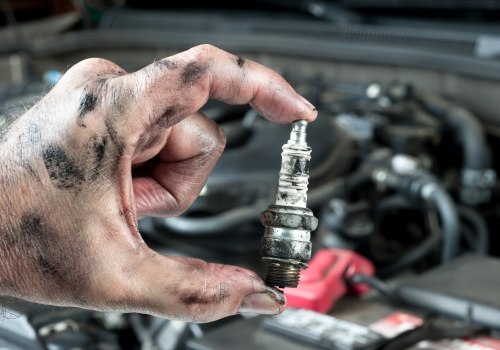
- Spark Plugs: These are essential for igniting the air-fuel mixture in the engine's cylinders. Over time, spark plugs can wear out, leading to misfires, reduced fuel efficiency, and increased emissions. Replacing them during a tune-up is crucial for maintaining engine performance.
- Air Filters: The air filter prevents dirt and debris from entering the engine. A clogged air filter can restrict airflow, negatively impacting engine performance and fuel economy.
Regular replacement is recommended to ensure optimal air intake.
- Fuel Filters: Similar to air filters, fuel filters keep contaminants from entering the fuel system. A dirty fuel filter can lead to poor engine performance and starting issues. Replacing it during a tune-up helps maintain proper fuel flow.
- Oil and Oil Filter: Engine oil lubricates moving parts and helps dissipate heat. Over time, oil degrades and becomes less effective.
Changing the oil and oil filter during a tune-up is vital for protecting your engine from wear and tear.
- Belt and Hose Inspection: Belts and hoses are critical for various engine functions, including cooling and power steering. During a tune-up, mechanics will inspect these components for signs of wear or damage, ensuring they are in good condition.
- Fluid Levels: Various fluids, including coolant, brake fluid, and transmission fluid, play essential roles in vehicle operation. A tune-up often includes checking these levels and topping them off as necessary.
- Basic Tune-Up: This typically includes replacing spark plugs, air filters, and oil changes. It's suitable for vehicles that are regularly maintained but may need some attention.
- Comprehensive Tune-Up: This more extensive service includes all basic components plus additional checks on belts, hoses, fuel filters, and fluid levels.
It's ideal for older vehicles or those that haven't been serviced in a while.
- Performance Tune-Up: Designed for high-performance vehicles or those used in competitive settings, this type of tune-up focuses on optimizing engine performance through advanced adjustments and component upgrades.
Why Mileage Matters for Tune-Ups
Understanding the relationship between mileage and the need for a tune-up is crucial for maintaining your vehicle's performance and longevity. As vehicles accumulate miles, various components experience wear and tear, which can affect overall functionality. Therefore, knowing when to schedule a tune-up based on mileage can save you from costly repairs down the road.Generally, older vehicles, particularly those with traditional ignition systems, should undergo a tune-up every 10,000 to 12,000 miles.This frequency ensures that essential components such as spark plugs and filters are replaced before they lead to more significant issues. In contrast, newer models equipped with advanced fuel injection and electronic ignition systems can often go longer between tune-ups, typically ranging from 25,000 to 100,000 miles. However, this does not mean that these vehicles are exempt from regular maintenance; it simply indicates that their systems are designed to be more resilient.It’s important to note that mileage is not the only factor influencing the need for a tune-up. Driving conditions play a significant role as well.
For instance, if you frequently drive in stop-and-go traffic or on rough terrain, your vehicle may require more frequent servicing than one that primarily operates on highways. Additionally, environmental factors such as extreme temperatures can also impact engine performance and necessitate earlier maintenance.Another aspect to consider is the type of driving you do. If your driving habits include short trips where the engine doesn’t reach optimal operating temperature, this can lead to increased carbon buildup and other issues that may require a tune-up sooner than expected. Therefore, it’s essential to monitor not just the mileage but also how you use your vehicle.In summary, while mileage is a critical indicator of when to schedule a tune-up, it should be considered alongside other factors such as driving conditions and habits.
Regularly consulting your vehicle’s owner manual for specific recommendations can help ensure that you maintain optimal performance and avoid unexpected breakdowns.
Recommended Mileage for Different Types of Vehicles
Understanding the appropriate mileage for a tune-up is crucial for maintaining your vehicle's performance and longevity. Different types of vehicles have varying requirements based on their age, technology, and design. Below, we break down the recommended mileage for tune-ups based on whether you own an older or newer model.Older Vehicles
For older vehicles, particularly those manufactured before the mid-1990s, regular maintenance is essential. These cars often rely on simpler mechanical systems that require more frequent attention.It is generally advisable to schedule a tune-up every 10,000 to 12,000 miles or at least once a year. This frequency helps ensure that components such as spark plugs, ignition systems, and fuel filters are functioning optimally.
- Spark Plugs: Replace every 10,000 to 12,000 miles.
- Fuel Filters: Check and replace as needed, typically every 10,000 miles.
- Air Filters: Inspect and replace every 15,000 miles.
Newer Vehicles
In contrast, newer vehicles equipped with advanced fuel injection systems and electronic ignition technology can go much longer between tune-ups. Most modern cars only require a major tune-up every 25,000 to 100,000 miles. However, it’s important to consult your owner’s manual for specific recommendations tailored to your vehicle's make and model.- Spark Plugs: Often last up to 100,000 miles in newer models.
- Oil Changes: Should be performed every 5,000 to 7,500 miles.
- Timing Belts: Typically need replacement around 60,000 to 100,000 miles.
Signs such as decreased fuel efficiency, rough idling, or difficulty starting the engine may indicate that it’s time for maintenance. Regularly checking your vehicle’s maintenance schedule will ensure that you stay ahead of any potential issues and keep your car running smoothly.
Signs Your Vehicle Needs a Tune-Up
Recognizing the signs that your vehicle needs a tune-up is crucial for maintaining its performance and longevity. Ignoring these indicators can lead to more significant issues and costly repairs down the line. Here are some common symptoms that suggest it might be time for a tune-up:- Decreased Fuel Efficiency: If you notice that your vehicle is consuming more fuel than usual, it could be a sign that the engine is not running optimally.
A tune-up can help restore fuel efficiency by ensuring that components like spark plugs and air filters are in good condition.
- Rough Idling: When your car idles roughly or vibrates excessively while stationary, it may indicate that the engine is misfiring or that there are issues with the ignition system. A proper tune-up can address these problems.
- Difficulty Starting: If your vehicle struggles to start or requires multiple attempts, it may be time for a tune-up. This could be due to worn-out spark plugs or other ignition components that need attention.
- Engine Warning Light: The check engine light can illuminate for various reasons, but if it stays on consistently, it’s a clear signal that your vehicle needs professional evaluation. A tune-up can often resolve the underlying issues.
- Poor Acceleration: If you experience sluggish acceleration or a lack of power when you press the gas pedal, this could indicate problems with the fuel system or ignition components.
A timely tune-up can help restore your vehicle's responsiveness.
- Noisy Engine: Unusual noises from the engine, such as knocking or pinging sounds, can signal that something is amiss. These sounds may be related to timing issues or fuel mixture problems that a tune-up can rectify.
The Benefits of Regular Tune-Ups
Regular tune-ups are essential for maintaining the health and performance of your vehicle.By adhering to a consistent schedule of tune-ups, you can unlock a multitude of benefits that not only enhance your driving experience but also contribute to the longevity of your car.
Improved Fuel Efficiency
One of the most significant advantages of regular tune-ups is the improvement in fuel efficiency. Over time, components such as spark plugs, air filters, and fuel injectors can become dirty or worn out, leading to inefficient combustion. A well-tuned engine operates more smoothly and burns fuel more effectively, which can result in noticeable savings at the pump. Studies have shown that a properly maintained vehicle can achieve up to 30% better fuel economy compared to one that is neglected.
Enhanced Performance
Tune-ups play a crucial role in ensuring that your vehicle performs at its best.
Regular maintenance helps identify and rectify issues before they escalate into major problems. For instance, replacing worn spark plugs can lead to smoother acceleration and improved throttle response. Additionally, a well-maintained engine runs cooler and quieter, providing a more enjoyable driving experience.
Extended Vehicle Lifespan
Investing in regular tune-ups can significantly extend the lifespan of your vehicle. Just like any other machine, cars require routine care to function optimally.
By addressing minor issues during a tune-up, you can prevent them from developing into serious mechanical failures that could lead to costly repairs or even total breakdowns. A vehicle that receives consistent maintenance is likely to last longer and perform better over its lifetime.
Increased Resale Value
If you plan to sell or trade in your vehicle in the future, maintaining a regular tune-up schedule can enhance its resale value. Prospective buyers are often willing to pay more for a car that has been well cared for and has documented maintenance history. A vehicle with a clean bill of health is more attractive on the market, making it easier to sell when the time comes.
Peace of Mind
Finally, regular tune-ups provide peace of mind for drivers.
Knowing that your vehicle is in good condition allows you to drive with confidence, whether you're commuting to work or embarking on a long road trip. Regular maintenance reduces the likelihood of unexpected breakdowns and gives you assurance that your car is safe and reliable.In summary, the benefits of regular tune-ups are manifold. From improved fuel efficiency and enhanced performance to extended vehicle lifespan and increased resale value, keeping up with routine maintenance is an investment in your vehicle's future.
How to Prepare for a Tune-Up Appointment
Preparing for a tune-up appointment is essential to ensure that your vehicle receives the best possible care. A little preparation can go a long way in making the process smoother and more efficient.Here are some tips to help you get ready for your upcoming tune-up.
Gather Relevant Information
Before heading to the mechanic, it’s helpful to gather any relevant information about your vehicle. This includes:- Owner's Manual: Review your owner's manual for the recommended maintenance schedule and specific tune-up intervals for your make and model.
- Previous Service Records: Bring along any records of past services or repairs. This can help the mechanic understand your vehicle's history and identify any recurring issues.
- Mileage: Note the current mileage on your vehicle, as this will help determine if a tune-up is necessary based on the manufacturer's recommendations.
Questions to Ask Your Mechanic
When you arrive at the shop, don’t hesitate to ask questions. Here are some important ones to consider:- What specific services will be performed during the tune-up? Understanding what is included can help you gauge the value of the service.
- Are there any additional repairs needed? Ask if there are any other issues that should be addressed during the appointment.
- How long will the tune-up take? Knowing the estimated time can help you plan your day accordingly.
- What parts will be replaced? Inquire about which components, such as spark plugs or filters, will be replaced during the service.
What to Expect During a Tune-Up
A typical tune-up involves several key procedures aimed at optimizing your vehicle's performance.Here’s what you can expect:
- Inspection of Engine Components: The mechanic will check various engine components, including spark plugs, ignition systems, and fuel injectors.
- Fluid Checks and Changes: Expect an evaluation of essential fluids such as oil, coolant, and transmission fluid, with changes made as necessary.
- Diagnostic Tests: Many shops use diagnostic tools to identify any underlying issues that may not be immediately visible.
- Tuning Adjustments: Depending on your vehicle's needs, adjustments may be made to improve fuel efficiency and overall performance.
Cost Considerations for Tune-Ups
When planning for a tune-up, understanding the associated costs is crucial for effective vehicle maintenance budgeting. The price of a tune-up can vary significantly based on several factors, which we will explore in detail.Average Cost of a Tune-Up
On average, a standard tune-up can range from $50 to $150. However, this price can fluctuate based on the make and model of your vehicle, the type of services included, and your geographical location.For instance, luxury or performance vehicles may incur higher costs due to specialized parts and labor.
Factors Influencing Tune-Up Prices
- Type of Vehicle: Different vehicles have varying requirements. For example, older cars may need more frequent adjustments and part replacements compared to newer models equipped with advanced technology.
- Service Provider: Dealerships often charge more for tune-ups than independent mechanics due to their specialized knowledge and brand-specific expertise.
- Parts and Labor: The cost of replacement parts, such as spark plugs or air filters, can add to the overall expense. Labor rates also vary by location and shop reputation.
- Additional Services: Some tune-ups may include extra services like fluid changes or engine diagnostics, which can increase the total cost.
Budgeting for Vehicle Maintenance
To effectively budget for a tune-up, consider setting aside funds regularly. A good rule of thumb is to allocate around $100 to $200 annually for routine maintenance, including tune-ups.This proactive approach not only helps in managing costs but also ensures that your vehicle remains in optimal condition.In conclusion, while the cost of a tune-up can vary widely based on several factors, being informed about these elements allows you to plan your vehicle maintenance budget more effectively. Regular tune-ups are essential for prolonging the life of your vehicle and ensuring its reliability on the road.
Frequently Asked Questions About Tune-Ups
When it comes to vehicle maintenance, tune-ups often spark a variety of questions and misconceptions. Below are some frequently asked questions that can help clarify what a tune-up entails and when it should be performed.What exactly is a tune-up?
A tune-up is a comprehensive maintenance service designed to ensure that your vehicle runs efficiently. It typically includes replacing spark plugs, checking the ignition system, inspecting the fuel system, and adjusting the engine timing.The goal is to enhance performance, improve fuel efficiency, and extend the lifespan of your vehicle.
How often should I get a tune-up?
The frequency of tune-ups can vary significantly based on the make and model of your vehicle. Generally, older cars may require a tune-up every 10,000 to 12,000 miles, while newer models equipped with advanced technology can go between 25,000 to 100,000 miles before needing one. Always refer to your owner’s manual for specific recommendations.Are tune-ups still necessary for modern vehicles?
Yes, even modern vehicles benefit from regular tune-ups. While they may not require as frequent servicing as older models, components like spark plugs and filters still need attention.Neglecting these can lead to decreased performance and increased emissions.
What are some common myths about tune-ups?
- Myth: Tune-ups are only for older cars.
- Fact: All vehicles benefit from periodic maintenance regardless of age.
- Myth: A check engine light means I need a tune-up.
- Fact: While a check engine light can indicate issues that may be resolved during a tune-up, it could also signal other problems that require immediate attention.
- Myth: Tune-ups are too expensive and not worth the cost.
- Fact: Regular tune-ups can save you money in the long run by preventing more serious issues and improving fuel efficiency.
Conclusion: Keeping Your Vehicle in Top Shape with Regular Tune-Ups
In conclusion, understanding the appropriate mileage for a tune-up is essential for maintaining your vehicle's performance and longevity. Regular tune-ups not only enhance your car's efficiency but also prevent costly repairs down the line. As we discussed, the recommended mileage for a tune-up can vary significantly based on the age and type of vehicle you own.For older vehicles, particularly those with traditional ignition systems, a tune-up is generally advisable every 10,000 to 12,000 miles or at least once a year.This frequency ensures that critical components such as spark plugs and filters are in optimal condition, which is vital for engine performance.On the other hand, newer vehicles equipped with advanced fuel injection and electronic ignition systems can often go longer between tune-ups—typically ranging from 25,000 to 100,000 miles. However, it’s crucial to consult your vehicle's owner manual for specific recommendations tailored to your model.Moreover, while many drivers may think of a tune-up as a single event, it encompasses various maintenance tasks that should be performed regularly. These include:
- Changing the oil and oil filter
- Inspecting and replacing air filters
- Checking and replacing spark plugs
- Examining belts and hoses for wear
- Testing battery health
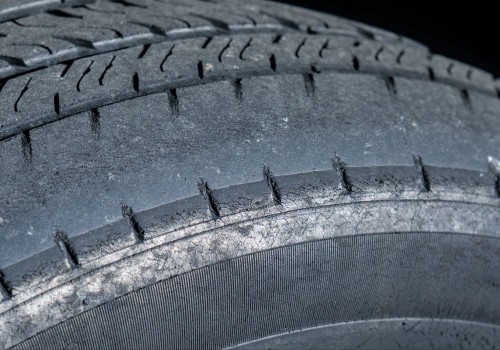
- Ensuring proper tire pressure and tread depth
By staying proactive about maintenance, you can enjoy a smoother ride and extend the life of your car.