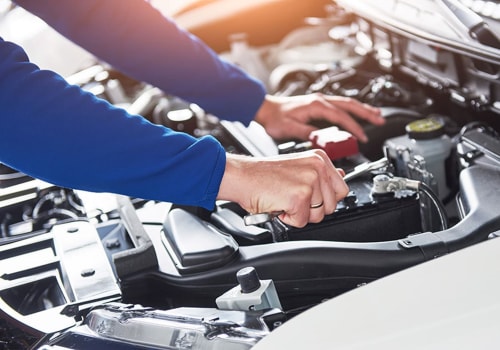
A car tune-up is a comprehensive maintenance procedure designed to ensure that your vehicle operates at its peak performance. This process typically involves a thorough inspection and adjustment of various engine components, including spark plugs, ignition systems, fuel filters, and air filters. While the term "tune-up" may evoke images of vintage cars and mechanics with wrenches, modern vehicles still benefit significantly from this essential service. In fact, regular tune-ups are a cornerstone of effective car repairing, helping to prolong the life of your vehicle and enhance its efficiency.The importance of is a comprehensive maintenance procedure designed to ensure that your vehicle operates at its peak performance. This process typically involves a thorough inspection and adjustment of various engine components, including spark plugs, ignition systems, fuel filters, and air filters. While the term "tune-up" may evoke images of vintage cars and mechanics with wrenches, modern vehicles still benefit significantly from this essential service. In fact, regular tune-ups are a cornerstone of effective car repairing, helping to prolong the life of your vehicle and enhance its efficiency.The importance of tune-ups cannot be overstated.
They serve as a proactive measure to identify and rectify potential issues before they escalate into costly repairs. During a tune-up, mechanics not only replace worn-out parts but also conduct diagnostic tests to assess the overall health of the engine. This attention to detail can lead to improved fuel efficiency, reduced emissions, and a smoother driving experience. Moreover, by adhering to a regular tune-up schedule, drivers can avoid unexpected breakdowns that often occur due to neglected maintenance.Understanding the basics of car maintenance is crucial for any vehicle owner.
Regular tune-ups are just one aspect of a broader maintenance strategy that includes oil changes, tire rotations, and brake inspections. Each of these services plays a vital role in ensuring that your car remains reliable and safe on the road. By prioritizing regular tune-ups as part of your vehicle care routine, you not only enhance your car's performance but also contribute to its longevity, ultimately saving you time and money in the long run.
The Benefits of Regular Tune-Ups
Regular car tune-ups offer a multitude of benefits that extend beyond mere maintenance; they are essential for ensuring your vehicle operates at its peak performance. Understanding these advantages can help car owners appreciate the importance of scheduling tune-ups as part of their regular vehicle care routine.1.Improved Performance
One of the most significant benefits of regular tune-ups is the enhancement of your vehicle's overall performance.
During a tune-up, mechanics inspect and adjust various components, including the ignition system, fuel injectors, and air filters. This meticulous attention to detail ensures that your engine runs smoothly and efficiently. A well-tuned engine responds better to acceleration, providing a more enjoyable driving experience.
2.Enhanced Fuel Efficiency
Another critical advantage of regular tune-ups is improved fuel efficiency. Over time, components such as spark plugs and air filters can become dirty or worn out, leading to inefficient combustion and increased fuel consumption.
By replacing these parts during a tune-up, you can restore optimal fuel flow and combustion efficiency, ultimately saving you money at the gas pump. In fact, studies have shown that a well-maintained vehicle can achieve up to 10% better fuel economy compared to one that is neglected.
3.Extended Vehicle Lifespan
Regular maintenance through tune-ups can significantly extend the lifespan of your vehicle. By addressing minor issues before they escalate into major problems, you can avoid costly repairs and prolong the life of your car. For instance, replacing worn-out spark plugs not only improves performance but also prevents potential engine damage caused by misfiring or incomplete combustion.
4.Increased Safety
Safety is paramount when it comes to driving, and regular tune-ups contribute to a safer driving experience.
During a tune-up, mechanics check critical safety components such as brakes, lights, and steering systems. Ensuring these elements are in good working order reduces the risk of accidents caused by mechanical failures.
5.Peace of Mind
Finally, knowing that your vehicle has been properly maintained provides peace of mind. Regular tune-ups allow you to drive with confidence, knowing that your car is less likely to encounter unexpected breakdowns or issues on the road.In summary, the benefits of regular car tune-ups are numerous and impactful. From improved performance and fuel efficiency to enhanced safety and peace of mind, investing in routine maintenance is crucial for any vehicle owner looking to maintain their car's health and longevity.
Signs Your Car Needs a Tune-Up
Understanding the signs that your vehicle needs a tune-up is essential for maintaining its performance and longevity.Ignoring these indicators can lead to more significant issues down the road, resulting in costly repairs and decreased safety. Here are some common signs that suggest your car may require a tune-up:
- Decreased Fuel Efficiency: If you notice that you're filling up your gas tank more frequently than usual, it could be a sign that your engine is not running efficiently. A tune-up can help identify issues such as worn spark plugs or clogged fuel filters that may be causing excessive fuel consumption.
- Rough Idling: When your car is idling, it should run smoothly without any vibrations or unusual noises. If you experience rough idling or your engine feels like it's shaking, it may indicate that a tune-up is needed to address ignition or fuel delivery problems.
- Engine Warning Light: The check engine light on your dashboard is a crucial indicator of your vehicle's health.
If this light comes on, it’s essential to have your car checked out as soon as possible. A tune-up can often resolve the underlying issues triggering the warning light.
- Difficulty Starting: If your car struggles to start or requires multiple attempts to turn over, it may be time for a tune-up. This could be due to worn-out spark plugs, a weak battery, or other ignition system problems.
- Unusual Noises: Pay attention to any strange sounds coming from your engine, such as knocking, pinging, or backfiring. These noises can indicate serious issues that need immediate attention and are often resolved during a tune-up.
- Excessive Exhaust Emissions: If you notice an increase in exhaust smoke or a change in color (such as blue or black smoke), this could signal an engine problem.
A tune-up can help improve emissions by ensuring that the engine is running cleanly and efficiently.
How Often Should You Get a Tune-Up?
Determining how often to get a tune-up for your vehicle is essential for maintaining its performance and longevity. The frequency of tune-ups can vary significantly based on several factors, including the age of the vehicle, the type of ignition system it uses, and your individual driving habits.General Recommendations
- For older vehicles, particularly those equipped with non-electronic ignition systems, it is advisable to schedule a tune-up every 10,000 to 12,000 miles or at least once a year.
These vehicles often require more frequent maintenance due to their mechanical components being more susceptible to wear and tear.
- Newer cars, which typically feature electronic ignition and fuel injection systems, can extend their tune-up intervals significantly. Depending on the manufacturer’s guidelines, these vehicles may only need a tune-up every 25,000 to 100,000 miles.
Factors Influencing Tune-Up Frequency
While the above recommendations serve as a general guideline, several factors can influence how often you should have your car tuned up:
- Driving Conditions: If you frequently drive in stop-and-go traffic, make short trips, or operate your vehicle in extreme weather conditions (such as very hot or cold temperatures), you may need to have more frequent tune-ups. These conditions can put additional strain on your engine and other components.
- Towing and Heavy Loads: If you regularly tow trailers or carry heavy loads, this can also affect your vehicle's performance. The added stress on the engine may necessitate more frequent maintenance checks.
- Fuel Quality: Using low-quality fuel can lead to deposits building up in the engine, which may require more frequent tune-ups to maintain optimal performance.
Consulting Your Owner's Manual
The best way to determine the appropriate tune-up schedule for your specific vehicle is to consult your owner’s manual.
This document provides manufacturer-recommended intervals tailored to your car’s make and model. Additionally, discussing your driving habits with a trusted mechanic can help you establish a personalized maintenance plan that ensures your vehicle remains in peak condition.In summary, while general guidelines exist for how often to get a tune-up, individual circumstances play a significant role in determining the best schedule for your vehicle. Regular maintenance not only enhances performance but also helps prevent costly repairs down the line.
What Happens During a Tune-Up?
A car tune-up is a comprehensive maintenance procedure designed to ensure that your vehicle operates at peak performance. During a typical tune-up, several critical components are inspected, serviced, or replaced to enhance the overall functionality and longevity of the vehicle.Understanding what happens during a tune-up can help car owners appreciate its significance and encourage them to adhere to regular maintenance schedules.Here’s a breakdown of the typical procedures involved in a car tune-up:
- Inspection of Spark Plugs: Spark plugs are essential for igniting the air-fuel mixture in the engine. During a tune-up, mechanics will check the condition of the spark plugs and replace them if they show signs of wear or fouling. Worn spark plugs can lead to misfires, reduced fuel efficiency, and increased emissions.
- Air Filter Replacement: The air filter prevents dirt and debris from entering the engine. A clogged air filter can restrict airflow, leading to poor engine performance.
Replacing the air filter during a tune-up ensures that your engine receives clean air, which is vital for optimal combustion.
- Fuel Filter Check: Similar to the air filter, the fuel filter keeps contaminants from reaching the engine. A dirty fuel filter can cause fuel delivery issues, resulting in sluggish acceleration and poor fuel economy. Mechanics will inspect and replace the fuel filter as needed.
- Fluid Checks and Changes: Various fluids in your vehicle, including engine oil, coolant, brake fluid, and transmission fluid, are checked during a tune-up. Old or contaminated fluids can lead to overheating or mechanical failure.
Mechanics will top off or replace fluids as necessary to maintain proper vehicle function.
- Battery Inspection: The battery is crucial for starting your vehicle and powering electrical systems. During a tune-up, technicians will check the battery's charge level and inspect for corrosion on terminals. A weak battery can lead to starting issues, especially in extreme weather conditions.
- Belt and Hose Examination: Belts and hoses are vital for various engine functions, including cooling and power steering. Mechanics will inspect these components for signs of wear, cracks, or leaks.
Replacing worn belts and hoses during a tune-up can prevent breakdowns and costly repairs down the line.
DIY vs. Professional Tune-Ups: Which is Right for You?
When it comes to maintaining your vehicle, one of the most significant decisions you'll face is whether to perform a DIY tune-up or to seek the assistance of a professional mechanic. Each option has its own set of advantages and disadvantages, and understanding these can help you make an informed choice based on your skills, comfort level, and the specific needs of your vehicle.Advantages of DIY Tune-Ups
- Cost Savings: One of the primary benefits of a DIY tune-up is the potential for significant cost savings.
By handling the maintenance yourself, you can avoid labor costs associated with professional services.
- Learning Experience: Performing your own tune-up can be an educational experience. It allows you to gain a deeper understanding of your vehicle's mechanics and systems, which can be beneficial for future maintenance.
- Convenience: You can schedule your DIY tune-up at your convenience, without needing to make an appointment or wait for service at a shop.
Challenges of DIY Tune-Ups
- Skill Level: Not everyone has the necessary skills or tools to perform a comprehensive tune-up. If you're not comfortable working on cars, you may end up causing more harm than good.
- Time-Consuming: A DIY tune-up can take significantly longer than anticipated, especially if you encounter unexpected issues or lack experience.
- Lack of Warranty: If something goes wrong after a DIY job, you may not have any recourse for repairs or replacements that would typically be covered by a professional service warranty.
The Case for Professional Tune-Ups
- Expertise: Professional mechanics have extensive training and experience. They can quickly identify issues that may not be apparent to an untrained eye, ensuring that all aspects of your vehicle are properly maintained.
- Access to Tools and Equipment: Mechanics have access to specialized tools and diagnostic equipment that may not be available to the average car owner.
This can lead to more thorough and effective maintenance.
- Time Efficiency: A professional tune-up is typically completed much faster than a DIY job, allowing you to get back on the road sooner.
Considerations for Your Decision
Your choice between a DIY tune-up and hiring a professional should depend on several factors:- Your Skill Level: Assess your comfort and experience with car maintenance. If you're unsure about any aspect of the process, it may be best to consult a professional.
- Your Vehicle's Needs: Consider the age and condition of your vehicle. Older cars may require more specialized knowledge that professionals are better equipped to handle.
- Your Budget: Weigh the cost savings of doing it yourself against the potential risks and costs associated with mistakes made during a DIY job.
Cost Considerations for Car Tune-Ups
When it comes to maintaining your vehicle, understanding the cost of car tune-ups is essential for effective budgeting.The price of a tune-up can vary significantly based on several factors, including the make and model of your vehicle, the type of services included, and your geographical location.On average, a standard tune-up can range from $40 to $150. This price typically covers basic services such as replacing spark plugs, checking and adjusting ignition timing, and inspecting various engine components. However, if your vehicle requires more extensive work—such as replacing fuel filters or performing a complete diagnostic check—the costs can escalate to between $200 and $500 .
Factors Influencing Tune-Up Costs
- Vehicle Type: Luxury or high-performance vehicles often require specialized parts and expertise, which can increase the overall cost.
- Service Provider: Dealerships may charge more for tune-ups compared to independent mechanics due to their specialized knowledge and brand-specific tools.
- Location: Labor rates can vary widely depending on where you live. Urban areas typically have higher costs than rural regions.
- Parts Quality: The choice between original equipment manufacturer (OEM) parts and aftermarket parts can also affect the price.
OEM parts tend to be more expensive but may offer better reliability.
Common Myths About Car Tune-Ups Debunked
When it comes to maintaining your vehicle, there are numerous myths surrounding car tune-ups that can lead to confusion and misinformation.Understanding the truth behind these misconceptions is essential for ensuring your vehicle receives the proper care it needs. Here, we will debunk some of the most common myths about car tune-ups.
- Myth 1: Tune-Ups Are Only Necessary for Older Cars
Many people believe that only older vehicles require regular tune-ups. However, this is not true. While older cars may need more frequent maintenance due to wear and tear, newer vehicles also benefit from regular tune-ups.Modern engines are complex and can develop issues that affect performance and efficiency, making regular maintenance crucial regardless of the vehicle's age.
- Myth 2: A Tune-Up Is Just an Oil Change
Another common misconception is that a tune-up is merely an oil change. In reality, a comprehensive tune-up involves checking and replacing various components such as spark plugs, air filters, fuel filters, and ignition systems. It’s a thorough inspection designed to ensure that all parts of your engine are functioning optimally. - Myth 3: You Can Skip Tune-Ups If Your Car Runs Fine
Some drivers think that if their car seems to be running well, they can skip a tune-up. This is a dangerous assumption.Many issues can develop gradually without noticeable symptoms until they become serious problems. Regular tune-ups help identify potential issues early on, preventing costly repairs down the line.
- Myth 4: Tune-Ups Are Only for Performance Cars
While performance vehicles may require specialized maintenance, all cars benefit from regular tune-ups. Whether you drive a compact sedan or a heavy-duty truck, routine maintenance helps maintain fuel efficiency and prolongs the life of your vehicle. - Myth 5: You Should Wait Until Your Check Engine Light Comes On
Many drivers believe they should only schedule a tune-up when the check engine light illuminates. This is not advisable; waiting for warning signs can lead to more significant issues.Regularly scheduled maintenance is key to keeping your vehicle in top shape and avoiding unexpected breakdowns.
Expert Tips for Maintaining Your Vehicle Between Tune-Ups
Maintaining your vehicle between scheduled tune-ups is essential for ensuring its longevity and performance. While regular tune-ups are crucial, there are several proactive steps you can take to keep your car in optimal condition. Here are some expert tips for effective vehicle maintenance:- Regularly Check Fluid Levels: Make it a habit to check your engine oil, coolant, brake fluid, transmission fluid, and windshield washer fluid at least once a month.
Low fluid levels can lead to serious engine problems and affect your vehicle's performance.
- Inspect Tires: Keep an eye on your tire pressure and tread depth. Under-inflated tires can decrease fuel efficiency and increase wear. Rotate your tires every 5,000 to 7,500 miles to promote even wear.
- Clean or Replace Air Filters: A clean air filter ensures that your engine receives the right amount of air for combustion. Check the air filter every few months and replace it if it appears dirty or clogged.
- Monitor Battery Health: Inspect your battery terminals for corrosion and ensure that connections are tight.
If your battery is more than three years old, consider having it tested to avoid unexpected failures.
- Keep the Exterior Clean: Regular washing and waxing not only enhance your car's appearance but also protect the paint from rust and corrosion. Pay special attention to the undercarriage, especially in winter months when road salt is prevalent.
- Pay Attention to Warning Lights: Don’t ignore dashboard warning lights. They are indicators of potential issues that need immediate attention. Addressing these warnings promptly can prevent more significant problems down the line.
- Drive Smoothly: Adopt smooth driving habits by avoiding rapid acceleration and hard braking.
This not only improves fuel efficiency but also reduces wear on various components of your vehicle.
Conclusion: The Long-Term Value of Regular Tune-Ups
In summary, the significance of regular car tune-ups cannot be overstated. These essential maintenance procedures play a pivotal role in ensuring that your vehicle operates at peak performance while also extending its lifespan. By adhering to a consistent tune-up schedule, you not only enhance your car's efficiency but also safeguard against unexpected breakdowns and costly repairs.Throughout this article, we have explored various aspects of tune-ups, including the recommended frequency based on vehicle age and type, as well as the specific components that are typically inspected and serviced during these appointments.Regularly replacing worn-out parts such as spark plugs, air filters, and fuel filters can lead to significant improvements in fuel economy and overall driving experience.Moreover, neglecting regular tune-ups can result in a cascade of issues that may compromise your vehicle's safety and reliability. For instance, failing to address minor problems during a tune-up can lead to more severe mechanical failures down the line, which not only affects your wallet but can also pose risks on the road.Additionally, maintaining a routine of regular tune-ups can enhance your vehicle's resale value. Prospective buyers are often more inclined to purchase a car with a documented history of maintenance, including timely tune-ups. This documentation serves as proof that the vehicle has been well cared for, making it a more attractive option in the used car market.In conclusion, prioritizing regular car tune-ups is an investment in your vehicle's health and longevity.
By following the manufacturer's recommendations and consulting with a trusted mechanic, you can ensure that your car remains reliable and efficient for years to come. Remember, a well-maintained vehicle not only saves you money in the long run but also provides peace of mind as you navigate the roads.