When it comes to maintaining your vehicle, understanding the concept of a tune-up is essential. A tune-up is not merely a routine check; it is a comprehensive process designed to enhance your car's performance and longevity. This maintenance procedure involves inspecting and servicing various components of your vehicle's engine and systems to ensure they are functioning optimally. By addressing potential issues before they escalate, a tune-up can save you from the cost of car repairs down the line.The significance of a tune-up in the realm of is essential. A tune-up is not merely a routine check; it is a comprehensive process designed to enhance your car's performance and longevity. This maintenance procedure involves inspecting and servicing various components of your vehicle's engine and systems to ensure they are functioning optimally. By addressing potential issues before they escalate, a tune-up can save you from the cost of car repairs down the line.The significance of a tune-up in the realm of vehicle maintenance cannot be overstated.
Regular tune-ups help keep your engine running smoothly, improve fuel efficiency, and reduce harmful emissions. They also play a crucial role in identifying wear and tear on critical components such as spark plugs, filters, and belts. By replacing these parts at the right intervals, you not only enhance your vehicle's performance but also contribute to its overall safety on the road.Moreover, a well-timed tune-up can lead to a more enjoyable driving experience. Imagine driving a car that starts easily, accelerates smoothly, and responds promptly to your commands.
This is the result of diligent maintenance practices like tune-ups. As we delve deeper into this guide, we will explore the various benefits of regular tune-ups, the specific processes involved, and how they can significantly impact your vehicle's health over time.
Why Regular Tune-Ups Are Crucial for Your Vehicle
Regular tune-ups are not just a routine chore; they are a vital aspect of vehicle maintenance that can significantly enhance your car's performance, safety, and longevity. Understanding the importance of these maintenance checks can save you from costly repairs and ensure a smoother driving experience.Improved Performance
One of the primary benefits of regular tune-ups is the noticeable improvement in your vehicle's performance. During a tune-up, mechanics inspect and replace essential components such as spark plugs, air filters, and fuel filters.
These parts play a crucial role in the engine's efficiency. For instance, worn-out spark plugs can lead to misfires, reduced fuel efficiency, and sluggish acceleration. By replacing them during a tune-up, you can restore your engine's power and responsiveness.
Enhanced Fuel Efficiency
Another significant advantage of regular tune-ups is enhanced fuel efficiency. A well-maintained engine burns fuel more efficiently, which translates to better mileage.
When components like air filters are clean and functioning correctly, they allow for optimal airflow into the engine. This balance ensures that your vehicle operates at peak efficiency, saving you money at the pump.
Safety on the Road
Safety is paramount when it comes to driving. Regular tune-ups help identify potential issues before they escalate into serious problems. For example, during a tune-up, mechanics will check the condition of your brakes, tires, and suspension system.
Addressing any wear or damage early on can prevent dangerous situations on the road. A vehicle that is regularly tuned up is less likely to experience sudden breakdowns or failures that could compromise your safety.
Longevity of Your Vehicle
Investing in regular tune-ups can significantly extend the lifespan of your vehicle. Just like any machine, cars require regular maintenance to function optimally over time. By adhering to a consistent tune-up schedule, you can prevent minor issues from developing into major repairs that could lead to premature vehicle retirement.
This proactive approach not only saves you money but also ensures that your car remains reliable for years to come.
Conclusion
In summary, regular tune-ups are essential for maintaining your vehicle's performance, safety, and longevity. By prioritizing these maintenance checks, you can enjoy a smoother ride, improved fuel efficiency, and peace of mind knowing that your car is in top condition. Don't overlook the importance of tune-ups; they are an investment in your vehicle's future.
Signs That Your Vehicle Needs a Tune-Up
Recognizing the signs that your vehicle needs a tune-up is essential for maintaining its performance and longevity. Ignoring these indicators can lead to more significant issues down the road, potentially resulting in costly repairs or unsafe driving conditions.Here are some common signs that suggest it’s time to schedule a tune-up:
- Decreased Fuel Efficiency: If you notice that your vehicle is consuming more fuel than usual, it may be a sign that the engine is not operating efficiently. A tune-up can help restore optimal fuel efficiency by ensuring that components like spark plugs and air filters are in good condition.
- Engine Misfires: Experiencing engine misfires or rough idling can indicate that your spark plugs or ignition system need attention. These symptoms often suggest that the engine is not firing correctly, which can lead to further complications if not addressed promptly.
- Difficulty Starting: If your car struggles to start or requires multiple attempts to turn over, it could be a sign of a failing battery, starter, or ignition system. A tune-up can help diagnose and resolve these issues before they escalate.
- Unusual Noises: Pay attention to any strange sounds coming from your vehicle, such as knocking, pinging, or grinding noises.
These sounds can indicate problems with the engine or other critical components that may need immediate attention during a tune-up.
- Warning Lights: Dashboard warning lights, particularly the check engine light, should never be ignored. If this light illuminates, it’s crucial to have your vehicle inspected as soon as possible. A tune-up can help identify the underlying issues triggering these warnings.
- Poor Acceleration: If you find that your vehicle is sluggish when accelerating or has a delayed response, it may be time for a tune-up. This could be due to issues with fuel delivery or ignition timing that need to be addressed.
- Smoothness of Ride: A noticeable change in how smoothly your vehicle drives can also indicate the need for maintenance.
If you experience vibrations or instability while driving, it may be related to alignment issues or worn-out components that should be checked during a tune-up.
What Happens During a Tune-Up?
A tune-up is a comprehensive maintenance procedure designed to keep your vehicle running smoothly and efficiently. During a typical tune-up, several key components of your car are inspected, serviced, or replaced to ensure optimal performance.Here’s a detailed look at what happens during a tune-up:
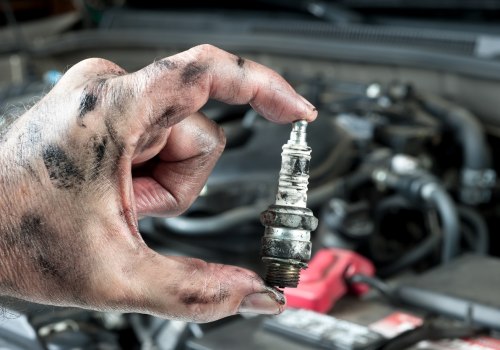
- Inspection of Spark Plugs: Spark plugs are crucial for igniting the air-fuel mixture in the engine. During a tune-up, they are checked for wear and tear. If they show signs of corrosion or excessive wear, they will be replaced to ensure efficient combustion.
- Air Filter Replacement: The air filter prevents dirt and debris from entering the engine. A clogged air filter can reduce engine performance and fuel efficiency.
During a tune-up, the air filter is inspected and replaced if necessary.
- Fuel Filter Check: Similar to the air filter, the fuel filter ensures that only clean fuel reaches the engine. A dirty fuel filter can lead to poor engine performance. It is typically replaced during a tune-up to maintain fuel flow.
- Fluid Levels Inspection: Various fluids in your vehicle, including oil, coolant, brake fluid, and transmission fluid, are checked during a tune-up. Low or dirty fluids can lead to serious engine problems, so they may be topped off or replaced as needed.
- Belt and Hose Examination: Belts and hoses are vital for the operation of many engine components.
They are inspected for cracks, fraying, or leaks. Any damaged belts or hoses will be replaced to prevent breakdowns.
- Battery Check: The battery is tested for charge and overall health. Corroded terminals or weak batteries can lead to starting issues, so these components are cleaned or replaced as necessary.
- Tire Rotation and Alignment: While not always included in every tune-up, checking tire condition and performing rotation can enhance tire life and improve handling. Proper alignment is also assessed to prevent uneven tire wear.
This proactive approach helps catch potential problems early on before they escalate into costly repairs.A well-executed tune-up not only enhances your vehicle's performance but also extends its lifespan. By adhering to a regular maintenance schedule that includes tune-ups, you can ensure that your car remains reliable and safe on the road.
How Often Should You Schedule a Tune-Up?
Determining how often to schedule a tune-up for your vehicle is essential for maintaining its performance and longevity. The frequency of these maintenance checks can vary significantly based on several factors, including the age of your vehicle, its make and model, and your driving habits.Age of the Vehicle
- Older Vehicles: For vehicles manufactured before the mid-1990s, it is generally recommended to have a tune-up every 10,000 to 12,000 miles or at least once a year. These older models often rely on traditional ignition systems that require more frequent attention.
- Newer Vehicles: Modern cars equipped with advanced fuel injection systems and electronic ignition can typically go longer between tune-ups.
Many manufacturers suggest intervals ranging from 25,000 to 100,000 miles. However, it’s wise to consult your owner’s manual for specific recommendations.
Driving Conditions
Your driving environment plays a crucial role in determining how often you should schedule a tune-up. If you frequently drive in harsh conditions—such as heavy traffic, extreme temperatures, or on rough roads—you may need to have your vehicle serviced more often. In such cases, consider scheduling a tune-up every 15,000 miles or even sooner if you notice any performance issues.
Mileage and Maintenance Schedule
Many vehicle manufacturers provide a maintenance schedule that outlines when specific services should be performed.
This schedule often includes recommendations for tune-ups, which can help you stay on track. Regularly checking your vehicle’s maintenance schedule can prevent potential issues and ensure that your car runs smoothly.
Signs That Indicate a Tune-Up is Needed
- If you experience difficulty starting your engine or notice it misfiring.
- A significant drop in fuel efficiency can also be a sign that your engine needs attention.
- If you see warning lights on your dashboard, it’s crucial to address these issues promptly.
The Cost of Tune-Ups: Is It Worth It?
When considering the cost of tune-ups, many vehicle owners often find themselves weighing the immediate financial outlay against the long-term benefits. Understanding this balance is crucial for making informed decisions about vehicle maintenance.On average, a standard tune-up can range from $100 to $300 , depending on various factors such as the make and model of your vehicle, the specific services included, and your geographical location.This price typically covers essential tasks like replacing spark plugs, air filters, and fuel filters, as well as performing diagnostic checks on the engine and other critical systems.While some may view this expense as significant, it is essential to consider the potential costs associated with neglecting regular tune-ups. For instance, failing to replace worn spark plugs can lead to decreased fuel efficiency and increased emissions. Over time, this can result in higher fuel costs and may even trigger more severe engine problems that could require expensive repairs.Moreover, regular tune-ups can help identify issues before they escalate into major repairs. For example:
- Brake System Maintenance: During a tune-up, mechanics can assess the condition of your brakes.
Addressing minor wear and tear early can prevent costly brake replacements later.
- Engine Performance: A well-tuned engine runs more efficiently, which translates to better fuel economy. This can save you hundreds of dollars at the pump over time.
- Preventive Measures: Regular inspections during tune-ups can catch problems like fluid leaks or worn belts before they lead to breakdowns or accidents.
DIY Tune-Ups vs.
Professional Services: What You Need to KnowWhen it comes to maintaining your vehicle, one of the most significant decisions you'll face is whether to perform a tune-up yourself or to enlist the help of a professional service. Each option has its own set of advantages and disadvantages, and understanding these can help you make an informed choice that best suits your needs.
Pros of DIY Tune-Ups
- Cost Savings: One of the most appealing aspects of DIY tune-ups is the potential for significant cost savings. By doing the work yourself, you can avoid labor costs associated with professional services.
- Learning Experience: Performing your own tune-up can be an educational experience. It allows you to gain a deeper understanding of your vehicle's mechanics, which can be beneficial for future maintenance.
- Flexibility: DIY maintenance gives you the flexibility to work on your schedule.
You can take your time and complete the tasks at your own pace without the pressure of a shop's timeline.
Cons of DIY Tune-Ups
- Lack of Expertise: Unless you are well-versed in automotive repair, you may not have the knowledge or experience to identify all potential issues during a tune-up.
- Time-Consuming: While you may save money, DIY tune-ups can be time-consuming, especially if you encounter unexpected problems or if you're unfamiliar with certain procedures.
- Risk of Mistakes: Without proper training, there is a risk of making mistakes that could lead to further damage or safety hazards.
Benefits of Professional Tune-Up Services
- Expertise and Experience: Professional mechanics have extensive training and experience, allowing them to quickly identify and address issues that may not be apparent to an untrained eye.
- Comprehensive Inspections: A professional tune-up typically includes a thorough inspection of various components, ensuring that nothing is overlooked.
- Warranty Protection: Many professional services offer warranties on their work, providing peace of mind that any issues arising from the tune-up will be addressed without additional costs.
Drawbacks of Professional Services
- Higher Costs: The most significant downside to professional services is the cost. Labor charges can add up quickly, making it a more expensive option compared to DIY.
- Scheduling Conflicts: You may need to work around the shop's schedule, which can be inconvenient if you're trying to get your vehicle serviced promptly.
Common Myths About Vehicle Tune-Ups Debunked
When it comes to vehicle maintenance, tune-ups are often surrounded by a cloud of misconceptions.These myths can lead to neglecting essential maintenance, ultimately affecting your vehicle's performance and longevity. Let’s take a closer look at some of the most common myths about tune-ups and set the record straight.
Myth 1: Tune-Ups Are Only Necessary for Older Cars
Many people believe that only older vehicles require regular tune-ups. While it’s true that older cars with traditional ignition systems may need more frequent attention, modern vehicles also benefit from regular maintenance. Newer cars equipped with advanced technology still require tune-ups to ensure optimal performance and efficiency.
Ignoring this can lead to issues that may not be immediately apparent.
Myth 2: A Tune-Up Is Just an Oil Change
Another common misconception is that a tune-up is synonymous with an oil change. While changing the oil is a crucial part of vehicle maintenance, a tune-up encompasses much more. It includes checking and replacing spark plugs, inspecting filters, and evaluating the overall health of the engine and its components. A comprehensive tune-up ensures that all systems are functioning correctly, not just the oil.
Myth 3: You Can Skip Tune-Ups If Your Car Runs Smoothly
Just because your vehicle seems to be running well doesn’t mean it doesn’t need a tune-up.
Many issues can develop gradually without noticeable symptoms. Regular tune-ups help catch potential problems early, preventing them from escalating into costly repairs down the line. It’s better to be proactive than reactive when it comes to your car’s health.
Myth 4: Tune-Ups Are Too Expensive
Some drivers avoid tune-ups due to perceived costs. However, the expense of a tune-up is minimal compared to the potential costs associated with major repairs that could arise from neglecting maintenance.
Investing in regular tune-ups can save you money in the long run by extending the life of your vehicle and improving fuel efficiency.
Myth 5: All Mechanics Charge the Same for Tune-Ups
The cost of a tune-up can vary significantly between different mechanics and service centers. Factors such as location, labor rates, and the specific services included in a tune-up can all influence pricing. It’s essential to shop around and find a reputable mechanic who offers fair pricing without compromising on quality.By debunking these common myths about vehicle tune-ups, you can make informed decisions about your car's maintenance needs. Regular tune-ups are vital for keeping your vehicle running smoothly and efficiently, ensuring safety on the road.
Conclusion: Prioritizing Your Vehicle's Health with Regular Tune-Ups
In summary, the significance of regular tune-ups for your vehicle cannot be overstated.These essential maintenance checks play a pivotal role in ensuring that your car operates efficiently and safely. By adhering to a consistent schedule for tune-ups, you are not only prolonging the lifespan of your vehicle but also enhancing its overall performance.Throughout this guide, we have explored various aspects of what a tune-up entails, including:
- Engine Health: Regular tune-ups help maintain optimal engine performance by replacing worn-out spark plugs and filters, which can lead to improved fuel efficiency and reduced emissions.
- Safety Checks: Tune-ups provide an opportunity to inspect critical components such as brakes and tires, ensuring that your vehicle remains safe to drive.
- Cost-Effectiveness: Investing in routine maintenance can save you from costly repairs down the line. Addressing minor issues during a tune-up can prevent them from escalating into major problems.
- Performance Optimization: A well-tuned engine runs smoother and more efficiently, providing a better driving experience and potentially increasing resale value.
This proactive approach allows you to catch potential issues before they become serious.Ultimately, prioritizing your vehicle's health through regular tune-ups is an investment in safety, performance, and longevity. Whether you drive an older model or a newer vehicle, establishing a routine maintenance schedule is essential. Remember to consult your owner’s manual for specific recommendations tailored to your car's make and model.In conclusion, don’t wait for warning signs or performance drops to prompt action. Make it a habit to schedule your tune-ups at regular intervals—ideally every 10,000 to 12,000 miles or as recommended by your mechanic.
By doing so, you ensure that your vehicle remains in peak condition, providing you with peace of mind on every journey.