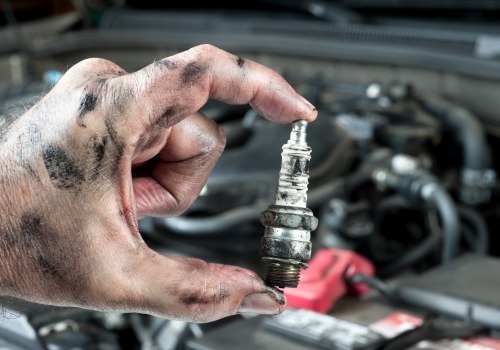
When it comes to maintaining the health and performance of your vehicle, understanding the concept of a tune-up is essential. A tune-up is not merely a routine check; it is a comprehensive service designed to ensure that your vehicle operates at its best. This process typically involves inspecting and replacing key components such as spark plugs, filters, and fluids, all of which play a crucial role in the overall functionality of your car. By regularly scheduling tune-ups, you can prevent minor issues from escalating into major problems, ultimately saving you time and money in the long run.The significance of tune-ups extends beyond just keeping your vehicle running smoothly.
They are an integral part of vehicle maintenance , contributing to improved fuel efficiency, reduced emissions, and enhanced engine performance. For instance, worn-out spark plugs can lead to misfires, which not only affect your car's power but also increase fuel consumption. By replacing these components during a tune-up, you can ensure that your engine runs efficiently, thereby maximizing your fuel economy.Moreover, regular tune-ups help in identifying potential issues before they become serious. During a typical service, mechanics will conduct thorough inspections of various systems within your vehicle, including the ignition system, fuel system, and exhaust system.
This proactive approach allows for early detection of wear and tear or malfunctioning parts, which can be addressed promptly. In essence, a tune-up is not just about maintaining performance; it is about safeguarding your investment in your vehicle.In conclusion, understanding what a tune-up entails and its importance in vehicle maintenance is vital for any car owner. By prioritizing regular tune-ups, you are taking a significant step towards ensuring the longevity and reliability of your vehicle. As we delve deeper into this topic, we will explore the specific components involved in a tune-up and how they contribute to the overall health of your car.
What Does a Tune-Up Include?
A comprehensive tune-up is essential for maintaining your vehicle's performance and longevity.It encompasses a variety of services designed to ensure that all critical components of your engine and related systems are functioning optimally. Here’s a detailed look at what a typical tune-up includes:
- Oil Change: One of the primary services performed during a tune-up is an oil change. Fresh oil lubricates the engine, reduces friction, and helps to prevent overheating. Regular oil changes are crucial for maintaining engine health.
- Spark Plug Inspection and Replacement: Spark plugs are vital for igniting the air-fuel mixture in the engine.
During a tune-up, these components are inspected for wear and replaced if necessary. Worn spark plugs can lead to poor fuel efficiency and engine misfires.
- Air Filter Replacement: The air filter prevents dirt and debris from entering the engine. A clean air filter ensures optimal airflow, which is essential for efficient combustion. Replacing a clogged air filter can improve fuel economy and engine performance.
- Fuel System Cleaning: Over time, fuel injectors can become clogged with deposits, affecting performance.
A tune-up often includes cleaning the fuel system to remove these deposits, ensuring that fuel flows freely and efficiently.
- Belt and Hose Inspection: Belts and hoses are critical for various engine functions, including cooling and power steering. During a tune-up, these components are checked for signs of wear or damage, which can prevent potential breakdowns.
- Tire Rotation: While not always included in every tune-up, rotating tires helps to ensure even wear and prolongs tire life. This service is often performed alongside other maintenance tasks.
- Battery Check: The battery is the heart of your vehicle's electrical system. A tune-up typically includes checking the battery's charge level and connections to ensure reliable starting power.
- Exhaust System Inspection: A thorough inspection of the exhaust system can identify leaks or blockages that may affect performance or emissions.
Addressing these issues during a tune-up can enhance efficiency.
The Benefits of Regular Tune-Ups
Regular vehicle tune-ups offer a multitude of benefits that extend beyond mere engine performance. By investing in routine maintenance, vehicle owners can experience enhanced reliability, improved fuel efficiency, and significant cost savings over time.1.Enhanced Performance
One of the most immediate benefits of a regular tune-up is the noticeable improvement in your vehicle's performance. During a tune-up, mechanics inspect and adjust various components, including the ignition system, fuel injectors, and air filters.
This comprehensive check ensures that your engine runs smoothly and efficiently. A well-tuned engine responds better to acceleration, providing a more enjoyable driving experience.
2.Improved Fuel Efficiency
Another significant advantage of regular tune-ups is the enhancement of fuel efficiency. When your engine is operating at its best, it consumes fuel more effectively. For instance, replacing worn spark plugs can lead to better combustion, which translates to fewer trips to the gas station.
Studies have shown that maintaining your vehicle can improve fuel economy by as much as 10% or more, depending on the condition of your car.
3.Prevention of Costly Repairs
Regular maintenance through tune-ups can help identify potential issues before they escalate into major problems. For example, a simple inspection might reveal a small oil leak or a worn-out belt that could lead to engine failure if left unaddressed. By catching these issues early, you can avoid expensive repairs down the line and extend the lifespan of your vehicle.
4.Increased Resale Value
A well-maintained vehicle not only performs better but also retains its value longer. If you plan to sell or trade in your car in the future, having a documented history of regular tune-ups can significantly increase its resale value.
Buyers are often willing to pay more for a vehicle that has been properly maintained and shows signs of good care.
5.Peace of Mind
Finally, regular tune-ups provide peace of mind for drivers. Knowing that your vehicle is in optimal condition allows you to drive with confidence, whether you're commuting to work or embarking on a long road trip. This assurance is invaluable and contributes to a safer driving experience.In summary, the benefits of regular tune-ups are clear: enhanced performance, improved fuel efficiency, prevention of costly repairs, increased resale value, and peace of mind. By prioritizing routine maintenance, you not only ensure the longevity of your vehicle but also enjoy a smoother and more economical driving experience.
Signs Your Vehicle Needs a Tune-Up
Recognizing the signs that your vehicle needs a tune-up is crucial for maintaining its performance and longevity.Ignoring these indicators can lead to more severe issues down the line, potentially resulting in costly repairs or unsafe driving conditions. Here are some common symptoms that suggest it might be time for a tune-up:
- Decreased Fuel Efficiency: If you notice that your vehicle is consuming more fuel than usual, it could be a sign of worn spark plugs or a clogged fuel filter. A proper tune-up can help restore optimal fuel efficiency.
- Rough Idling: When your engine is idling roughly or stalling frequently, it may indicate that the spark plugs or ignition system need attention. A tune-up can help smooth out engine performance.
- Difficulty Starting: If your car struggles to start or requires multiple attempts, it may be time for a tune-up.
This issue could stem from problems with the battery, spark plugs, or fuel system.
- Unusual Engine Noises: Sounds such as knocking, pinging, or backfiring can signal underlying issues that need to be addressed. A comprehensive inspection during a tune-up can identify and rectify these problems.
- Check Engine Light: If your dashboard's check engine light comes on, it’s a clear indication that something is amiss. While this could be due to various reasons, a tune-up often resolves many common issues.
- Excessive Exhaust Emissions: If you notice an increase in exhaust smoke or unusual colors in the exhaust, it may indicate incomplete combustion due to worn-out components. A tune-up can help ensure your vehicle runs cleaner.
Regular maintenance not only enhances your vehicle's performance but also contributes to your safety on the road. If you’re unsure about the condition of your vehicle, consulting with a professional mechanic can provide clarity and peace of mind.
How Often Should You Schedule a Tune-Up?
Understanding how often to schedule a tune-up is essential for maintaining your vehicle's performance and longevity. The frequency of tune-ups can vary significantly based on several factors, including the type of vehicle you own, its age, and the manufacturer's recommendations.Manufacturer Recommendations
- Most manufacturers provide specific guidelines in the owner's manual regarding when to perform a tune-up. These recommendations are based on extensive testing and are tailored to the vehicle's design and engine type.
- For many modern vehicles, a tune-up is typically recommended every 25,000 to 100,000 miles.
This range reflects advancements in automotive technology that have improved engine efficiency and durability.
- However, older vehicles may require more frequent tune-ups, often around every 12,000 to 15,000 miles, due to less efficient components and systems.
Driving Conditions
Your driving habits and conditions also play a crucial role in determining how often you should schedule a tune-up. If you frequently drive in harsh conditions—such as:
- Heavy traffic or stop-and-go driving
- Extreme temperatures (hot or cold)
- Off-road conditions or rough terrain
- Towing heavy loads
Signs That Indicate a Tune-Up is Needed
In addition to following manufacturer guidelines, pay attention to your vehicle's performance. Signs that indicate it may be time for a tune-up include:
- Decreased fuel efficiency
- Rough idling or stalling
- Diminished acceleration or power
- Unusual noises from the engine
- Check engine light activation
DIY vs.
Professional Tune-Ups: What You Need to KnowWhen it comes to maintaining your vehicle, one of the most significant decisions you'll face is whether to perform a DIY tune-up or to seek out professional tune-up services. Each option has its own set of advantages and disadvantages, and understanding these can help you make an informed choice that best suits your needs and capabilities.
DIY Tune-Ups: Pros and Cons
Many car enthusiasts and budget-conscious individuals opt for DIY tune-ups. Here are some of the benefits and drawbacks:- Pros:
- Cost Savings: Performing a tune-up yourself can save you money on labor costs, which can be significant when using a professional service.
- Learning Experience: Engaging in DIY maintenance allows you to learn more about your vehicle, enhancing your understanding of how it operates.
- Flexibility: You can schedule the tune-up at your convenience, without needing to book an appointment or wait for service.
- Cons:
- Time-Consuming: Depending on your skill level, a DIY tune-up can take significantly longer than having it done by a professional.
- Lack of Expertise: If you're not experienced, you might overlook critical issues or make mistakes that could lead to further problems down the line.
- Limited Tools: Professional mechanics have access to specialized tools and diagnostic equipment that may not be available to the average car owner.
Professional Tune-Up Services: Advantages
On the other hand, opting for professional tune-up services comes with its own set of benefits:- Expertise: Professionals have extensive training and experience, allowing them to quickly identify issues that may not be apparent to an untrained eye.
- Comprehensive Inspections: A professional tune-up typically includes a thorough inspection of all engine components, ensuring that nothing is missed.
- Warranty Protection: Many repair shops offer warranties on their work, providing peace of mind that if something goes wrong after the service, you’re covered.
- Time Efficiency: Professionals can often complete a tune-up in a fraction of the time it would take an individual to do it themselves, allowing you to get back on the road sooner.
However, for those who prefer assurance and thoroughness, professional services are often worth the investment.
Seasonal Tune-Ups: Preparing Your Vehicle for Different Weather Conditions
As the seasons change, so do the demands placed on your vehicle. Each weather condition presents unique challenges that can affect performance, safety, and overall reliability. This is why seasonal tune-ups are essential for maintaining your vehicle's health throughout the year.Winter Tune-Ups: Ensuring Cold Weather Readiness
Winter can be particularly harsh on vehicles, making a winter tune-up crucial. Here are some key areas to focus on:- Battery Health: Cold temperatures can reduce battery efficiency.
Have your battery tested to ensure it holds a charge and replace it if necessary.
- Antifreeze Levels: Check the coolant system to ensure it has the right mixture of antifreeze and water to prevent freezing.
- Tires: Inspect tire tread depth and pressure. Winter tires may be necessary for better traction in snow and ice.
- Wiper Blades: Replace worn wiper blades to maintain visibility during winter storms.
- Fluids: Ensure that all fluids, including oil and windshield washer fluid, are at appropriate levels and suitable for cold weather.
Summer Car Care Tips: Beating the Heat
As temperatures rise, your vehicle faces different challenges. A summer tune-up can help mitigate these issues:- A/C System: Ensure your air conditioning system is functioning properly to keep you cool during hot months. Consider recharging the system if it’s not blowing cold air.
- Tire Maintenance: Heat can cause tire pressure to increase.
Regularly check tire pressure and tread wear to avoid blowouts.
- Engine Cooling System: Inspect the radiator and hoses for leaks or wear. A well-functioning cooling system is vital to prevent overheating.
- Fuel System: Clean fuel injectors and replace filters to ensure optimal engine performance during high-demand driving conditions.
Common Misconceptions About Tune-Ups
When it comes to vehicle maintenance, there are numerous misconceptions surrounding the concept of a tune-up. These myths can lead to confusion and potentially harmful neglect of essential car care practices.Here, we will clarify some of the most common misconceptions about tune-ups to help you better understand their importance.
Myth 1: Tune-Ups Are Only Necessary for Older Cars
Many people believe that only older vehicles require regular tune-ups. However, this is not true. While it is correct that older cars may need more frequent adjustments due to wear and tear, modern vehicles also benefit significantly from regular tune-ups. Advances in technology have made engines more efficient, but they still require periodic maintenance to ensure optimal performance.Myth 2: A Tune-Up Is Just About Changing Spark Plugs
Another common misconception is that a tune-up solely involves replacing spark plugs.In reality, a comprehensive tune-up encompasses a variety of services, including:
- Changing the oil and oil filter
- Inspecting and replacing air and fuel filters
- Checking ignition timing and idle speed
- Examining belts and hoses for wear
- Cleaning the fuel system
- Testing battery health and connections
Myth 3: Tune-Ups Are Only for Performance Issues
Some drivers think that they only need a tune-up when they notice performance issues, such as rough idling or decreased fuel efficiency. However, waiting until problems arise can lead to more significant damage and costly repairs. Regular tune-ups are preventive measures that help identify potential issues before they escalate.Myth 4: You Can Skip Tune-Ups If You Use Premium Fuel
While using premium fuel can enhance performance in some vehicles, it does not eliminate the need for regular maintenance. Premium fuel may improve engine efficiency slightly, but it cannot replace the benefits of a thorough tune-up.Regular maintenance is essential regardless of the type of fuel you use.By debunking these myths, car owners can make informed decisions about their vehicle maintenance. Understanding the true nature of a tune-up empowers you to take proactive steps in caring for your vehicle, ultimately leading to better performance and longevity.
Conclusion: The Key Takeaways on Vehicle Tune-Ups
In summary, the significance of regular vehicle tune-ups cannot be overstated. These essential maintenance procedures are designed to enhance your vehicle's performance, improve fuel efficiency, and extend its lifespan. By adhering to a consistent schedule for tune-ups, you can prevent minor issues from escalating into major problems that could lead to costly repairs.Here are the key takeaways regarding the importance of regular tune-ups:- Enhanced Performance: Regular tune-ups ensure that your engine runs smoothly, providing optimal power and responsiveness.
This is achieved through the inspection and replacement of critical components such as spark plugs, filters, and fuel injectors.
- Improved Fuel Efficiency: A well-maintained engine operates more efficiently, which translates to better fuel economy. This not only saves you money at the pump but also reduces your carbon footprint.
- Prevention of Major Repairs: By identifying and addressing potential issues early on, regular tune-ups can help you avoid significant breakdowns and expensive repairs down the line.
- Increased Safety: A thorough inspection during a tune-up can uncover safety concerns such as worn brakes or faulty lights, ensuring that your vehicle remains safe to drive.
- Longevity of Your Vehicle: Consistent maintenance through tune-ups contributes to the overall health of your vehicle, allowing it to serve you reliably for many years.
Remember, a little attention today can lead to significant benefits tomorrow.