When it comes to maintaining the health and longevity of your vehicle, understanding the concept of a tune-up is essential. A tune-up is not merely a routine check; it is a comprehensive service designed to ensure that your vehicle operates at its optimal performance. This process typically involves a series of inspections, adjustments, and replacements of key components that contribute to the overall functionality of your car. From spark plugs to air filters, each element plays a vital role in keeping your engine running smoothly and efficiently.The significance of regular tune-ups cannot be overstated.
Just as our bodies require regular check-ups to prevent health issues, vehicles also need consistent maintenance to avoid costly repairs down the line. A well-timed tune-up can help identify potential problems before they escalate into major concerns, saving you both time and money. Moreover, by ensuring that all systems are functioning correctly, you can enhance your vehicle's fuel efficiency, improve its performance, and extend its lifespan.In addition to preventing breakdowns and improving performance, tune-ups also contribute to a safer driving experience. A vehicle that is regularly maintained is less likely to suffer from unexpected failures while on the road.
This not only protects you as the driver but also ensures the safety of passengers and other road users. Understanding the importance of tune-ups is the first step toward responsible vehicle ownership and maintenance.
What Does a Tune-Up Involve?
A comprehensive tune-up is essential for maintaining your vehicle's performance and longevity. Understanding what a tune-up involves can help you appreciate its importance and ensure that your car remains in optimal condition. Here’s a detailed breakdown of the key components and procedures typically included in a tune-up.- Oil Change: One of the most critical aspects of a tune-up is the oil change.
Engine oil lubricates moving parts, reduces friction, and helps to keep the engine clean. Depending on your vehicle, oil changes should be performed every 5,000 to 7,500 miles. During this process, the old oil is drained, and new oil is added along with a new oil filter to ensure contaminants are removed.
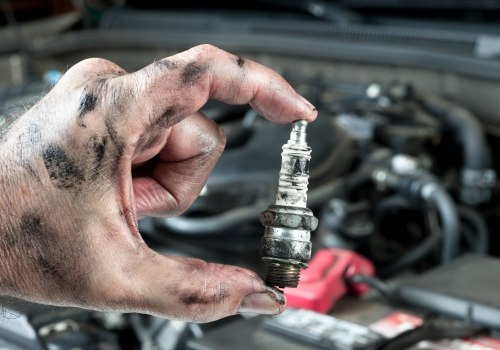
- Spark Plug Replacement: Spark plugs are vital for igniting the air-fuel mixture in the engine's cylinders. Over time, they can wear out or become fouled, leading to poor engine performance and reduced fuel efficiency.
Replacing spark plugs every 30,000 to 100,000 miles is generally recommended, depending on the type of plugs used.
- Air Filter Inspection: The air filter prevents dirt and debris from entering the engine. A clogged air filter can restrict airflow, negatively impacting performance and fuel economy. It’s advisable to check and replace the air filter every 15,000 to 30,000 miles or as needed.
- Fuel Filter Replacement: Similar to the air filter, the fuel filter keeps contaminants from reaching the engine. A clean fuel filter ensures optimal fuel flow and engine performance.
Depending on your vehicle, it may need replacement every 30,000 to 50,000 miles.
- Battery Check: The battery is crucial for starting your vehicle and powering electrical systems. During a tune-up, mechanics will check the battery's charge level and inspect for corrosion on terminals. If necessary, they may recommend cleaning or replacing the battery.
- Tire Rotation and Pressure Check: While not always included in a traditional tune-up, checking tire pressure and rotating tires can enhance safety and extend tire life. Properly inflated tires improve fuel efficiency and handling.
Mechanics will look for signs of wear or damage that could lead to breakdowns if not addressed promptly.By understanding what is included in a tune-up, you can better prepare for your vehicle's maintenance needs. Regularly scheduled tune-ups not only help prevent costly repairs but also ensure that your car runs smoothly and efficiently for years to come.
How Often Should You Get a Tune-Up?
Determining how often you should get a tune-up is essential for maintaining your vehicle's performance and longevity. The frequency of tune-ups can vary significantly based on several factors, including the age of your vehicle, its make and model, and your driving habits.Older Vehicles
For older vehicles, particularly those with traditional ignition systems, it is generally recommended to schedule a tune-up every 10,000 to 12,000 miles or at least once a year. These cars often require more frequent maintenance due to their mechanical components being more susceptible to wear and tear.
Regularly checking and replacing parts such as spark plugs, air filters, and fuel filters can help prevent more serious issues down the line.
Newer Vehicles
In contrast, newer vehicles equipped with advanced fuel injection systems and electronic ignition typically have longer intervals between tune-ups. Many manufacturers suggest that these cars can go anywhere from 25,000 to 100,000 miles before needing a major service. However, it’s crucial to consult your owner’s manual for specific recommendations tailored to your vehicle.
Driving Conditions
Your driving conditions also play a significant role in determining how often you should get a tune-up. If you frequently drive in stop-and-go traffic, on rough roads, or in extreme weather conditions, you may need to have your vehicle serviced more often.
These conditions can put additional strain on your engine and other components, leading to faster wear.
Signs Your Vehicle Needs a Tune-Up
- Poor fuel efficiency
- Engine misfires or rough idling
- Difficulty starting the engine
- Unusual noises from the engine
- Check engine light is illuminated
Signs Your Vehicle Needs a Tune-Up
Recognizing the signs that your vehicle needs a tune-up is essential for maintaining its performance and longevity. Ignoring these indicators can lead to more severe issues and costly repairs down the line. Here are some common symptoms that suggest it might be time for a tune-up:- Decreased Fuel Efficiency: If you notice that you're filling up your gas tank more frequently than usual, it could be a sign that your engine isn't running as efficiently as it should.
Worn spark plugs or clogged fuel filters can significantly impact fuel consumption.
- Rough Idling: A smooth idle is a sign of a well-tuned engine. If your vehicle shakes or vibrates while idling, it may indicate that the engine is misfiring, which can be caused by faulty spark plugs or ignition components.
- Engine Warning Light: The check engine light is designed to alert you to potential problems within your vehicle. If this light comes on, it's crucial to have your car inspected promptly, as it may indicate the need for a tune-up.
- Difficulty Starting: If your vehicle struggles to start or requires multiple attempts, it could be due to worn-out spark plugs or issues with the ignition system. These problems can often be resolved with a simple tune-up.
- Unusual Noises: Pay attention to any strange sounds coming from your engine, such as knocking or pinging noises.
These sounds can indicate serious issues that may require immediate attention and could be addressed during a tune-up.
- Excessive Exhaust Emissions: If you notice an increase in exhaust smoke or a strong odor from the exhaust, it may signal incomplete combustion in the engine. A tune-up can help rectify this issue by ensuring all components are functioning correctly.
The Benefits of Regular Tune-Ups
Regular vehicle tune-ups offer a multitude of benefits that extend beyond mere maintenance.By committing to a consistent tune-up schedule, vehicle owners can experience significant improvements in performance, fuel efficiency, and the overall longevity of their cars.
Enhanced Performance
One of the most immediate benefits of regular tune-ups is the enhancement of your vehicle's performance. Over time, components such as spark plugs, air filters, and fuel injectors can become clogged or worn out. This degradation can lead to sluggish acceleration, rough idling, and decreased responsiveness. During a tune-up, these parts are inspected and replaced as necessary, ensuring that your engine runs smoothly and efficiently.
A well-tuned engine not only performs better but also provides a more enjoyable driving experience.
Improved Fuel Efficiency
Another significant advantage of regular tune-ups is improved fuel efficiency. When your engine is not operating at peak performance due to worn-out components, it can consume more fuel than necessary. For instance, old spark plugs can cause incomplete combustion, leading to wasted fuel. By replacing these parts during a tune-up, you can optimize your engine's performance and potentially save money at the pump.
Many drivers report noticeable improvements in gas mileage after a thorough tune-up.
Increased Longevity
Regular maintenance through tune-ups also contributes to the longevity of your vehicle. Just like any machine, cars require care to function optimally over time. By addressing minor issues before they escalate into major problems, you can avoid costly repairs and extend the life of your vehicle. For example, neglecting to replace a worn timing belt can lead to catastrophic engine failure, resulting in expensive repairs or even the need for a new engine altogether.
Cost-Effective Maintenance
While some may view tune-ups as an unnecessary expense, they are actually a cost-effective way to maintain your vehicle.
The cost of regular maintenance is often far less than the price of major repairs that could arise from neglecting your car's needs. By investing in routine tune-ups, you are proactively safeguarding your vehicle against potential issues that could lead to significant financial burdens down the road.
Peace of Mind
Finally, regular tune-ups provide peace of mind for drivers. Knowing that your vehicle is in good condition allows you to drive with confidence, whether you're commuting to work or embarking on a long road trip. A well-maintained car is less likely to break down unexpectedly, reducing stress and enhancing your overall driving experience.In summary, the benefits of regular tune-ups are clear: enhanced performance, improved fuel efficiency, increased longevity, cost-effective maintenance, and peace of mind.
By prioritizing routine maintenance for your vehicle, you are making a wise investment in its future and ensuring that it remains reliable for years to come.
Cost Considerations for Tune-Ups
When it comes to maintaining your vehicle, understanding the cost of a tune-up is essential for effective budgeting. The price of a tune-up can vary significantly based on several factors, including the make and model of your vehicle, the type of services included, and your geographical location.Factors Influencing Tune-Up Costs
- Vehicle Type: Luxury and high-performance vehicles often require specialized parts and labor, which can increase the overall cost. In contrast, standard models may have lower tune-up expenses.
- Service Scope: A basic tune-up might include replacing spark plugs and air filters, while a comprehensive service could involve checking the ignition system, fuel injectors, and timing belt. The more extensive the service, the higher the cost.
- Labor Rates: Labor costs can vary widely depending on the region and whether you choose a dealership or an independent mechanic.
Dealerships typically charge more due to their specialized knowledge and access to OEM parts.
- Parts Quality: The choice between original equipment manufacturer (OEM) parts and aftermarket alternatives can also affect costs. While OEM parts may be more expensive, they often provide better reliability.
Average Tune-Up Costs
On average, a standard tune-up can range from $50 to $150. However, if your vehicle requires more extensive work or specialized parts, costs can escalate to $200 or more. It's advisable to get quotes from multiple service providers to ensure you're getting a fair price.
Budgeting for Vehicle Maintenance
To effectively manage your vehicle maintenance budget, consider the following tips:
- Create a Maintenance Schedule: Keep track of when your vehicle is due for a tune-up based on mileage or time intervals.
This proactive approach helps avoid unexpected repairs.
- Set Aside Funds: Allocate a specific amount each month for vehicle maintenance. This way, when it’s time for a tune-up, you’ll have the necessary funds readily available.
- Prioritize Essential Services: Focus on critical maintenance tasks that directly impact safety and performance before considering additional services.
DIY Tune-Ups vs. Professional Services
When it comes to maintaining your vehicle, one of the most significant decisions you'll face is whether to perform a tune-up yourself or to hire a professional mechanic. Each option has its own set of advantages and disadvantages, and understanding these can help you make an informed choice based on your skills, comfort level, and the specific needs of your vehicle.DIY Tune-Up Guide
For those who are mechanically inclined or enjoy working on their cars, a DIY tune-up can be a rewarding experience.Here are some key benefits:
- Cost Savings: Performing a tune-up yourself can save you money on labor costs. Parts are often available at local auto parts stores or online, allowing you to purchase only what you need.
- Learning Experience: A DIY tune-up provides an opportunity to learn more about your vehicle's inner workings. This knowledge can empower you to handle minor repairs in the future.
- Flexibility: You can work on your schedule, taking as much time as you need without the pressure of a mechanic's timeline.
- Skill Level: Not everyone has the necessary skills or tools to perform a comprehensive tune-up. Missteps can lead to further issues or even safety hazards.
- Time-Consuming: Depending on your experience, a DIY tune-up can take significantly longer than anticipated, especially if you encounter unexpected problems.
- Lack of Warranty: If something goes wrong after a DIY job, you may not have the same recourse as you would with a professional service.
Professional vs.
DIY MaintenanceHiring a professional mechanic for your vehicle's tune-up comes with its own set of advantages:
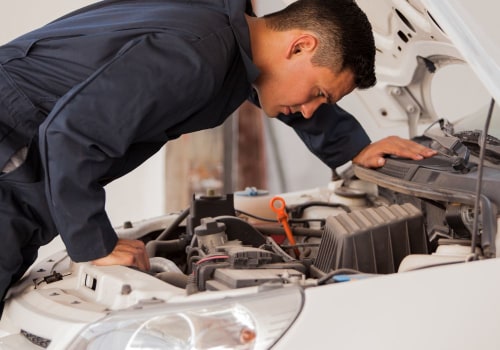
- Expertise: Professional mechanics have extensive training and experience. They can quickly diagnose issues that may not be apparent to an untrained eye.
- Tools and Equipment: Mechanics have access to specialized tools and diagnostic equipment that can make the tune-up process more efficient and effective.
- Warranty Protection: Many professional services offer warranties on their work, providing peace of mind in case something goes wrong after the service.
When to Hire a Mechanic
If you're unsure about your ability to perform a tune-up or if your vehicle requires specialized knowledge (such as advanced diagnostics for modern vehicles), it may be best to consult a professional. Signs that indicate it's time to hire a mechanic include:- Your vehicle is showing warning lights on the dashboard that you cannot diagnose.
- You lack the necessary tools or space to perform the maintenance safely.
- You feel uncomfortable or uncertain about any aspect of the tune-up process.
Assessing your skills, available resources, and comfort level will guide you in making the best decision for your vehicle's maintenance needs.
Frequently Asked Questions About Tune-Ups
When it comes to vehicle maintenance, many car owners have questions about tune-ups. Understanding the ins and outs of this essential service can help you keep your vehicle in optimal condition. Here are some frequently asked questions regarding tune-ups:- What is a tune-up?
A tune-up is a series of maintenance tasks performed on a vehicle to ensure it runs efficiently. This typically includes replacing spark plugs, checking and adjusting ignition timing, inspecting the fuel system, and changing filters and fluids. - How often should I get a tune-up?
The frequency of tune-ups can vary based on your vehicle's make, model, and age.Generally, older vehicles may require a tune-up every 10,000 to 12,000 miles, while newer models can often go 25,000 to 100,000 miles between services. Always refer to your owner's manual for specific recommendations.
- What are the signs that my vehicle needs a tune-up?
Common indicators include poor fuel efficiency, difficulty starting the engine, rough idling, or a noticeable decrease in performance. If you experience any of these symptoms, it may be time to schedule a tune-up. - Can I perform a tune-up myself?
While some aspects of a tune-up can be done at home, such as changing air filters or spark plugs, it's often best to consult with a professional mechanic for more complex tasks. They have the tools and expertise to ensure everything is done correctly. - What happens if I skip regular tune-ups?
Neglecting regular tune-ups can lead to decreased performance, lower fuel efficiency, and potentially costly repairs down the line.Regular maintenance helps identify issues before they escalate into major problems.
Conclusion: The Importance of Staying on Top of Your Vehicle's Maintenance
In summary, the significance of regular vehicle tune-ups cannot be overstated. As we have explored throughout this article, maintaining your vehicle through consistent and thorough tune-ups is essential for ensuring its longevity, performance, and safety on the road.Regular tune-ups serve multiple purposes:- Preventative Maintenance: By addressing minor issues before they escalate into major problems, you can save yourself from costly repairs and unexpected breakdowns.
- Enhanced Performance: A well-tuned engine operates more efficiently, providing better acceleration and smoother handling. This not only makes your driving experience more enjoyable but also contributes to overall road safety.
- Improved Fuel Efficiency: Regular maintenance helps ensure that your vehicle runs optimally, which can lead to significant savings at the pump.
Replacing worn-out spark plugs and filters during a tune-up can enhance fuel economy.
- Increased Resale Value: A vehicle that has been consistently maintained is likely to have a higher resale value. Prospective buyers are often willing to pay more for a car with a documented maintenance history.
Remember, a well-maintained vehicle is not just about performance; it’s about peace of mind knowing that you are taking the necessary steps to protect your investment.