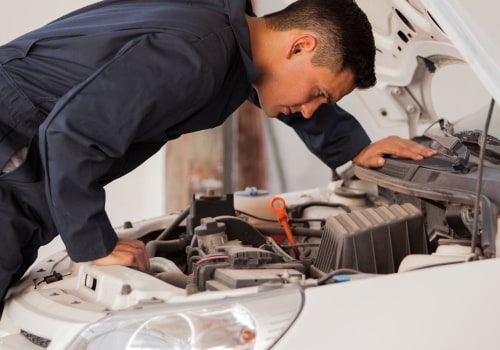
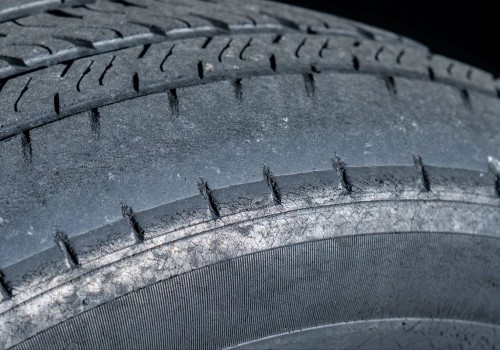
A car tune-up is a crucial aspect of vehicle maintenance that ensures your automobile operates at its best. It involves a series of checks and adjustments designed to enhance performance, improve fuel efficiency, and extend the lifespan of your vehicle. While the term "tune-up" may evoke images of mechanics adjusting carburetors and spark plugs, the reality is that modern tune-ups have evolved significantly. Today, they encompass a comprehensive evaluation of various systems within your car, including the engine, transmission, brakes, and electrical components.The importance of regular tune-ups cannot be overstated.
Just as regular check-ups are essential for maintaining human health, tune-ups are vital for keeping your vehicle in optimal condition. They help identify potential issues before they escalate into costly repairs. For instance, during a tune-up, mechanics can detect worn-out spark plugs or dirty air filters that could hinder engine performance. By addressing these minor problems early on, you can avoid more significant breakdowns and ensure your car runs smoothly.Moreover, regular car maintenance , including tune-ups, contributes to safety on the road.
A well-maintained vehicle is less likely to experience mechanical failures that could lead to accidents. Additionally, tune-ups can enhance fuel efficiency, saving you money at the pump while reducing your carbon footprint. In essence, investing in routine tune-ups is not just about keeping your car running; it's about ensuring a safe and economical driving experience.
The Evolution of Tune-Ups: From Past to Present
The concept of a car tune-up has undergone significant transformation since the early days of automotive engineering. Initially, tune-ups were a routine necessity for maintaining vehicle performance, primarily due to the mechanical nature of older cars.These vehicles relied heavily on manual adjustments and mechanical components that required regular attention to ensure optimal functionality.In the past, a typical tune-up involved a comprehensive examination of various engine components. Mechanics would adjust the ignition timing, replace spark plugs, and fine-tune the carburetor settings. This process was essential for maximizing fuel efficiency and minimizing emissions. As a result, car owners were advised to schedule tune-ups every 10,000 to 12,000 miles or at least once a year.However, as automotive technology advanced, particularly with the introduction of electronic ignition systems and fuel injection technology, the need for frequent tune-ups diminished.
Modern vehicles are equipped with sophisticated onboard diagnostics (OBD) systems that monitor engine performance in real-time. These systems can detect issues and alert drivers when maintenance is required, significantly reducing the frequency of traditional tune-ups.Today’s vehicles are designed with longevity in mind, often allowing for maintenance intervals that stretch from 25,000 to 100,000 miles before requiring a major tune-up. This shift not only reflects advancements in engineering but also changes in consumer expectations regarding vehicle reliability and performance.Despite these advancements, regular maintenance remains crucial. While modern cars may not require the same level of attention as their predecessors, they still benefit from periodic checks of essential components such as:
- Oil Changes: Regular oil changes are vital for engine health and should be performed every 5,000 to 7,500 miles.
- Air Filters: Replacing air filters ensures optimal airflow to the engine and can improve fuel efficiency.
- Fluid Levels: Checking and replenishing fluids like coolant, brake fluid, and transmission fluid is essential for safe operation.
- Battery Health: Regularly inspecting the battery can prevent unexpected failures.
Understanding this evolution helps car owners appreciate the significance of regular maintenance tailored to their specific vehicle needs.
Key Components of a Tune-Up
A comprehensive tune-up involves several critical components that work together to ensure your vehicle operates at peak performance. Understanding these components can help you appreciate the importance of regular maintenance and how each part contributes to your car's overall health.- Spark Plugs: Spark plugs are essential for igniting the air-fuel mixture in the engine's cylinders. Over time, they can wear out or become fouled, leading to misfires, reduced fuel efficiency, and increased emissions. Replacing spark plugs during a tune-up ensures smooth engine operation and optimal fuel economy.
- Air Filters: The air filter prevents dirt and debris from entering the engine, which can cause significant damage over time.
A clogged air filter restricts airflow, leading to poor engine performance and decreased fuel efficiency. Regularly replacing the air filter as part of a tune-up helps maintain proper airflow and engine cleanliness.
- Fuel Filters: Similar to air filters, fuel filters keep contaminants from entering the fuel system. A dirty fuel filter can lead to poor engine performance, stalling, and difficulty starting. During a tune-up, replacing the fuel filter ensures that your engine receives clean fuel, promoting better combustion and efficiency.
- Oil and Oil Filter: Engine oil lubricates moving parts, reduces friction, and helps dissipate heat.
Over time, oil breaks down and becomes less effective. Changing the oil and oil filter during a tune-up is crucial for maintaining engine health and longevity.
- Belt and Hose Inspection: Belts and hoses are vital for various engine functions, including cooling, power steering, and charging systems. During a tune-up, mechanics will inspect these components for signs of wear or damage. Replacing worn belts or hoses can prevent breakdowns and costly repairs down the line.
- Fluid Levels: A tune-up also includes checking and replenishing essential fluids such as coolant, brake fluid, transmission fluid, and power steering fluid.
Maintaining proper fluid levels is critical for vehicle safety and performance.
Signs Your Car Needs a Tune-Up
Recognizing the signs that your vehicle needs a tune-up is crucial for maintaining its performance and longevity. Ignoring these indicators can lead to more severe issues and costly repairs down the line.Here are some common signs that suggest it might be time to schedule a tune-up.
- Decreased Fuel Efficiency: If you notice that your car is consuming more fuel than usual, it could be a sign that the engine is not running optimally. A tune-up can help restore fuel efficiency by ensuring that components like spark plugs and air filters are functioning correctly.
- Rough Idling: When your car idles roughly or vibrates excessively while stationary, it may indicate that the engine is misfiring or that there are issues with the ignition system. A thorough tune-up can address these problems and improve overall engine performance.
- Engine Warning Light: The check engine light on your dashboard is a clear signal that something is amiss. While it could be a minor issue, it’s essential to have your vehicle checked out as soon as possible.
A tune-up can help diagnose and resolve the underlying problem.
- Difficulty Starting: If your car struggles to start or requires multiple attempts, it may be time for a tune-up. This could be due to worn-out spark plugs or a failing battery, both of which can be addressed during a routine maintenance check.
- Noisy Engine: Unusual noises from the engine, such as knocking or pinging sounds, can indicate serious issues. These noises often stem from improper combustion or other mechanical problems that a tune-up can help identify and rectify.
- Frequent Stalling: If your vehicle stalls frequently, especially at low speeds or when idling, this could signal a need for a tune-up. Stalling can result from various factors, including fuel delivery issues or ignition system failures.
Regularly scheduled tune-ups, based on your vehicle's maintenance schedule, can prevent these issues from escalating and ensure your car remains in peak condition.
How Often Should You Schedule a Tune-Up?
Determining how often to schedule a tune-up for your vehicle is crucial for maintaining its performance and longevity. While the general rule of thumb has evolved over the years, several factors influence the ideal frequency for tune-ups.Manufacturer Recommendations
- Every vehicle comes with a maintenance schedule outlined in the owner’s manual. This schedule is tailored to the specific needs of your car, taking into account its make, model, and engine type.
- For many modern vehicles, manufacturers recommend a tune-up every 25,000 to 100,000 miles. However, this can vary significantly based on driving conditions and habits.
Vehicle Age and Type
- Older vehicles typically require more frequent tune-ups due to their less advanced technology.
For instance, cars built before the 1990s may need a tune-up every 10,000 to 12,000 miles.
- Conversely, newer models equipped with sophisticated electronic systems can often go longer between services. These systems can self-diagnose issues and adjust performance parameters automatically.
Driving Conditions
- Your driving environment plays a significant role in determining how often you should get a tune-up. Frequent short trips, stop-and-go traffic, or driving in extreme weather conditions can put additional strain on your vehicle.
- If you often drive in harsh conditions or tow heavy loads, you may need to schedule tune-ups more frequently than recommended.
Signs Your Vehicle Needs a Tune-Up
- Poor fuel efficiency or decreased engine performance can indicate that it’s time for a tune-up.
- If you notice unusual noises from the engine or if the check engine light comes on, these are also signs that you should consult your mechanic.
The Benefits of Regular Tune-Ups
Regular car tune-ups offer a multitude of benefits that extend beyond mere performance enhancements.By investing in routine maintenance, vehicle owners can experience significant improvements in fuel efficiency, overall performance, and the longevity of their cars.
1.Improved Fuel Efficiency
One of the most immediate benefits of a regular tune-up is enhanced fuel efficiency. Over time, components such as spark plugs, air filters, and fuel injectors can become dirty or worn out, leading to inefficient combustion. A well-timed tune-up ensures that these parts are cleaned or replaced, allowing the engine to operate more efficiently. This not only saves money at the pump but also reduces harmful emissions, contributing to a cleaner environment.
2.Enhanced Performance
A car that undergoes regular tune-ups will perform better overall.
This includes smoother acceleration, improved handling, and a quieter ride. Mechanics will check and adjust various systems during a tune-up, including the ignition system and engine timing. These adjustments help maintain optimal engine performance, ensuring that your vehicle responds well under different driving conditions.
3.Increased Vehicle Lifespan
Just like any other machine, cars require regular maintenance to function optimally over time. Regular tune-ups can significantly extend the lifespan of your vehicle by preventing small issues from escalating into major problems.
For instance, neglecting to replace worn spark plugs can lead to engine misfires, which may cause extensive damage if left unaddressed. By staying proactive with maintenance, you can avoid costly repairs and keep your car running for many years.
4.Safety Assurance
Regular tune-ups also play a crucial role in ensuring the safety of your vehicle. During a tune-up, mechanics will inspect critical components such as brakes, tires, and steering systems. Identifying potential safety issues early on can prevent accidents and ensure that your vehicle is safe for you and your passengers.
5.Peace of Mind
Finally, knowing that your car is regularly maintained provides peace of mind.
You can drive with confidence, knowing that your vehicle is in good condition and ready for any journey you undertake.In summary, the benefits of regular tune-ups are clear: improved fuel efficiency, enhanced performance, increased lifespan, safety assurance, and peace of mind. By prioritizing routine maintenance, you not only protect your investment but also enjoy a more reliable driving experience.
Choosing the Right Mechanic for Your Tune-Up
When it comes to ensuring your vehicle receives the best possible care during a tune-up, selecting the right mechanic or auto repair shop is crucial. A qualified professional can make all the difference in maintaining your car's performance and longevity. Here are some essential tips to help you find a reliable mechanic for your next tune-up.1.Research and Recommendations
- Start by asking friends, family, and coworkers for recommendations.
Personal experiences can provide valuable insights into the quality of service offered by local mechanics.
- Utilize online resources such as review websites and social media platforms to gauge customer satisfaction. Look for shops with consistently high ratings and positive feedback.
2.Check Certifications and Specializations
- Look for mechanics who hold certifications from recognized organizations, such as the National Institute for Automotive Service Excellence (ASE). These certifications indicate a level of expertise and commitment to ongoing education in the field.
- If you own a specialized vehicle, such as a luxury car or a classic model, seek out mechanics who have experience working with that specific type of car. Specialized knowledge can be critical for performing effective tune-ups.
3.Evaluate the Shop's Facilities
- Visit potential auto repair shops to assess their cleanliness and organization.
A well-maintained facility often reflects the quality of work performed.
- Inquire about the tools and technology used in the shop. Modern diagnostic equipment is essential for accurately identifying issues during a tune-up.
4.Ask About Services Offered
- Ensure that the shop provides comprehensive tune-up services, including inspections of spark plugs, filters, fluids, and other critical components.
- Inquire about additional services that may be beneficial for your vehicle, such as oil changes, brake inspections, or tire rotations.
5.Get Estimates and Compare Prices
- Request estimates from multiple shops to compare pricing for tune-up services. While cost shouldn't be the only factor, it’s important to ensure you’re getting fair value for the work performed.
- Be cautious of prices that seem too low; they may indicate subpar service or the use of inferior parts.
6.Trust Your Instincts
Your comfort level with a mechanic is vital. If you feel rushed or pressured during your visit, it may be a sign to look elsewhere.
A good mechanic should take the time to answer your questions and explain their recommendations clearly.By following these guidelines, you can confidently choose a mechanic who will provide quality care during your tune-up, ensuring your vehicle remains in optimal condition for years to come.
DIY vs. Professional Tune-Ups: What You Need to Know
When it comes to maintaining your vehicle, one of the most significant decisions you’ll face is whether to perform a DIY tune-up or to seek out professional services. Each option has its own set of advantages and disadvantages, and understanding these can help you make an informed choice that best suits your needs.Understanding DIY Tune-Ups
For many car enthusiasts and those looking to save money, DIY car maintenance can be an appealing option. Performing your own tune-up allows you to:- Save Money: By doing the work yourself, you can avoid labor costs associated with professional services.
- Learn About Your Vehicle: Engaging in DIY maintenance can deepen your understanding of how your car operates, which can be beneficial for future repairs.
- Control the Process: You can choose the parts and fluids that go into your vehicle, ensuring they meet your standards.
If you’re not familiar with the components involved or lack the necessary tools, you may end up causing more harm than good. Additionally, some tasks may require specialized equipment that is not readily available to the average car owner.
The Case for Professional Tune-Ups
On the other hand, opting for a professional tune-up service offers several benefits:- Expertise: Professional mechanics have extensive training and experience, allowing them to diagnose issues that may not be apparent to an untrained eye.
- Time-Saving: A professional can complete a tune-up much faster than most DIYers, freeing up your time for other activities.
- Comprehensive Service: Professionals often provide a thorough inspection of your vehicle, identifying potential problems before they become serious issues.
When to Choose Each Option
The decision between DIY and professional tune-ups largely depends on your comfort level with car maintenance and the specific needs of your vehicle. If you have basic mechanical skills and are comfortable with routine tasks like changing spark plugs or air filters, a DIY approach may be suitable.However, for more complicated issues or if you're unsure about any aspect of the process, seeking professional help is advisable.Ultimately, whether you choose to tackle a tune-up yourself or enlist the help of a professional, regular maintenance is crucial for keeping your vehicle running smoothly and efficiently.
Frequently Asked Questions About Car Tune-Ups
When it comes to car maintenance, tune-ups often spark a variety of questions and misconceptions. Understanding these can help car owners make informed decisions about their vehicle's care. Here are some frequently asked questions regarding car tune-ups:What exactly is included in a car tune-up?
A typical car tune-up involves a comprehensive inspection and maintenance of several key components. This may include:- Spark Plug Replacement: Worn or dirty spark plugs can lead to poor engine performance and fuel efficiency.
- Air Filter Check: A clean air filter ensures optimal airflow to the engine, improving performance.
- Fluid Levels Inspection: Checking and topping off fluids such as oil, coolant, and brake fluid is crucial for vehicle health.
- Battery Condition: Ensuring the battery is functioning properly can prevent unexpected breakdowns.
- Fuel Filter Replacement: A clogged fuel filter can hinder engine performance and fuel efficiency.
How often should I get a tune-up?
The frequency of tune-ups can vary based on the make and model of your vehicle, as well as your driving habits.Generally, modern vehicles may require a tune-up every 25,000 to 100,000 miles. However, it’s essential to consult your owner’s manual for specific recommendations tailored to your car.
Are tune-ups still necessary for modern cars?
While advancements in automotive technology have reduced the frequency of traditional tune-ups, they are still important. Regular maintenance helps identify potential issues before they become serious problems, ensuring your vehicle runs smoothly and efficiently.What are common misconceptions about tune-ups?
- Tune-ups are only for older cars: This is false; all vehicles benefit from regular maintenance regardless of age.
- Tune-ups are just an upsell by mechanics: While some shops may push unnecessary services, regular tune-ups are vital for vehicle longevity.
- I can skip a tune-up if my car seems fine: Many issues may not be immediately noticeable; preventative maintenance is key to avoiding costly repairs later.
Conclusion: The Long-Term Value of Regular Tune-Ups
In summary, the significance of regular car tune-ups cannot be overstated. These essential maintenance procedures play a crucial role in ensuring your vehicle operates at its best, enhancing both performance and longevity.By adhering to a consistent schedule for tune-ups, you are not only safeguarding your investment but also promoting safety on the road.Throughout this article, we have explored various aspects of tune-ups, including their historical context, the evolution of automotive technology, and the specific components that are typically addressed during these services. As vehicles have advanced, so too have the methods and intervals for maintenance. While older models required frequent adjustments to maintain optimal performance, modern cars benefit from sophisticated systems that can self-regulate to some extent. However, this does not eliminate the need for regular tune-ups.Regular tune-ups help identify potential issues before they escalate into costly repairs.
For instance, replacing worn spark plugs or air filters can lead to improved fuel efficiency and reduced emissions. Additionally, a well-maintained vehicle is less likely to experience unexpected breakdowns, which can be both inconvenient and dangerous.Moreover, the financial benefits of routine tune-ups are significant. By investing in regular maintenance, you can enhance your vehicle's resale value. Prospective buyers are often more inclined to purchase a car with a documented history of proper care and maintenance.
This not only reflects positively on the vehicle's condition but also instills confidence in its reliability.In conclusion, prioritizing regular car tune-ups is a proactive approach that pays dividends in the long run. It ensures that your vehicle remains in peak condition, enhances safety, and ultimately saves you money by preventing major repairs down the line. As you consider your vehicle's maintenance needs, remember that a little attention today can lead to significant benefits tomorrow.