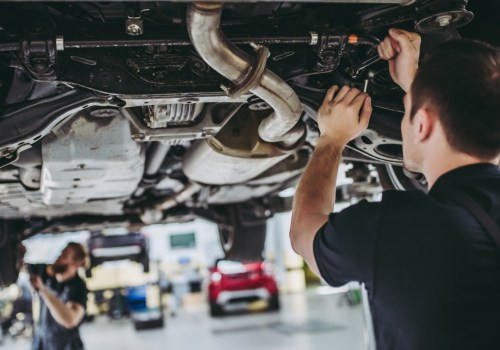
When it comes to maintaining your vehicle, one of the most critical aspects that often gets overlooked is the tune-up. Many car owners may not fully understand what a tune-up entails or why it is essential for their vehicle's health. A tune-up is not merely a routine check; it is a comprehensive service designed to ensure that your car operates at peak performance. By addressing various components of your vehicle, a tune-up can significantly enhance its efficiency, reliability, and longevity.Regular tune-ups play a vital role in preventing minor issues from escalating into major problems.
Just like regular check-ups are important for our health, tune-ups are crucial for the well-being of your car. They help identify potential issues before they become serious, saving you both time and money in the long run. For instance, worn-out spark plugs can lead to poor fuel economy and increased emissions, while neglected filters can affect engine performance. By investing in regular tune-ups, you are essentially investing in the overall health of your vehicle.Moreover, a well-maintained vehicle not only performs better but also provides a safer driving experience.
Regular tune-ups can improve your car's handling and braking capabilities, ensuring that you and your passengers remain safe on the road. Additionally, a car that runs smoothly is less likely to break down unexpectedly, giving you peace of mind during your travels. In this article, we will delve deeper into the various components involved in a tune-up and explore how they contribute to enhancing your vehicle's performance and extending its lifespan.
What is a Vehicle Tune-Up?
A vehicle tune-up is a comprehensive maintenance service designed to ensure that your car operates at peak performance. It involves a series of inspections, adjustments, and replacements of key components that contribute to the overall functionality of the vehicle.Understanding what a tune-up entails is essential for any car owner who wants to maintain their vehicle's health and longevity.Traditionally, a tune-up was associated with older vehicles that required frequent adjustments to their ignition systems and carburetors. However, modern vehicles have evolved significantly, and the definition of a tune-up has adapted accordingly. Today, a tune-up typically focuses on the following critical areas:
- Engine Performance: This includes checking and replacing spark plugs, which are vital for igniting the air-fuel mixture in the engine. Worn or dirty spark plugs can lead to misfires, reduced fuel efficiency, and increased emissions.
- Filters: The air filter and fuel filter are inspected and replaced as needed.
A clean air filter ensures optimal airflow to the engine, while a clean fuel filter prevents contaminants from entering the fuel system.
- Fluids: Various automotive fluids are checked during a tune-up, including engine oil, transmission fluid, brake fluid, and coolant. Maintaining proper fluid levels is crucial for preventing overheating and ensuring smooth operation.
- Belt and Hose Inspection: Belts and hoses are examined for signs of wear or damage. Replacing worn belts and hoses can prevent breakdowns and costly repairs down the line.
- Ignition System: The ignition system components, such as ignition coils and wires, are also inspected. Ensuring these parts are in good condition is essential for reliable engine starting and performance.
The specific services included can vary based on the make and model of your vehicle as well as its age and mileage.In summary, a vehicle tune-up is an essential aspect of car maintenance that helps keep your vehicle running smoothly. By regularly scheduling tune-ups, you can catch potential issues early, improve fuel efficiency, and extend the lifespan of your car.
Key Components of a Tune-Up
When it comes to maintaining your vehicle, understanding the key components involved in a tune-up is essential. Each part plays a significant role in ensuring your car operates efficiently and reliably. Below, we break down the primary components typically included in a tune-up.- Spark Plugs: Spark plugs are crucial for igniting the air-fuel mixture in the engine's combustion chamber.
Over time, they can wear out or become fouled, leading to misfires, reduced fuel efficiency, and poor engine performance. During a tune-up, technicians will inspect the spark plugs for signs of wear and replace them if necessary.
- Air Filter: The air filter prevents dirt and debris from entering the engine. A clogged air filter can restrict airflow, leading to decreased engine performance and increased fuel consumption. Replacing the air filter during a tune-up ensures that your engine receives clean air for optimal combustion.
- Fuel Filter: Similar to the air filter, the fuel filter keeps contaminants from reaching the engine.
A dirty fuel filter can cause poor acceleration and stalling. Regular replacement of the fuel filter is vital for maintaining fuel system efficiency.
- Oxygen Sensor: The oxygen sensor monitors the level of oxygen in the exhaust gases and helps regulate the air-fuel mixture for optimal combustion. A malfunctioning oxygen sensor can lead to increased emissions and poor fuel economy. During a tune-up, this component is checked for proper function.
- PCV Valve: The Positive Crankcase Ventilation (PCV) valve helps reduce harmful emissions by recirculating gases from the crankcase back into the engine for combustion.
A faulty PCV valve can lead to increased oil consumption and engine sludge buildup. It is typically inspected and replaced if necessary during a tune-up.
- Belts and Hoses: Belts and hoses are vital for various engine functions, including cooling, power steering, and charging systems. During a tune-up, these components are inspected for signs of wear, cracking, or fraying to prevent breakdowns on the road.
- Fluids: Various fluids are essential for your vehicle's operation, including engine oil, coolant, brake fluid, transmission fluid, and power steering fluid. A comprehensive tune-up includes checking fluid levels and conditions, topping off or replacing fluids as needed to ensure optimal performance.
Each part contributes to overall performance and reliability, making it essential to stay proactive with your car maintenance checklist.
Signs Your Vehicle Needs a Tune-Up
Recognizing the signs that your vehicle needs a tune-up is essential for maintaining its performance and longevity. Ignoring these indicators can lead to more severe issues and expensive repairs down the line. Here are some common symptoms that suggest it might be time to schedule a tune-up:- Decreased Fuel Efficiency: If you notice that you're filling up your gas tank more frequently than usual, it could be a sign that your engine isn't running as efficiently as it should. A tune-up can help restore optimal fuel efficiency by ensuring that components like spark plugs and air filters are in good condition.
- Rough Idling: When your vehicle is idling, it should run smoothly without any noticeable vibrations or sounds.
If you experience rough idling, it may indicate that the engine is misfiring or that there are issues with the fuel system, both of which can be addressed during a tune-up.
- Difficulties Starting the Engine: If your car struggles to start or requires multiple attempts to turn over, this could signal a problem with the ignition system or battery. A comprehensive tune-up will check these systems to ensure they are functioning correctly.
- Warning Lights: Dashboard warning lights, such as the check engine light, should never be ignored. These indicators often point to underlying issues that can be diagnosed and resolved during a tune-up. If you see any warning lights illuminated, it's wise to have your vehicle inspected promptly.
- Unusual Noises: Pay attention to any strange sounds coming from your vehicle, such as knocking or pinging noises.
These sounds can indicate problems with the engine or other critical components, which can often be identified during a tune-up.
- Poor Acceleration: If your vehicle feels sluggish when accelerating or struggles to reach higher speeds, it may be time for a tune-up. This could be due to worn-out spark plugs or fuel filters that need replacement.
The Benefits of Regular Tune-Ups
Regular vehicle tune-ups offer a multitude of benefits that extend beyond mere engine performance.By investing in routine maintenance, vehicle owners can experience significant advantages that contribute to the overall health and longevity of their cars.
1.Improved Fuel Efficiency
One of the most immediate benefits of a regular tune-up is enhanced fuel efficiency. Over time, components such as spark plugs, air filters, and fuel injectors can become dirty or worn out, leading to inefficient combustion. A well-timed tune-up ensures that these parts are cleaned or replaced, allowing your engine to operate more efficiently. This not only saves you money at the pump but also reduces your carbon footprint.
2.Enhanced Engine Performance
A tune-up can significantly improve your vehicle's overall performance.
By addressing issues such as misfiring spark plugs or clogged fuel filters, a tune-up helps restore your engine's power and responsiveness. Drivers often notice smoother acceleration, quieter operation, and improved handling after a comprehensive tune-up. This enhanced performance can make driving more enjoyable and safer.
3.Extended Vehicle Lifespan
Regular maintenance through tune-ups can greatly extend the lifespan of your vehicle. Just like any machine, an engine requires care to function optimally.
By routinely checking and replacing essential components, you can prevent minor issues from escalating into major problems that could lead to costly repairs or even total engine failure. A well-maintained vehicle is likely to last longer and perform better over its lifetime.
4.Cost Savings on Repairs
While some may view tune-ups as an unnecessary expense, they can actually save you money in the long run. Preventive maintenance helps identify potential issues before they become serious problems that require expensive repairs. For instance, replacing worn spark plugs during a tune-up can prevent damage to the ignition system or catalytic converter, which are much more costly to fix.
5.Increased Resale Value
If you plan to sell or trade in your vehicle in the future, maintaining a regular tune-up schedule can enhance its resale value.
A well-documented maintenance history demonstrates to potential buyers that the car has been cared for and is less likely to have hidden issues. This can make your vehicle more attractive in a competitive market.In summary, the benefits of regular tune-ups are clear: improved fuel efficiency, enhanced engine performance, extended lifespan, cost savings on repairs, and increased resale value all contribute to a better driving experience and long-term satisfaction with your vehicle.
How Often Should You Get a Tune-Up?
Determining how often to get a tune-up is essential for maintaining your vehicle's performance and longevity. While many drivers rely on their instincts or general advice, the frequency of tune-ups can vary significantly based on several factors, including the make and model of the vehicle, driving conditions, and manufacturer recommendations.Manufacturer Recommendations
Most vehicle manufacturers provide a maintenance schedule in the owner's manual that outlines when specific services, including tune-ups, should be performed. Typically, a standard recommendation is to have a tune-up every 30,000 to 100,000 miles.
However, this range can differ based on:
- Engine Type: Vehicles with more complex engines may require more frequent tune-ups.
- Fuel Type: Cars that run on premium fuel may have different maintenance needs compared to those using regular gasoline.
- Driving Conditions: Frequent short trips, stop-and-go traffic, or driving in extreme weather can necessitate more regular tune-ups.
Mileage vs. Time
In addition to mileage, time also plays a crucial role in determining when to schedule a tune-up. Even if you haven’t reached the recommended mileage, it’s wise to consider a tune-up every two years. This is particularly important for vehicles that are not driven frequently or are used primarily for short trips.
Over time, components can degrade due to age and environmental factors.
Signs Your Vehicle Needs a Tune-Up
While adhering to a maintenance schedule is vital, being aware of your vehicle's performance can also guide you in determining when a tune-up is necessary. Look out for these signs:
- Decreased Fuel Efficiency: If you notice that you’re filling up more often than usual, it may be time for a tune-up.
- Rough Idling: A shaky or inconsistent idle can indicate that your engine needs attention.
- Difficult Starts: If your vehicle struggles to start or requires multiple attempts, it’s a sign that something may be off.
- Warning Lights: Dashboard warning lights should never be ignored; they often signal that maintenance is needed.
The Bottom Line
Establishing a regular maintenance schedule that includes timely tune-ups is crucial for keeping your vehicle in optimal condition. By following manufacturer guidelines and being attentive to your car's performance, you can ensure that your vehicle remains reliable and efficient for years to come.
DIY vs. Professional Tune-Ups: What You Need to Know
When it comes to maintaining your vehicle, one of the most significant decisions you'll face is whether to perform a DIY tune-up or to seek the help of a professional mechanic.Each option has its own set of advantages and disadvantages, and understanding these can help you make an informed choice that best suits your needs and capabilities.
Pros of DIY Tune-Ups
- Cost Savings: One of the most appealing aspects of a DIY tune-up is the potential for significant cost savings. By handling the maintenance yourself, you can avoid labor costs associated with professional services.
- Learning Experience: Performing your own tune-up can be an educational experience. It allows you to gain a deeper understanding of your vehicle's mechanics, which can be beneficial for future repairs and maintenance.
- Convenience: You can schedule a DIY tune-up at your convenience, without needing to make an appointment or wait for service at a shop.
Cons of DIY Tune-Ups
- Lack of Expertise: Unless you are well-versed in automotive repair, you may not have the knowledge required to identify all potential issues during a tune-up. This could lead to missed problems that could worsen over time.
- Time-Consuming: A DIY tune-up can take significantly longer than anticipated, especially if you encounter unexpected challenges or lack the right tools.
- Warranty Concerns: Some vehicle warranties may require that maintenance be performed by certified professionals.
Failing to adhere to these guidelines could void your warranty.
Benefits of Professional Tune-Ups
- Expertise and Experience: Professional mechanics have extensive training and experience, allowing them to quickly diagnose and address issues that may not be apparent to the average car owner.
- Comprehensive Service: A professional tune-up typically includes a thorough inspection of various systems in your vehicle, ensuring that nothing is overlooked.
- Access to Specialized Tools: Mechanics have access to specialized tools and diagnostic equipment that can enhance the accuracy and efficiency of the tune-up process.
Drawbacks of Professional Tune-Ups
- Higher Costs: The most significant downside to professional services is the cost. Labor charges can add up quickly, making it a more expensive option compared to doing it yourself.
- Scheduling Hassles: You may need to work around the shop's schedule, which can be inconvenient if you have a busy lifestyle.
Common Misconceptions About Tune-Ups
When it comes to vehicle maintenance, tune-ups are often surrounded by a cloud of misconceptions that can lead to neglecting this essential service.Understanding the truth behind these myths is crucial for every vehicle owner who wants to keep their car in optimal condition.
Myth 1: Tune-Ups Are Only Necessary for Older Cars
Many people believe that only older vehicles require regular tune-ups. However, this is far from the truth. Modern cars, equipped with advanced technology and complex systems, also benefit significantly from routine maintenance. In fact, many manufacturers recommend tune-ups at specific intervals, regardless of the vehicle's age.
Ignoring these recommendations can lead to decreased performance and increased repair costs.
Myth 2: A Tune-Up Is Just an Oil Change
Another common misconception is that a tune-up is synonymous with an oil change. While an oil change is a vital part of vehicle maintenance, a tune-up encompasses much more. It includes checking and replacing spark plugs, inspecting filters, and evaluating various engine components. This comprehensive approach ensures that all aspects of your vehicle's performance are optimized.
Myth 3: You Can Skip Tune-Ups If Your Car Runs Smoothly
Some drivers think that if their car seems to be running fine, they can skip a tune-up.
This is a dangerous assumption. Many issues can develop gradually without noticeable symptoms until they become severe. Regular tune-ups help identify potential problems early on, preventing costly repairs down the line.
Myth 4: Tune-Ups Are Too Expensive
The perception that tune-ups are costly can deter many from scheduling them. However, when you consider the long-term savings associated with regular maintenance—such as improved fuel efficiency and reduced risk of major repairs—the investment becomes worthwhile.
In fact, neglecting tune-ups can lead to more significant expenses in the future.
Myth 5: All Vehicles Require the Same Tune-Up Services
Lastly, some believe that all vehicles undergo the same tune-up procedures. In reality, each make and model has unique requirements based on its design and technology. It's essential to consult your owner's manual or a professional mechanic to understand what specific services your vehicle needs during a tune-up.By debunking these common myths about tune-ups, vehicle owners can make informed decisions about their car's maintenance needs. Prioritizing regular tune-ups not only enhances performance but also extends the lifespan of your vehicle.
Conclusion: The Essential Role of Tune-Ups in Vehicle Care
In summary, the significance of regular vehicle tune-ups cannot be overstated.These essential maintenance services play a pivotal role in ensuring that your car operates at peak performance while also extending its lifespan. By addressing key components such as spark plugs, filters, and fluids, a tune-up not only enhances your vehicle's efficiency but also helps prevent more serious issues from developing down the line.Throughout this article, we have explored various aspects of what a tune-up entails and why it is crucial for every vehicle owner. Regular inspections and replacements of vital parts can lead to:
- Improved Fuel Efficiency: A well-tuned engine burns fuel more efficiently, which translates to savings at the pump.
- Enhanced Performance: A tune-up can restore lost power and responsiveness, making your driving experience more enjoyable.
- Increased Reliability: By identifying and addressing potential problems early, you can avoid unexpected breakdowns and costly repairs.
- Longer Vehicle Lifespan: Regular maintenance helps keep your car in good condition, allowing it to serve you well for many years.
Following the manufacturer's recommended maintenance schedule is also vital in ensuring that your vehicle receives the care it needs.Ultimately, investing in regular tune-ups is an investment in your vehicle's future. It not only enhances your driving experience but also contributes to overall road safety. As you prioritize your vehicle's maintenance, remember that a little attention today can lead to significant benefits tomorrow. Make tune-ups a regular part of your vehicle care routine, and enjoy the peace of mind that comes with knowing your car is in optimal condition.