A car tune-up is a vital aspect of vehicle maintenance that ensures your automobile runs smoothly and efficiently. Traditionally, the term "tune-up" referred to a series of adjustments and replacements made to an engine to optimize its performance. However, as automotive technology has evolved, so too has the definition of a tune-up. Today, it encompasses a broader range of services designed to keep your vehicle in peak condition, including inspections, fluid changes, and component replacements.The importance of regular tune-ups cannot be overstated.
They play a crucial role in extending the lifespan of your vehicle and enhancing its overall performance. By addressing minor issues before they escalate into major problems, tune-ups can save you significant time and money in repairs down the line. Moreover, a well-maintained car is not only more reliable but also more fuel-efficient, which can lead to substantial savings at the pump.In addition to improving performance and reliability, there are numerous benefits associated with regular tune-ups. For instance, they can help maintain optimal engine health by ensuring that all components are functioning correctly.
This includes checking spark plugs, air filters, and fuel injectors, which are essential for efficient combustion. Furthermore, tune-ups often involve inspecting critical systems such as brakes and suspension, contributing to overall safety on the road. Ultimately, investing in regular tune-ups is an investment in your vehicle's longevity and your peace of mind.
Signs Your Car Needs a Tune-Up
Recognizing the signs that your car needs a tune-up is essential for maintaining its performance and longevity. Ignoring these indicators can lead to more significant issues down the road, potentially resulting in costly repairs.Here are some common symptoms that suggest it might be time for a tune-up:
- Decreased Fuel Efficiency: If you notice that your car is consuming more fuel than usual, it could be a sign that the engine is not running optimally. A tune-up can help restore fuel efficiency by ensuring that components like spark plugs and air filters are functioning correctly.
- Rough Idling: When your vehicle idles roughly or shakes while stopped, it may indicate that the engine is misfiring. This can be caused by worn-out spark plugs or ignition components, which are typically addressed during a tune-up.
- Engine Warning Light: The check engine light can illuminate for various reasons, but if it stays on consistently, it’s a clear signal that your car needs attention. A professional diagnostic during a tune-up can pinpoint the issue.
- Difficulty Starting: If your car struggles to start or requires multiple attempts to turn over, it may be time for a tune-up.
This could be due to issues with the battery, spark plugs, or fuel system.
- Unusual Noises: Pay attention to any strange sounds coming from your engine, such as knocking or pinging. These noises can indicate underlying problems that should be addressed during a tune-up.
- Excessive Exhaust Emissions: If you notice an increase in exhaust smoke or unusual colors in the exhaust (like blue or black smoke), this could signal an engine problem that requires immediate attention.
How Often Should You Get a Tune-Up?
Determining how often to get a tune-up for your vehicle is essential for maintaining its performance and longevity.The frequency of tune-ups can vary significantly based on several factors, including the age of your car, its make and model, and the driving conditions you typically encounter.
1.Vehicle Age and Technology
Older vehicles, particularly those manufactured before the 1990s, generally require more frequent tune-ups. These cars often rely on simpler mechanical systems that can wear out more quickly. For these models, a tune-up every 10,000 to 12,000 miles is advisable. In contrast, modern vehicles equipped with advanced technology such as electronic ignition systems and fuel injection can often go longer between tune-ups—typically ranging from 25,000 to 100,000 miles.
2.Manufacturer Recommendations
Always refer to your vehicle's owner manual for specific recommendations regarding tune-up intervals.
Manufacturers provide guidelines based on extensive testing and engineering data tailored to each model. Following these recommendations ensures that you maintain your vehicle's warranty and performance standards.
3.Driving Conditions
Your driving habits and conditions also play a crucial role in determining how often you should schedule a tune-up. If you frequently drive in stop-and-go traffic, on rough roads, or in extreme weather conditions, your vehicle may require more frequent maintenance. In such cases, consider scheduling a tune-up every 15,000 to 20,000 miles.
4.Signs Your Vehicle Needs a Tune-Up
- Poor fuel efficiency
- Engine misfires or rough idling
- Difficulty starting the engine
- Unusual noises from the engine
- Check engine light illuminated
5.Regular Maintenance Checks
In addition to scheduled tune-ups, regular maintenance checks are vital.
Routine inspections of components such as spark plugs, air filters, and fuel filters can help identify issues before they escalate into more significant problems. Keeping an eye on these elements can extend the intervals between major tune-ups.In summary, while the general guidelines for tune-up frequency can provide a good starting point, it's essential to consider your specific vehicle's needs and driving conditions. By staying proactive about maintenance, you can ensure that your car remains in optimal condition for years to come.
The Different Types of Tune-Ups
When it comes to maintaining your vehicle, understanding the different types of tune-ups is essential. Tune-ups can be broadly categorized into two main types: major and minor tune-ups.Each type serves a specific purpose and includes various services that help keep your car running smoothly.
Major Tune-Ups
A major tune-up is typically more comprehensive and is recommended less frequently than a minor tune-up. This type of service is designed to address significant components of your vehicle's engine and overall performance. Here are some key elements included in a major tune-up:- Spark Plug Replacement: Over time, spark plugs can wear out, leading to poor engine performance. Replacing them ensures optimal ignition and fuel efficiency.
- Fuel Filter Replacement: A clogged fuel filter can restrict fuel flow, affecting engine performance.
Replacing it during a major tune-up helps maintain proper fuel delivery.
- Air Filter Replacement: A clean air filter is crucial for optimal engine performance. It prevents dirt and debris from entering the engine, which can cause damage over time.
- Timing Belt Inspection: The timing belt plays a vital role in synchronizing the engine's components. Inspecting or replacing it during a major tune-up can prevent catastrophic engine failure.
- Fluid Checks and Changes: This includes checking and replacing essential fluids such as coolant, transmission fluid, and brake fluid to ensure all systems are functioning properly.
Minor Tune-Ups
A minor tune-up is generally less extensive and focuses on routine maintenance tasks that help keep your vehicle in good condition between major services. Here’s what you can expect during a minor tune-up:- Oil Change: Regular oil changes are critical for engine health.
During a minor tune-up, the oil and oil filter are replaced to ensure proper lubrication.
- Tire Rotation: Rotating your tires helps promote even wear, extending their lifespan and improving handling.
- Battery Check: The battery's condition is assessed to ensure it holds a charge effectively, preventing unexpected breakdowns.
- Brake Inspection: Checking the brake pads and rotors for wear ensures that your braking system remains safe and effective.
Key Components of a Tune-Up
A comprehensive tune-up involves several critical components that work together to ensure your vehicle operates smoothly and efficiently. Understanding these components can help you appreciate the importance of regular maintenance and the specific tasks that should be performed during a tune-up.- Spark Plugs: One of the most vital elements of a tune-up is the inspection and replacement of spark plugs. These small devices ignite the air-fuel mixture in the engine's cylinders, and worn or dirty spark plugs can lead to poor fuel economy, rough idling, and difficulty starting the engine.
Depending on your vehicle, spark plugs should typically be replaced every 30,000 to 100,000 miles.
- Ignition System: The ignition system includes components such as ignition coils, wires, and distributors. During a tune-up, these parts are checked for wear and functionality. A malfunctioning ignition system can cause misfires, reduced power, and increased emissions.
- Air Filter: The air filter plays a crucial role in maintaining engine performance by ensuring that clean air enters the combustion chamber. A clogged air filter can restrict airflow, leading to decreased power and fuel efficiency.
It’s advisable to replace the air filter every 15,000 to 30,000 miles or as recommended by your vehicle’s manufacturer.
- Fuel Filter: Similar to the air filter, the fuel filter prevents contaminants from entering the engine. A dirty fuel filter can lead to poor engine performance and may even cause damage over time. Regular replacement is essential for optimal fuel flow.
- Fluids Check: A thorough tune-up includes checking all essential fluids such as engine oil, coolant, brake fluid, transmission fluid, and power steering fluid. Each of these fluids plays a vital role in your vehicle's operation and safety.
Low or dirty fluids can lead to serious mechanical issues.
- Belt and Hose Inspection: Belts and hoses are critical for various engine functions. During a tune-up, it’s important to inspect them for signs of wear or damage. Cracked belts or leaking hoses can lead to overheating or other serious problems if not addressed promptly.
- Tire Condition: While not always included in a traditional tune-up, checking tire condition is essential for safety and performance. Properly inflated and well-maintained tires improve handling and fuel efficiency.
By ensuring that they are regularly checked and maintained during a tune-up, you can help prevent costly repairs down the line and keep your car running smoothly for years to come.
DIY vs Professional Tune-Ups: Which is Right for You?
When it comes to car maintenance, one of the most significant decisions you’ll face is whether to perform a tune-up yourself or to enlist the help of a professional mechanic. Each option has its own set of advantages and disadvantages, and understanding these can help you make an informed choice based on your skills, comfort level, and budget.Advantages of DIY Tune-Ups
- Cost Savings: One of the most appealing aspects of a DIY tune-up is the potential for significant cost savings. By doing the work yourself, you can avoid labor costs that can add up quickly at a shop.
- Learning Experience: Performing your own tune-up can be an educational experience. It allows you to gain a deeper understanding of your vehicle’s mechanics, which can be beneficial for future repairs.
- Flexibility: You can choose when to perform the tune-up based on your schedule.
There’s no need to book an appointment or wait for a mechanic to become available.
- Satisfaction: Successfully completing a tune-up on your own can provide a sense of accomplishment and pride in your ability to maintain your vehicle.
Disadvantages of DIY Tune-Ups
- Time-Consuming: Depending on your skill level and the complexity of the tune-up, it can take a considerable amount of time. If you’re not familiar with the process, it may take longer than expected.
- Lack of Expertise: If you’re not experienced in automotive repair, there’s a risk of making mistakes that could lead to further issues down the line.
- Limited Tools: A proper tune-up may require specialized tools that you might not have on hand, which could add to your overall costs.
Advantages of Professional Tune-Ups
- Expertise: Professional mechanics have extensive training and experience. They are familiar with various makes and models and can quickly identify issues that may not be apparent to an untrained eye.
- Warranty Protection: Many professional services offer warranties on their work, providing peace of mind that if something goes wrong, it will be taken care of without additional costs.
- Time Efficiency: A professional can often complete a tune-up much faster than an amateur due to their experience and access to specialized tools.
Disadvantages of Professional Tune-Ups
- Higher Costs: The most significant downside is often the cost. Labor charges can make professional tune-ups expensive, especially if multiple services are needed.
- Lack of Personal Touch: When you take your car to a shop, you may not receive the same level of personalized attention as you would if you were doing it yourself.
If you have some mechanical knowledge and enjoy working on cars, a DIY approach might be rewarding. However, if you're unsure about your skills or simply prefer convenience, hiring a professional could be the best route for ensuring your vehicle remains in top condition.
Cost of Car Tune-Ups: What to Expect
Understanding the cost of car tune-ups is essential for any vehicle owner looking to maintain their car's performance and longevity. The price of a tune-up can vary significantly based on several factors, including the make and model of your vehicle, the type of services included, and your geographical location.On average, you can expect to pay anywhere from $50 to $150 for a basic tune-up. This typically includes essential services such as replacing spark plugs, checking and adjusting ignition timing, and inspecting various engine components.However, if your vehicle requires more extensive work, such as replacing fuel filters or performing a complete diagnostic check, the cost can rise to between $200 and $500 .
Factors Affecting Tune-Up Costs
- Vehicle Make and Model: Luxury or high-performance vehicles often require specialized parts and expertise, which can increase the overall cost.
- Type of Services Required: A standard tune-up may only involve basic checks and replacements, while a comprehensive service could include additional tasks like fluid changes or emissions testing.
- Location: Labor rates can vary widely depending on where you live. Urban areas may have higher costs due to increased demand for automotive services.
- Service Provider: Dealerships typically charge more than independent mechanics. However, they may offer specialized knowledge for specific brands.
Additionally, always consult your vehicle's owner manual for manufacturer-recommended service intervals and costs associated with those services.In conclusion, while the average price for a tune-up can vary based on multiple factors, being informed about what to expect can help you make better decisions regarding your vehicle's maintenance. Regular tune-ups not only enhance performance but also save you money in the long run by preventing more significant issues from arising.
Maintaining Your Vehicle Between Tune-Ups
Maintaining your vehicle between tune-ups is essential for ensuring its longevity and performance. Regular upkeep can prevent minor issues from escalating into major problems, saving you time and money in the long run. Here are some practical tips to help you care for your car effectively:- Check Fluid Levels Regularly: Engine oil, coolant, brake fluid, transmission fluid, and windshield washer fluid are vital for your vehicle's operation.
Make it a habit to check these levels monthly. If any fluids are low, top them off or seek professional assistance if you notice leaks.
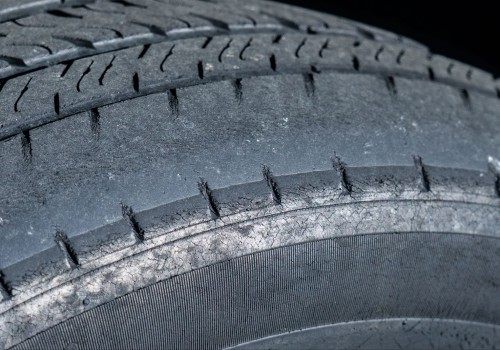
- Inspect Tires: Your tires are the only contact between your vehicle and the road. Regularly check tire pressure and tread depth. Under-inflated tires can lead to poor fuel efficiency and increased wear.
Rotate your tires every 5,000 to 7,500 miles to promote even wear.
- Replace Worn Wipers: Visibility is crucial for safe driving. Inspect your windshield wipers every few months and replace them if they leave streaks or miss spots on the glass. This simple maintenance task can significantly enhance your driving safety.
- Keep the Battery Clean: A clean battery is essential for reliable starts. Check for corrosion on battery terminals and clean them with a mixture of baking soda and water if necessary.
Additionally, ensure that the battery is securely mounted to prevent vibrations that can cause damage.
- Monitor Brake Performance: Pay attention to how your brakes feel and sound. If you notice any unusual noises or a decrease in responsiveness, have them inspected immediately. Regular brake checks can prevent costly repairs down the line.
- Maintain the Interior and Exterior: Regular cleaning of both the interior and exterior of your vehicle not only keeps it looking good but also protects it from rust and wear. Waxing your car every few months helps protect the paint from UV rays and environmental contaminants.
Remember that preventative maintenance is key; addressing small issues early can prevent them from becoming larger, more expensive problems later on.
Frequently Asked Questions About Car Tune-Ups
When it comes to car maintenance, tune-ups often spark a lot of questions and misconceptions. Below are some of the most frequently asked questions regarding car tune-ups, along with clear answers to help you better understand this essential aspect of vehicle care.What exactly is a car tune-up?
A car tune-up is a series of maintenance tasks performed on a vehicle to ensure it runs efficiently and reliably. This can include replacing spark plugs, checking and adjusting ignition timing, inspecting the fuel system, and changing filters. The goal is to enhance performance, improve fuel efficiency, and extend the lifespan of your vehicle.How often should I get a tune-up?
The frequency of tune-ups can vary significantly based on your vehicle's make and model.Generally, modern cars require a major tune-up every 25,000 to 100,000 miles. However, it’s crucial to consult your owner’s manual for specific recommendations tailored to your vehicle.
Are tune-ups still necessary for newer cars?
Yes, even though newer vehicles are designed with advanced technology that reduces the need for frequent tune-ups, they still require periodic maintenance. Regular checks on components like spark plugs and filters are essential to maintain optimal performance.What are some common myths about car tune-ups?
- Myth: Tune-ups are only needed for older cars.
Fact: All vehicles benefit from regular maintenance, regardless of age. - Myth: A tune-up is just an oil change.
Fact: While oil changes are part of the process, a complete tune-up involves multiple checks and replacements. - Myth: You can skip a tune-up if your car seems to be running fine.
Fact: Preventive maintenance is key; issues may not be apparent until they become serious.
What signs indicate that my car needs a tune-up?
If you notice any of the following symptoms, it may be time for a tune-up:- Poor fuel economy
- Engine misfires or rough idling
- Diminished acceleration
- Unusual engine noises
- Check engine light illuminated
Conclusion: Keeping Your Car in Top Shape with Regular Tune-Ups
In conclusion, maintaining your vehicle through regular tune-ups is essential for ensuring its longevity and optimal performance.As we have discussed, the frequency and type of tune-up required can vary significantly based on the make and model of your car, as well as its age and driving conditions. Understanding these factors can help you make informed decisions about when to schedule your next service.Regular tune-ups not only enhance your car's performance but also contribute to safety on the road. A well-maintained vehicle is less likely to experience breakdowns or malfunctions, which can lead to dangerous situations. By adhering to a consistent maintenance schedule, you can identify potential issues before they escalate into costly repairs.Moreover, a comprehensive tune-up typically includes several critical procedures such as:
- Oil Changes: Essential for engine health, these should be performed every 5,000 to 7,500 miles.
- Filter Replacements: Air and fuel filters should be checked and replaced as needed to ensure optimal airflow and fuel efficiency.
- Spark Plug Inspection: Worn or dirty spark plugs can lead to poor engine performance and should be replaced according to your vehicle's maintenance schedule.
- Tire Rotation and Alignment: Regularly rotating your tires and checking alignment can improve handling and extend tire life.
- Fluid Checks: Regularly inspecting and topping off fluids such as coolant, brake fluid, and transmission fluid is crucial for overall vehicle health.
Not only does it enhance your vehicle's performance, but it also ensures safety, reliability, and efficiency. Always refer to your owner's manual for specific recommendations tailored to your vehicle, and don’t hesitate to consult with a trusted mechanic if you have any questions or concerns about your car's maintenance needs.By committing to a routine maintenance plan that includes regular tune-ups, you are investing in the health of your vehicle and the safety of everyone who rides in it. Keep your car in top shape, and it will reward you with years of dependable service.