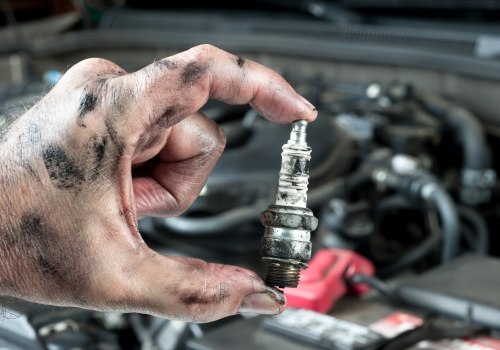
Vehicle tuning is a critical aspect of automotive maintenance that often goes overlooked by many car owners. At its core, vehicle tuning refers to a series of adjustments and services performed on a vehicle to enhance its performance, efficiency, and longevity. This process can involve everything from simple inspections to more complex modifications aimed at optimizing engine performance. Understanding what vehicle tuning entails is essential for anyone looking to maintain their car in peak condition. When we talk about a tune-up, we are referring to a comprehensive service that typically includes the inspection and replacement of key components such as spark plugs, air filters, and fuel injectors.
These parts play a vital role in how efficiently your engine operates. Over time, they can become worn or clogged, leading to decreased performance and increased fuel consumption. Regular tuning helps ensure that these components are functioning optimally, which can lead to significant improvements in fuel economy and overall vehicle performance. The benefits of vehicle tuning extend beyond just improved fuel efficiency. A well-tuned vehicle can experience enhanced acceleration, smoother operation, and reduced emissions.
This not only contributes to a more enjoyable driving experience but also supports environmental sustainability by lowering the carbon footprint of your vehicle. Moreover, regular tuning can help identify potential issues before they escalate into costly repairs, ultimately saving you time and money in the long run. In summary, understanding vehicle tuning is crucial for any car owner who wants to ensure their vehicle remains reliable and efficient. By investing in regular tune-ups, you are not only enhancing your car's performance but also prolonging its lifespan and contributing positively to the environment. As we delve deeper into the specific benefits of vehicle tuning in the following sections, it becomes clear that this maintenance practice is not just an option; it is a necessity for optimal vehicle health.
The Importance of Regular Tune-Ups
Regular tune-ups are a cornerstone of effective vehicle maintenance, playing a crucial role in ensuring that your car operates at its best.Just like any machine, a vehicle requires periodic checks and adjustments to maintain optimal performance. Neglecting these essential services can lead to a cascade of issues that not only affect your car's efficiency but can also result in costly repairs down the line.One of the primary reasons for scheduling regular tune-ups is to enhance car performance. Over time, components such as spark plugs, air filters, and fuel injectors can become dirty or worn out. This degradation can lead to misfires, reduced acceleration, and overall sluggishness.
By replacing these parts during a tune-up, you ensure that your engine runs smoothly and efficiently, allowing for better acceleration and responsiveness.Moreover, regular tune-ups significantly contribute to fuel efficiency. A well-maintained engine burns fuel more effectively, which translates to fewer trips to the gas station and lower fuel expenses. For instance, a clean air filter allows for better airflow into the engine, while new spark plugs ensure that fuel is ignited properly. Together, these improvements can lead to noticeable savings over time.In addition to performance and efficiency, regular tune-ups help in identifying potential problems before they escalate into major repairs.
During a comprehensive inspection, mechanics can spot issues such as leaks or worn belts that might not be immediately apparent. Addressing these concerns early on can save you from unexpected breakdowns and expensive repair bills.Furthermore, maintaining your vehicle through regular tune-ups is essential for safety. A well-tuned car is less likely to experience mechanical failures that could lead to accidents. For example, ensuring that brakes are functioning correctly and that tires are properly inflated can prevent dangerous situations on the road.In summary, the importance of regular tune-ups cannot be overstated.
They not only enhance car performance and fuel efficiency but also extend the lifespan of your vehicle while ensuring safety on the road. By investing in routine maintenance, you are ultimately protecting your investment and ensuring a smoother driving experience.
Key Benefits of Regular Vehicle Tuning
Regular vehicle tuning offers a multitude of benefits that can significantly enhance your driving experience and the longevity of your car. Below are some of the key advantages associated with routine tune-ups:- Improved Fuel Efficiency: One of the most immediate benefits of a tune-up is the enhancement of fuel efficiency. Over time, components such as spark plugs, air filters, and fuel injectors can become dirty or worn out, leading to inefficient fuel combustion.
By replacing these parts during a tune-up, your vehicle can operate more efficiently, allowing it to extract more energy from each drop of fuel. This not only saves you money at the pump but also reduces your carbon footprint.
- Enhanced Engine Performance: A well-tuned engine runs smoother and responds better to acceleration. Regular tune-ups help maintain optimal engine performance by ensuring that all components are functioning correctly. This includes checking the ignition system, fuel system, and exhaust system.
When these systems are in top condition, you can expect improved acceleration, better throttle response, and an overall more enjoyable driving experience.
- Extended Vehicle Lifespan: Just like any other machine, your vehicle requires regular maintenance to function optimally. A comprehensive tune-up can help identify potential issues before they escalate into major problems. By addressing these concerns early on, you can avoid costly repairs down the line and extend the lifespan of your vehicle.
- Reduced Emissions: Regular tuning not only benefits your vehicle but also contributes positively to the environment. A well-maintained engine burns fuel more completely, which leads to lower emissions of harmful pollutants.
This is particularly important in today’s world where environmental concerns are at the forefront of automotive discussions.
- Increased Resale Value: If you plan to sell or trade in your vehicle in the future, maintaining a regular tune-up schedule can significantly increase its resale value. A car that has been well cared for and regularly serviced is more attractive to potential buyers and can command a higher price.
Components Involved in a Tune-Up
Understanding the specific components involved in a tune-up is crucial for appreciating the thoroughness of this essential vehicle maintenance service. A comprehensive tune-up typically includes the inspection and replacement of several key parts that play a vital role in your vehicle's performance.- Spark Plugs: These are critical for igniting the air-fuel mixture in the engine.
Over time, spark plugs can wear out, leading to misfires, reduced fuel efficiency, and poor acceleration. Replacing them during a tune-up ensures optimal engine performance.
- Air Filters: The air filter prevents dirt and debris from entering the engine. A clogged air filter can restrict airflow, negatively impacting fuel efficiency and engine power. During a tune-up, mechanics will replace or clean the air filter to maintain proper airflow.
- Fuel Injectors: These components are responsible for delivering fuel to the engine.
Dirty or malfunctioning fuel injectors can lead to poor fuel atomization, resulting in decreased performance and increased emissions. Cleaning or replacing them during a tune-up can significantly enhance engine efficiency.
- Ignition Wires: These wires connect the ignition coil to the spark plugs. Over time, they can become brittle or damaged, leading to misfires and poor engine performance. Inspecting and replacing worn ignition wires is an important part of a thorough tune-up.
- PCV Valve: The Positive Crankcase Ventilation (PCV) valve helps regulate engine pressure and reduce harmful emissions.
A malfunctioning PCV valve can lead to increased oil consumption and engine sludge. Replacing it during a tune-up helps maintain engine health.
- Battery Condition: While not always replaced during a tune-up, checking the battery's condition is essential. A weak battery can lead to starting issues and electrical problems. Mechanics will inspect battery terminals and connections for corrosion and ensure that the battery is functioning properly.
Regularly replacing these fluids helps prevent wear on various systems within your vehicle.By understanding these components involved in a tune-up, vehicle owners can better appreciate the importance of this maintenance service. Regular inspections and replacements not only enhance performance but also extend the lifespan of your vehicle.
How Often Should You Get a Tune-Up?
Determining how often to schedule a tune-up is crucial for maintaining your vehicle's performance and longevity. The frequency of tune-ups can vary significantly based on several factors, including the make and model of your car, driving conditions, and your driving habits.Manufacturer Recommendations
- Most vehicle manufacturers provide specific guidelines in the owner's manual regarding the recommended intervals for tune-ups. These recommendations are based on extensive testing and are tailored to the unique needs of each vehicle.
- Typically, many manufacturers suggest a tune-up every 30,000 to 100,000 miles.
However, this can vary widely, so it’s essential to consult your manual for precise information.
Driving Conditions
- If you frequently drive in harsh conditions—such as extreme temperatures, heavy traffic, or on rough roads—you may need to schedule tune-ups more often than the standard recommendation.
- For example, stop-and-go traffic can put additional strain on your engine and other components, leading to a quicker decline in performance.
Your Driving Habits
- Your personal driving style also plays a role in determining when to get a tune-up. Aggressive driving, such as rapid acceleration and hard braking, can lead to increased wear on engine components.
- If you tend to drive less frequently or only for short distances, your vehicle may also require more frequent maintenance checks since short trips can prevent the engine from reaching optimal operating temperature.
Signs That Indicate a Tune-Up is Needed
- In addition to following the recommended schedule, be attentive to signs that your vehicle may need a tune-up sooner. These signs include:
- Poor fuel efficiency
- Difficulty starting the engine
- Rough idling or stalling
- Decreased acceleration or power
- Unusual noises from the engine
Signs Your Vehicle Needs a Tune-Up
Recognizing the signs that your vehicle needs a tune-up is crucial for maintaining its performance and longevity.Ignoring these symptoms can lead to more severe issues and costly repairs down the line. Here are some common indicators that it may be time to schedule a tune-up:
- Decreased Fuel Efficiency: If you notice that you're filling up your gas tank more frequently than usual, it could be a sign that your engine isn't running as efficiently as it should. A tune-up can help restore optimal fuel consumption by addressing issues like clogged air filters or worn spark plugs.
- Rough Idling: When your vehicle is idling, it should run smoothly without any vibrations or unusual noises. If you experience rough idling, it may indicate problems with the ignition system or fuel delivery, both of which can be resolved during a tune-up.
- Engine Misfires: If your engine hesitates or misfires while accelerating, this could signal a problem with the spark plugs or ignition coils.
A timely tune-up can help identify and fix these issues before they escalate.
- Unusual Noises: Any strange sounds coming from your engine, such as knocking or pinging, should not be ignored. These noises can indicate serious problems that require immediate attention, often addressed during a tune-up.
- Check Engine Light: If your check engine light comes on, it's a clear signal that something is amiss. While it could be a minor issue, it's best to have a professional diagnose the problem during a tune-up.
- Poor Acceleration: If your vehicle struggles to accelerate or feels sluggish, this could be due to various factors, including fuel system issues or worn-out components. A comprehensive tune-up can help restore your car's responsiveness.
- Excessive Emissions: Increased exhaust emissions can indicate that your vehicle is not burning fuel efficiently.
A tune-up can help reduce harmful emissions by ensuring that all engine components are functioning correctly.
The Environmental Impact of Regular Tune-Ups
Regular vehicle tuning not only enhances the performance of your car but also plays a significant role in promoting environmental sustainability. As vehicles age, their engines can become less efficient, leading to increased fuel consumption and higher emissions. By investing in regular tune-ups, you can help mitigate these negative effects and contribute to a healthier planet.One of the primary environmental benefits of a well-maintained vehicle is the reduction of harmful emissions.During a tune-up, mechanics inspect and replace critical components such as spark plugs, air filters, and fuel injectors. When these parts are functioning optimally, your engine burns fuel more completely, which results in fewer pollutants being released into the atmosphere. This is particularly important as vehicles are one of the largest sources of greenhouse gas emissions.Moreover, a properly tuned engine operates more efficiently, which means it requires less fuel to achieve the same level of performance. This not only saves you money at the pump but also decreases your carbon footprint.
According to studies, a well-tuned vehicle can improve fuel efficiency by up to 10%, translating into significant reductions in carbon dioxide emissions over time.In addition to reducing emissions, regular tune-ups can also help in minimizing other harmful pollutants such as nitrogen oxides (NOx) and particulate matter. These substances contribute to air quality issues and can have serious health implications for communities. By ensuring that your vehicle is running smoothly, you are actively participating in efforts to improve air quality.Furthermore, eco-conscious vehicle maintenance extends beyond just tune-ups. It encompasses practices such as using environmentally friendly oils and fluids during servicing, recycling old parts, and properly disposing of hazardous materials.
By choosing a mechanic who prioritizes eco-friendly practices, you can amplify the positive impact of your vehicle maintenance routine.In conclusion, regular vehicle tuning is not merely a matter of enhancing performance; it is an essential step towards fostering environmental health. By reducing emissions and improving fuel efficiency, you contribute to cleaner air and a more sustainable future. As responsible vehicle owners, we have the power to make choices that benefit both our cars and the planet.
DIY vs. Professional Tune-Ups: What You Need to Know
When it comes to maintaining your vehicle, one of the most significant decisions you'll face is whether to perform a DIY tune-up or to hire a professional mechanic.Each option has its own set of advantages and disadvantages, and understanding these can help you make an informed choice that best suits your needs.
DIY Tune-Up Tips
For those who are handy and enjoy working on their vehicles, a DIY tune-up can be a rewarding experience. Here are some essential tips to consider:- Research Your Vehicle: Before starting, consult your owner’s manual for specific guidelines on what components need attention during a tune-up.
- Gather the Right Tools: Ensure you have the necessary tools, such as wrenches, screwdrivers, and a spark plug socket. A basic mechanic's toolset can go a long way.
- Replace Spark Plugs: This is often one of the easiest tasks. Make sure to use the correct type of spark plugs for your vehicle.
- Change Air Filters: A clean air filter improves engine efficiency.
This is typically a straightforward task that can be done at home.
- Check Fluid Levels: Regularly inspect and top off fluids like oil, coolant, and brake fluid to keep your vehicle running smoothly.
Professional vs. DIY Tune-Up
While DIY tuning can save money and provide satisfaction, there are instances where professional help is advisable:- Complex Repairs: If your vehicle requires more than basic maintenance—such as timing belt replacements or engine diagnostics—it's best to consult a professional.
- Lack of Time or Tools: If you don’t have the time or proper tools for a thorough tune-up, hiring a mechanic may be more efficient.
- Expertise Matters: Professionals have experience and training that allow them to identify issues that may not be apparent to an untrained eye.
When to Hire a Mechanic for a Tune-Up
If you notice any of the following signs, it may be time to seek professional assistance:- Poor Performance: If your car is experiencing reduced power, poor acceleration, or unusual noises, these could indicate deeper issues that require expert diagnosis.
- Warning Lights: Dashboard warning lights can signal problems that need immediate attention from a qualified technician.
- Lack of Confidence: If you're unsure about performing certain tasks or lack the necessary skills, it's better to leave it to the professionals.
Frequently Asked Questions About Vehicle Tuning
When it comes to vehicle tuning, many car owners have questions and concerns. Understanding the nuances of tune-ups can help demystify the process and encourage better maintenance practices.Below are some frequently asked questions about vehicle tuning that address common misconceptions and provide clarity.
What is a vehicle tune-up?
A vehicle tune-up is a comprehensive maintenance service designed to ensure that your car's engine and related systems are functioning optimally. This typically includes inspecting and replacing key components such as spark plugs, air filters, fuel injectors, and ignition systems. The goal is to enhance performance, improve fuel efficiency, and extend the lifespan of your vehicle.How often should I get a tune-up?
The frequency of tune-ups can vary based on your vehicle's make, model, and driving conditions. Generally, it is recommended to have a tune-up every 30,000 to 100,000 miles.However, consulting your owner's manual for specific recommendations is always best. Additionally, if you notice any performance issues such as rough idling or decreased fuel efficiency, it may be time for a tune-up.
Are tune-ups necessary for modern vehicles?
While modern vehicles are equipped with advanced technology that may reduce the need for frequent tune-ups, they are still essential for maintaining optimal performance. Regular maintenance helps prevent minor issues from escalating into major problems, ensuring your vehicle runs smoothly.What are some common myths about vehicle tuning?
- Myth: Tune-ups are only necessary for older cars.
- Fact: All vehicles benefit from regular maintenance regardless of age.
- Myth: A tune-up is just an oil change.
- Fact: A tune-up involves a comprehensive inspection and replacement of various components beyond just oil.
- Myth: You can skip a tune-up if your car seems to be running fine.
- Fact: Preventative maintenance is crucial; issues may not be apparent until they become serious.
Conclusion: The Long-Term Value of Regular Vehicle Tuning
In summary, the importance of regular vehicle tuning cannot be overstated.As we have explored throughout this article, a tune-up serves as a vital maintenance procedure that not only enhances your vehicle's performance but also contributes to its longevity and efficiency. By addressing key components such as spark plugs, air filters, and fuel injectors, you can significantly improve your car's fuel economy and overall functionality.Moreover, regular tuning helps in identifying potential issues before they escalate into costly repairs. This proactive approach not only saves you money in the long run but also ensures that your vehicle remains reliable and safe on the road. A well-maintained car is less likely to experience breakdowns, which can be both inconvenient and dangerous.Additionally, the environmental benefits of a properly tuned vehicle are noteworthy.
By optimizing fuel combustion and reducing emissions, you are contributing to a cleaner environment. This is particularly important in today’s world where sustainability is becoming increasingly crucial.It is essential to remember that the frequency of tune-ups may vary based on your vehicle's make and model. Always refer to your owner's manual for specific recommendations. Generally, adhering to a schedule of regular maintenance—typically every two years for the first 70,000 miles and annually thereafter—can yield significant benefits.In conclusion, investing in regular vehicle tuning is an investment in your car's future.
The advantages of improved performance, enhanced fuel efficiency, extended lifespan, and reduced environmental impact make it a wise choice for any vehicle owner. Don’t wait for problems to arise; take the initiative to schedule your next tune-up today and enjoy the peace of mind that comes with knowing your vehicle is in optimal condition.