When it comes to maintaining your vehicle, one of the most critical yet often overlooked aspects is the tune-up. A tune-up is not merely a routine check; it is an essential service that ensures your car operates at its peak performance. Regular tune-ups can significantly enhance your vehicle's efficiency, extend its lifespan, and ultimately save you money in the long run. Understanding the importance of these maintenance sessions can empower you as a car owner to make informed decisions about your vehicle's care.At its core, a tune-up involves a comprehensive inspection and adjustment of various components within your vehicle.
This includes checking the engine's spark plugs, fuel injectors, air filters, and ignition systems. Each of these elements plays a vital role in how well your car runs. For instance, worn-out spark plugs can lead to poor fuel economy and increased emissions, while a clogged air filter can restrict airflow, causing your engine to work harder than necessary. By addressing these issues during a tune-up, you not only improve performance but also prevent more severe problems from developing down the line.Moreover, regular tune-ups contribute to better fuel efficiency, which is increasingly important in today's economy.
With rising fuel prices, ensuring that your vehicle runs as efficiently as possible can lead to significant savings over time. Additionally, a well-maintained car is less likely to experience unexpected breakdowns, providing peace of mind for drivers who rely on their vehicles for daily transportation.In summary, the significance of regular vehicle tune-ups cannot be overstated. They are a proactive measure that enhances performance, boosts fuel efficiency, and prolongs the life of your car. As we delve deeper into the various aspects of tune-ups in this article, you'll discover how these essential services can transform your driving experience and keep your vehicle in optimal condition.
What is a Vehicle Tune-Up?
A vehicle tune-up is a comprehensive maintenance service designed to ensure that your car operates efficiently and reliably.It involves a series of checks and adjustments to various components of the vehicle, aimed at enhancing performance, improving fuel efficiency, and extending the lifespan of the engine. Understanding what a tune-up entails is crucial for any vehicle owner who wants to maintain their car in optimal condition.Traditionally, a tune-up was primarily focused on the engine's ignition system, but modern vehicles require a more holistic approach. Here are some key components typically included in a vehicle tune-up:
- Spark Plugs: These are essential for igniting the air-fuel mixture in the engine. Worn or dirty spark plugs can lead to misfires, reduced fuel efficiency, and increased emissions.
- Ignition Wires: These wires connect the spark plugs to the ignition coil.
Over time, they can degrade and cause poor engine performance.
- Air Filter: A clean air filter ensures that the engine receives adequate airflow. A clogged air filter can restrict airflow, leading to decreased power and fuel economy.
- Fuel Filter: This component prevents contaminants from entering the engine. A dirty fuel filter can cause fuel delivery issues, affecting performance.
- PCV Valve: The Positive Crankcase Ventilation valve helps reduce harmful emissions by recirculating gases back into the engine. A malfunctioning PCV valve can lead to increased oil consumption and engine wear.
- Battery Check: Ensuring that your battery is in good condition is vital for reliable starting and overall vehicle performance.
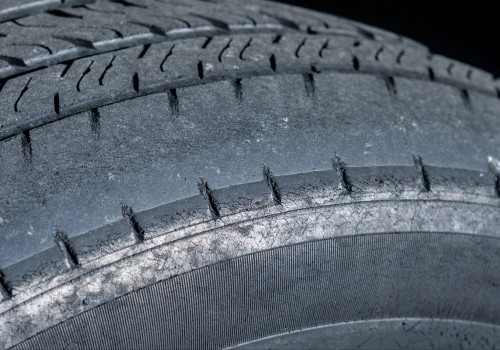
- Tire Pressure and Condition: Properly inflated tires not only improve safety but also enhance fuel efficiency.
A tune-up often includes checking tire pressure and tread depth.
The Benefits of Regular Tune-Ups
Regular vehicle tune-ups offer a multitude of benefits that extend beyond mere performance enhancements. Understanding these advantages can motivate vehicle owners to prioritize their car's maintenance, ensuring a smoother and more reliable driving experience.1.Improved Fuel Efficiency
One of the most immediate benefits of a regular tune-up is improved fuel efficiency.
Over time, components such as spark plugs, air filters, and fuel injectors can become dirty or worn out, leading to inefficient combustion. A well-timed tune-up can restore these components to optimal condition, allowing your engine to operate more efficiently. This not only saves you money at the pump but also reduces your carbon footprint.
2.Enhanced Engine Performance
A vehicle that undergoes regular tune-ups will experience enhanced engine performance. During a tune-up, mechanics check and adjust various engine parameters, ensuring that everything is functioning as it should.
This includes checking the ignition system, fuel system, and exhaust system. As a result, drivers can expect smoother acceleration, improved throttle response, and overall better handling.
3.Extended Vehicle Lifespan
Regular maintenance through tune-ups can significantly extend the lifespan of your vehicle. By addressing minor issues before they escalate into major problems, you can avoid costly repairs and prolong the life of critical components such as the engine and transmission. A well-maintained vehicle is not only more reliable but also retains its value better over time.
4.Prevention of Major Repairs
Neglecting regular tune-ups can lead to severe mechanical failures that require expensive repairs.
For instance, failing to replace worn spark plugs can lead to misfires that may damage the catalytic converter. Regular inspections during a tune-up help identify potential issues early on, allowing for timely interventions that save you from unexpected breakdowns and hefty repair bills.
5.Safety Assurance
Your safety on the road is paramount, and regular tune-ups contribute significantly to this aspect. During a tune-up, mechanics often check critical safety features such as brakes, lights, and steering components. Ensuring these systems are in top condition reduces the risk of accidents caused by mechanical failures.In summary, the benefits of regular tune-ups are clear: improved fuel efficiency, enhanced performance, extended vehicle lifespan, prevention of major repairs, and increased safety on the road.
By prioritizing routine maintenance, you not only enhance your driving experience but also protect your investment in your vehicle.
Signs Your Vehicle Needs a Tune-Up
Recognizing the signs that your vehicle needs a tune-up is essential for maintaining its performance and longevity. Ignoring these indicators can lead to more severe issues down the line, so being proactive is key. Here are some common symptoms that suggest it might be time for a tune-up:- Decreased Fuel Efficiency: If you notice that you're filling up your gas tank more frequently than usual, it could be a sign that your engine isn't running as efficiently as it should. A tune-up can help restore optimal fuel economy by addressing issues like worn spark plugs or clogged fuel injectors.
- Rough Idling: When your vehicle is idling, it should run smoothly without any vibrations or stalling.
If you experience rough idling, it may indicate problems with the ignition system or fuel delivery, both of which can be resolved during a tune-up.
- Difficulty Starting: Struggling to start your car can be frustrating and may point to underlying issues such as a weak battery, faulty spark plugs, or other ignition system problems. A timely tune-up can help diagnose and fix these issues before they escalate.
- Unusual Noises: If you hear strange sounds like knocking, pinging, or backfiring while driving, it's crucial to pay attention. These noises can indicate serious engine problems that require immediate attention and are often addressed during a tune-up.
- Check Engine Light: The check engine light is a warning sign that shouldn't be ignored. It can illuminate for various reasons, from minor issues to significant engine troubles.
A professional inspection during a tune-up can help identify the cause and prevent further damage.
- Poor Acceleration: If your vehicle hesitates or struggles to accelerate when you press the gas pedal, it may be time for a tune-up. This symptom often points to problems with the fuel system or ignition components.
Key Components of a Tune-Up
A comprehensive tune-up involves several key components that work together to ensure your vehicle operates at peak performance.Understanding these elements not only highlights the importance of regular maintenance but also helps you appreciate the thoroughness of the service.
- Spark Plugs: Spark plugs are vital for igniting the air-fuel mixture in your engine's cylinders. Over time, they can wear out, leading to misfires, reduced fuel efficiency, and difficulty starting your vehicle. Regularly replacing spark plugs as part of a tune-up can enhance engine performance and improve fuel economy.
- Air Filters: The air filter plays a crucial role in maintaining the quality of air entering the engine. A clogged or dirty air filter can restrict airflow, causing the engine to work harder and consume more fuel.
During a tune-up, checking and replacing the air filter ensures optimal airflow and contributes to better engine performance.
- Fuel Injectors: Fuel injectors are responsible for delivering fuel to the engine in a precise manner. Over time, they can become clogged with dirt and debris, leading to poor fuel atomization and decreased efficiency. Cleaning or replacing fuel injectors during a tune-up can restore proper fuel flow and enhance overall engine performance.
- Oxygen Sensors: These sensors monitor the level of oxygen in the exhaust gases and help regulate the air-fuel mixture for optimal combustion. A malfunctioning oxygen sensor can lead to increased emissions and reduced fuel efficiency.
Including oxygen sensor checks in a tune-up can prevent these issues and ensure your vehicle runs cleanly.
- Battery and Electrical System: A tune-up often includes testing the battery and electrical components to ensure they are functioning correctly. A weak battery or faulty electrical connections can lead to starting problems and other electrical issues. Regular checks help maintain reliability.
How Often Should You Get a Tune-Up?
Determining how often to get a tune-up is essential for maintaining your vehicle's performance and longevity.While many manufacturers provide general guidelines, the frequency of tune-ups can vary based on several factors, including mileage, driving conditions, and the specific make and model of your vehicle.
Mileage Recommendations
- Most automotive experts recommend that vehicles undergo a tune-up every 30,000 to 100,000 miles. However, this range can differ significantly based on the vehicle's age and technology.
- For older vehicles, a more frequent schedule of every 30,000 miles is advisable, as they may require more regular maintenance to keep them running smoothly.
- Newer models equipped with advanced technology may extend this interval to 100,000 miles or more, but it’s still crucial to consult your owner’s manual for specific recommendations.
Driving Conditions
Your driving habits and the conditions in which you operate your vehicle play a significant role in determining how often you should schedule a tune-up. Here are some scenarios that may necessitate more frequent maintenance:
- Frequent Short Trips: If you often drive short distances, your engine may not reach optimal operating temperature. This can lead to incomplete combustion and increased carbon buildup, necessitating more regular tune-ups.
- Towing or Heavy Loads: Regularly towing trailers or carrying heavy loads can put additional strain on your engine.
If this is part of your routine, consider scheduling tune-ups more frequently.
- Extreme Weather Conditions: Driving in extreme heat or cold can affect engine performance. If you live in an area with harsh weather conditions, it’s wise to have your vehicle checked more often.
Signs That Indicate a Tune-Up is Needed
In addition to following a scheduled maintenance plan, be attentive to signs that may indicate your vehicle needs a tune-up. These include:
- Poor fuel economy
- Difficulty starting the engine
- Rough idling or stalling
- Decreased acceleration or power
- Unusual noises from the engine
The Cost of Neglecting Tune-Ups
Neglecting regular tune-ups can lead to a cascade of financial repercussions that many vehicle owners may not fully appreciate until it’s too late.While the upfront cost of a tune-up might seem like an unnecessary expense, the long-term savings and benefits far outweigh the initial investment.One of the most significant costs associated with skipping tune-ups is the potential for major repairs. When essential components like spark plugs, filters, and fluids are not regularly checked and replaced, they can lead to more severe issues within the engine. For instance, worn-out spark plugs can cause misfires, which may damage the catalytic converter—a component that can cost upwards of $1,000 to replace. In contrast, a simple tune-up that includes spark plug replacement typically costs between $100 and $300.Moreover, neglecting maintenance can result in decreased fuel efficiency.
A vehicle that is not properly tuned can consume significantly more fuel due to inefficient combustion. According to studies, a poorly maintained engine can reduce fuel economy by as much as 25%. This means that over time, you could be spending hundreds of dollars more on gas than necessary. Regular tune-ups help ensure that your vehicle runs efficiently, saving you money at the pump.Additionally, there are hidden costs associated with breakdowns caused by neglecting tune-ups.
If your vehicle breaks down unexpectedly, you may face towing fees, rental car expenses, and lost wages due to missed work. These costs can quickly add up and create a financial burden that could have been avoided with routine maintenance.In summary, the financial impact of neglecting tune-ups extends far beyond the immediate costs of maintenance. By investing in regular tune-ups, you not only enhance your vehicle's performance but also protect yourself from costly repairs and unexpected expenses down the road. Prioritizing your vehicle's health through preventive maintenance is not just wise; it’s a financially sound decision that pays dividends in the long run.
DIY vs.
Professional Tune-Ups: What You Need to KnowWhen it comes to vehicle maintenance, one of the most debated topics is whether to perform a tune-up yourself or to hire a professional mechanic. Both options have their advantages and disadvantages, and understanding these can help you make an informed decision about your vehicle's care.
DIY Tune-Up Tips
If you're considering a DIY approach, there are several tasks you can handle on your own. Here are some essential tips:- Check and Replace Spark Plugs: Spark plugs are crucial for engine performance. Inspect them regularly and replace them if they show signs of wear or corrosion.
- Inspect Air Filters: A clean air filter improves fuel efficiency.
Check your air filter every few months and replace it if it appears dirty or clogged.
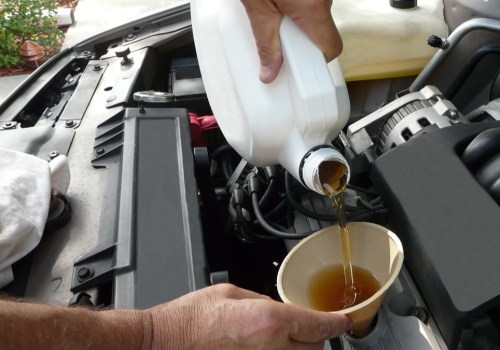
- Change Engine Oil: Regular oil changes are vital for engine health. Follow your vehicle's manual for the recommended oil change intervals.
- Examine Belts and Hoses: Look for cracks or fraying in belts and hoses. Replacing these components can prevent breakdowns.
- Check Tire Pressure: Proper tire pressure enhances fuel efficiency and safety. Use a tire gauge to ensure your tires are inflated to the recommended levels.
Professional vs.
DIY MaintenanceWhile DIY maintenance can save you money, there are situations where professional help is necessary:
- Complex Repairs: If your vehicle requires advanced diagnostics or repairs, such as issues with the fuel injection system or electrical components, it's best to consult a professional.
- Lack of Tools or Experience: Some tasks require specialized tools or knowledge that the average car owner may not possess. In such cases, hiring a mechanic can ensure the job is done correctly.
- Time Constraints: If you're short on time, a professional tune-up can be more efficient, allowing you to focus on other responsibilities.
When to Hire a Mechanic for a Tune-Up
Knowing when to seek professional assistance is crucial for maintaining your vehicle's health. Here are some indicators that it's time to hire a mechanic:- If you notice unusual noises, vibrations, or warning lights on your dashboard, these could be signs of underlying issues that require expert diagnosis.
- If your vehicle is due for a major service as outlined in the owner's manual, such as timing belt replacement or transmission service, it's wise to consult a professional.
- If you've attempted DIY repairs but are unsure about the results or if the problem persists, seeking help from a qualified mechanic can prevent further damage.
Frequently Asked Questions About Vehicle Tune-Ups
When it comes to vehicle maintenance, many car owners have questions about the importance and process of a tune-up.Below are some frequently asked questions that can help clarify common misconceptions and provide valuable insights into maintaining your vehicle's health.
What exactly is a vehicle tune-up?
A vehicle tune-up is a comprehensive maintenance service designed to ensure that your car is running efficiently. It typically includes checking and replacing spark plugs, inspecting the ignition system, adjusting the fuel-air mixture, and examining various engine components. The goal is to enhance performance, improve fuel efficiency, and extend the lifespan of your vehicle.How often should I get a tune-up?
The frequency of tune-ups can vary based on your vehicle's make and model, as well as your driving habits. Generally, it is recommended to have a tune-up every 30,000 to 100,000 miles.However, consulting your owner's manual or a trusted mechanic can provide specific guidance tailored to your vehicle.
What are the signs that my vehicle needs a tune-up?
- Decreased fuel efficiency: If you notice that you're filling up more often than usual, it may be time for a tune-up.
- Rough idling or stalling: If your engine is running unevenly or stalling frequently, this could indicate issues that a tune-up can resolve.
- Difficulty starting: Trouble starting your car can be a sign of worn-out spark plugs or other ignition system problems.
- Check engine light: If this light comes on, it’s wise to have your vehicle checked for potential issues that may require a tune-up.
Are there any myths about tune-ups?
Yes, several myths surround the concept of tune-ups. One common misconception is that they are no longer necessary due to advancements in automotive technology. While modern vehicles may require less frequent tune-ups than older models, they still benefit from regular maintenance. Another myth is that all vehicles require the same type of tune-up; in reality, each make and model has specific needs that should be addressed during maintenance.Understanding these aspects of vehicle tune-ups can empower car owners to make informed decisions about their maintenance routines.Regular attention to these details not only enhances performance but also contributes to the overall safety and reliability of your vehicle.
Conclusion: Prioritizing Your Vehicle's Health with Regular Tune-Ups
In summary, the significance of regular vehicle tune-ups cannot be overstated. As we have explored throughout this article, neglecting these essential maintenance checks can lead to a cascade of issues that not only affect your vehicle's performance but also its overall lifespan. By prioritizing tune-ups, you are investing in the health of your car and ensuring that it operates at peak efficiency.One of the most critical aspects of a tune-up is its role in enhancing fuel efficiency. A well-maintained engine, with fresh spark plugs and clean filters, can significantly improve your vehicle's gas mileage.This not only saves you money at the pump but also reduces your carbon footprint, making it an environmentally friendly choice.Moreover, regular tune-ups help identify potential problems before they escalate into costly repairs. For instance, during a routine check, mechanics can detect issues such as worn-out belts or hoses, which, if left unaddressed, could lead to engine failure or other severe complications. By catching these problems early, you can avoid unexpected breakdowns and the associated stress and inconvenience.Additionally, maintaining a consistent schedule for tune-ups contributes to your vehicle's resale value. A car that has been regularly serviced and well-maintained is more attractive to potential buyers.
It demonstrates that you have taken care of the vehicle, which can lead to higher offers when it comes time to sell or trade in.In conclusion, regular vehicle tune-ups are not merely a suggestion; they are a necessity for anyone who values their car's performance and longevity. By committing to this routine maintenance, you ensure that your vehicle remains reliable, efficient, and safe on the road. Make it a priority to schedule your next tune-up today and experience the benefits firsthand.