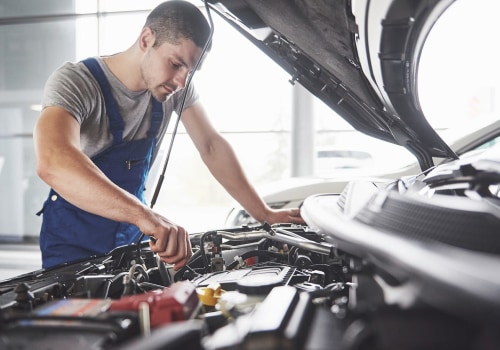
When it comes to vehicle ownership, understanding the concept of regular maintenance is crucial for ensuring your car operates efficiently and lasts for years. Regular maintenance encompasses a variety of tasks designed to keep your vehicle in optimal condition, from simple oil changes to more complex procedures like tune-ups. These tasks not only enhance performance but also prevent potential issues that could lead to costly repairs down the line.The significance of car maintenance cannot be overstated. Just as we schedule routine check-ups for our health, our vehicles require similar attention to function at their best.
Regular maintenance helps identify wear and tear before it escalates into serious problems, ensuring that your car remains reliable and safe on the road. Moreover, adhering to a consistent maintenance schedule can improve fuel efficiency, reduce emissions, and ultimately save you money.In addition to enhancing performance, regular maintenance plays a vital role in preserving the value of your vehicle. A well-maintained car is more appealing to potential buyers and can command a higher resale price. By investing time and resources into maintaining your vehicle, you are not only safeguarding your investment but also contributing to a safer driving experience for yourself and others on the road.As we delve deeper into the various aspects of car maintenance, it becomes clear that understanding the importance of these practices is essential for every car owner.
From routine inspections to specific tasks like tune-ups, each element of regular maintenance contributes significantly to the longevity and reliability of your vehicle.
What is a Tune-Up?
A tune-up is a critical aspect of vehicle maintenance that involves a series of checks and adjustments designed to keep your car running efficiently. While the term may vary in meaning depending on the context, it generally refers to a comprehensive service that addresses various components of your vehicle's engine and performance systems.Traditionally, a tune-up was associated with older vehicles that required regular adjustments to maintain optimal performance. However, even modern cars benefit from this essential service, albeit with different tasks involved. Here’s a breakdown of what a typical car tune-up entails:- Spark Plug Replacement: Spark plugs are vital for igniting the air-fuel mixture in the engine.
Over time, they can wear out or become fouled, leading to poor engine performance and reduced fuel efficiency. Replacing spark plugs is often one of the first steps in a tune-up.
- Air Filter Inspection: The air filter prevents dirt and debris from entering the engine. A clogged air filter can restrict airflow, affecting engine performance. During a tune-up, the air filter is checked and replaced if necessary.
- Fuel Filter Replacement: Similar to the air filter, the fuel filter ensures that contaminants do not enter the fuel system.
A clean fuel filter is essential for maintaining proper fuel flow and engine efficiency.
- Ignition System Check: This includes inspecting ignition coils, wires, and other components to ensure they are functioning correctly. A faulty ignition system can lead to misfires and poor acceleration.
- Fluid Checks: Various fluids in your vehicle, such as oil, coolant, brake fluid, and transmission fluid, are checked during a tune-up. Ensuring these fluids are at appropriate levels and in good condition is crucial for overall vehicle health.
- Belt and Hose Inspection: Belts and hoses can wear out over time due to heat and friction. A thorough inspection during a tune-up can help identify any signs of wear or damage before they lead to more significant issues.
By addressing these components regularly, you can prevent more severe problems down the line that could lead to costly repairs.In summary, understanding what a tune-up involves is essential for any car owner. Regularly scheduled tune-ups not only keep your vehicle running smoothly but also contribute to its longevity and reliability on the road.
Why Regular Tune-Ups are Crucial
Regular tune-ups are essential for maintaining the health and longevity of your vehicle. They serve as a proactive measure to ensure that your car operates efficiently and safely. Here are several key reasons why regular tune-ups are crucial:- Improved Fuel Efficiency: One of the most immediate benefits of a tune-up is enhanced fuel efficiency.
Over time, components such as spark plugs, air filters, and fuel injectors can become dirty or worn out, leading to inefficient combustion. A thorough tune-up addresses these issues, allowing your engine to run more smoothly and consume less fuel. This not only saves you money at the pump but also reduces your carbon footprint.
- Enhanced Performance: A well-maintained vehicle performs better. Regular tune-ups help in optimizing engine performance by ensuring that all components are functioning correctly.
This includes checking the ignition system, adjusting the timing, and ensuring that the exhaust system is clear. As a result, you can expect smoother acceleration, improved handling, and an overall more enjoyable driving experience.
- Prevention of Costly Repairs: Regular maintenance can significantly reduce the likelihood of major repairs down the line. By identifying and addressing minor issues during a tune-up, you can prevent them from escalating into more serious problems that could require expensive repairs or even complete engine replacement. For instance, replacing worn spark plugs can prevent misfires that may damage other engine components.
- Increased Vehicle Lifespan: Just like any other machine, your car benefits from regular care and attention.
A routine tune-up helps extend the lifespan of your vehicle by keeping it in optimal condition. This means fewer breakdowns and a longer time before you need to consider purchasing a new car.
- Safety Assurance: Regular tune-ups also play a critical role in ensuring your safety on the road. During a tune-up, mechanics will inspect vital systems such as brakes, steering, and suspension. Addressing any issues in these areas can prevent accidents caused by mechanical failures.
They not only enhance your vehicle's performance and efficiency but also save you money in the long run by preventing costly repairs. By prioritizing routine maintenance, you ensure that your car remains reliable and safe for years to come.
Signs Your Car Needs a Tune-Up
Recognizing the signs that your car needs a tune-up is essential for maintaining its performance and longevity. Ignoring these indicators can lead to more significant issues down the road, potentially resulting in costly repairs. Here are some common signs that suggest it’s time to schedule a tune-up:- Decreased Fuel Efficiency: If you notice that you’re filling up your gas tank more frequently than usual, it could be a sign that your engine isn’t running as efficiently as it should.
A tune-up can help restore optimal fuel efficiency by ensuring that components like spark plugs and air filters are in good condition.
- Rough Idling: When your car is idling, it should run smoothly without any vibrations or unusual noises. If you experience rough idling or your engine seems to be struggling, it may indicate that a tune-up is necessary to address underlying issues.
- Engine Warning Light: The check engine light on your dashboard is a clear signal that something is amiss. While it could be related to various issues, a tune-up often resolves many common problems that trigger this warning.
- Difficulty Starting: If your car has trouble starting or requires multiple attempts to turn over, it may be time for a tune-up. This could be due to worn-out spark plugs or other ignition system components that need attention.
- Unusual Noises: Pay attention to any strange sounds coming from your engine, such as knocking or pinging noises.
These sounds can indicate problems with the engine’s performance and may necessitate a tune-up.
- Excessive Exhaust Emissions: If you notice an increase in exhaust smoke or unusual colors in the exhaust, such as blue or black smoke, it’s a sign that your engine may not be burning fuel properly. A tune-up can help rectify these issues.
The Tune-Up Process: What to Expect
Understanding the tune-up process is essential for any car owner looking to maintain their vehicle's performance and longevity.A tune-up typically involves a series of checks and adjustments designed to ensure that your car runs smoothly and efficiently. Here’s what you can expect during a standard tune-up.
1.Inspection of Engine Components
The first step in the tune-up process is a thorough inspection of key engine components. This includes:- Spark Plugs: These are crucial for igniting the fuel-air mixture in the engine. During a tune-up, technicians will check for wear and replace them if necessary.
- Ignition Wires: Worn or damaged ignition wires can lead to misfires and poor engine performance.
They are inspected for any signs of wear.
- Air Filter: A clean air filter is vital for optimal engine performance. The technician will check its condition and replace it if it’s clogged or dirty.
- Fuel Filter: Similar to the air filter, a clean fuel filter ensures that your engine receives the right amount of fuel without contaminants.
2.Fluid Checks and Changes
Next, various fluids in your vehicle will be checked and replaced as needed. This includes:- Engine Oil: Old oil can lead to engine wear. The technician will change the oil and replace the oil filter to keep your engine lubricated.
- Coolant: Proper coolant levels are essential for preventing overheating.
The technician will check levels and top off or replace coolant as necessary.
- Brake Fluid: This fluid is critical for safe braking. It will be inspected for moisture content and replaced if it’s contaminated.
3.System Diagnostics
Modern vehicles are equipped with advanced diagnostic systems that can identify issues before they become serious problems. During a tune-up, technicians will often connect a diagnostic tool to your car's computer system to:- Read Error Codes: If there are any issues detected by the onboard computer, these codes can help pinpoint problems.
- Monitor Performance Metrics: Technicians can assess various performance metrics to ensure everything is functioning as it should.
4.Final Adjustments
The final step in the tune-up process involves making any necessary adjustments based on the inspections and diagnostics performed. This may include:- Tuning the Engine: Adjustments may be made to optimize fuel efficiency and performance.
- Tire Pressure Check: Proper tire pressure is crucial for safety and efficiency, so this will also be checked.
How Often Should You Get a Tune-Up?
Determining how often you should get a tune-up is essential for maintaining your vehicle's performance and longevity.While the general recommendation is to have a tune-up every 25,000 to 100,000 miles, several factors can influence this frequency.
1.Vehicle Type:
Different vehicles have varying requirements based on their make and model. For instance, older cars may need more frequent tune-ups compared to newer models equipped with advanced technology. Always refer to your owner’s manual for specific guidelines tailored to your vehicle.
2.Driving Conditions:
Your driving habits play a significant role in determining how often you should schedule a tune-up. If you frequently drive in stop-and-go traffic, on rough roads, or in extreme weather conditions, your vehicle may experience more wear and tear.
In such cases, consider getting a tune-up every 15,000 to 20,000 miles.
3.Engine Performance:
Pay attention to how your engine performs. If you notice symptoms like decreased fuel efficiency, rough idling, or difficulty starting the engine, it may be time for a tune-up sooner than expected. Regularly monitoring these signs can help you catch potential issues early.
4.Maintenance Schedule:
Following the maintenance schedule recommended by your manufacturer is crucial. This schedule typically includes not just tune-ups but also oil changes, filter replacements, and other essential services that contribute to your vehicle's overall health.
5.Seasonal Changes:
Some drivers choose to have a tune-up before major seasonal changes, such as winter or summer.
This proactive approach can help ensure that your vehicle is prepared for the demands of different weather conditions.In summary, while the standard recommendation for a tune-up is every 25,000 to 100,000 miles, factors such as vehicle type, driving conditions, engine performance, and adherence to the maintenance schedule can significantly influence this frequency. By staying vigilant and proactive about your car's needs, you can help ensure its reliability and performance for years to come.
The Cost of Tune-Ups: What to Expect
Understanding the cost of tune-ups is essential for any car owner looking to maintain their vehicle's performance and longevity. While the price can vary significantly based on several factors, having a general idea of what to expect can help you budget effectively for your car maintenance.On average, a standard tune-up can cost anywhere from $40 to $150. However, this range can fluctuate based on the make and model of your vehicle, the type of services included in the tune-up, and your geographical location.Here are some key factors that influence the overall cost:
- Type of Vehicle: Luxury or high-performance vehicles often require specialized parts and expertise, which can drive up the cost. In contrast, standard sedans or compact cars may have lower tune-up costs due to more readily available parts.
- Service Provider: Dealerships typically charge more for tune-ups compared to independent mechanics. While dealerships may offer manufacturer-specific services, independent shops often provide competitive pricing without sacrificing quality.
- Included Services: A basic tune-up might include replacing spark plugs and air filters, while a more comprehensive service could involve checking and adjusting fuel injectors, ignition timing, and other critical components. The more extensive the service, the higher the cost.
- Location: Labor rates can vary widely depending on where you live.
Urban areas with a higher cost of living may see increased prices for both parts and labor compared to rural locations.
DIY vs.
Professional Tune-Ups: Which is Right for You?When it comes to maintaining your vehicle, one of the most significant decisions you'll face is whether to perform a DIY tune-up or to seek the expertise of a professional car service. Each option has its own set of advantages and disadvantages, and understanding these can help you make an informed choice that best suits your needs.
Advantages of DIY Tune-Ups
- Cost Savings: One of the primary benefits of a DIY tune-up is the potential for significant cost savings. By handling the maintenance yourself, you can avoid labor costs associated with professional services.
- Learning Experience: Performing your own tune-up can be an educational experience. It allows you to gain a deeper understanding of your vehicle's mechanics, which can be beneficial for future repairs and maintenance.
- Convenience: You can schedule your DIY tune-up at your convenience, without needing to make an appointment or wait for service at a shop.
Challenges of DIY Tune-Ups
- Skill Level: Not everyone has the mechanical skills or knowledge required to perform a thorough tune-up.
Mistakes can lead to further issues, potentially costing more in repairs.
- Time-Consuming: A DIY tune-up can take significantly longer than anticipated, especially if you encounter unexpected problems or lack the right tools.
- Lack of Warranty: If you perform maintenance incorrectly, it could void warranties on certain parts or systems in your vehicle.
Benefits of Professional Car Service
- Expertise: Professional mechanics have extensive training and experience. They are equipped to identify issues that may not be apparent to an untrained eye.
- Comprehensive Service: A professional service often includes a thorough inspection and additional services that go beyond just a basic tune-up, ensuring that all aspects of your vehicle are in good condition.
- Time Efficiency: Professionals can typically complete a tune-up much faster than an individual working on their own, allowing you to get back on the road sooner.
Considerations for Your Decision
Your choice between a DIY tune-up and professional service should depend on several factors:- Your Skill Level: Assess your comfort level with car maintenance. If you're unsure about your abilities, it may be wise to consult a professional.
- Your Vehicle's Needs: Consider the age and condition of your car. Older vehicles may require more specialized knowledge that professionals can provide.
- Your Budget: Weigh the costs associated with both options.
While DIY may save money upfront, consider potential long-term costs if mistakes are made.
Other Essential Maintenance Tasks Beyond Tune-Ups
While a tune-up is a critical component of vehicle maintenance, it is just one piece of the puzzle when it comes to keeping your car in optimal condition. Regular maintenance encompasses a variety of tasks that work together to ensure your vehicle operates smoothly and efficiently. Here are some essential maintenance tasks that go beyond just tune-ups:- Oil Changes: Regular oil changes are vital for engine health.
Engine oil lubricates moving parts, reduces friction, and helps to cool the engine. Depending on your vehicle and driving conditions, you should change your oil every 3,000 to 7,500 miles.
- Tire Maintenance: Your tires are the only contact your car has with the road, making their maintenance crucial. Regularly check tire pressure, tread depth, and alignment. Rotate your tires every 5,000 to 7,500 miles to promote even wear.
- Brake Inspections: Brakes are essential for safety.
Have them inspected regularly and replace brake pads as needed. Listen for unusual noises or feel for vibrations when braking, as these can indicate issues.
- Fluid Checks: Beyond engine oil, your car relies on various fluids such as coolant, brake fluid, transmission fluid, and power steering fluid. Regularly check these levels and top them off or replace them as necessary.
- Battery Maintenance: A dead battery can leave you stranded. Check battery terminals for corrosion and ensure a secure connection.
Consider having your battery tested annually, especially if it’s more than three years old.
- Air Filter Replacement: A clean air filter improves engine performance and fuel efficiency. Replace it every 12,000 to 15,000 miles or as recommended by your manufacturer.
- Wiper Blade Replacement: Good visibility is crucial for safe driving. Replace wiper blades at least once a year or sooner if they leave streaks or miss spots on the windshield.
Conclusion: The Long-Term Benefits of Regular Maintenance and Tune-Ups
In conclusion, the significance of regular maintenance and tune-ups for your vehicle cannot be overstated.These practices are not merely suggestions; they are essential for ensuring the longevity and optimal performance of your car. By adhering to a consistent maintenance schedule, you can prevent minor issues from escalating into major problems that could lead to costly repairs or even complete engine failure.One of the primary benefits of regular tune-ups is the enhancement of fuel efficiency. A well-maintained engine operates more smoothly, which translates to better gas mileage. This not only saves you money at the pump but also reduces your carbon footprint, making it an environmentally friendly choice.Moreover, regular maintenance helps in identifying potential issues before they become serious.
For instance, during a routine tune-up, mechanics can check for worn-out spark plugs, dirty air filters, or leaking fluids. Addressing these concerns early can save you from unexpected breakdowns and ensure that your vehicle remains reliable.Additionally, keeping up with maintenance can significantly boost your car's resale value. Prospective buyers are often more inclined to purchase a vehicle with a documented history of regular service. This not only reflects responsible ownership but also assures them that the car has been well cared for.Furthermore, regular tune-ups contribute to a safer driving experience.
A vehicle that is routinely checked and maintained is less likely to experience mechanical failures while on the road. This is particularly important for families who rely on their cars for daily transportation.In summary, investing time and resources into regular maintenance and tune-ups is a proactive approach that pays off in numerous ways. From improved performance and fuel efficiency to enhanced safety and resale value, the long-term benefits are clear. Make it a priority to follow your manufacturer’s recommended maintenance schedule and consult with professionals when necessary.
Your car—and your wallet—will thank you in the long run.