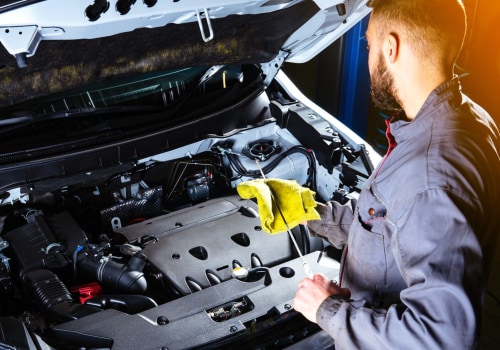
When it comes to maintaining your vehicle, understanding the concept of a tune-up is essential. A tune-up is not merely a routine check; it is a comprehensive service designed to ensure that your car operates at its peak performance. This process involves inspecting and adjusting various components of the engine, which can include spark plugs, filters, and ignition systems. By addressing these critical elements, a tune-up helps to enhance your vehicle's efficiency and longevity.The importance of regular tune-ups cannot be overstated.
Just as our bodies require regular check-ups to function optimally, so do our cars. Over time, engine components can wear out or become less effective, leading to decreased performance and increased fuel consumption. A well-timed tune-up can help prevent these issues from escalating into more significant problems that could result in costly repairs. Moreover, it can improve your vehicle's fuel economy by ensuring that the engine runs smoothly and efficiently.In addition to performance benefits, regular tune-ups play a vital role in ensuring safety on the road.
During a tune-up, mechanics will inspect critical safety components such as brakes and steering systems. By identifying potential issues early on, you can avoid dangerous situations that may arise from neglected maintenance. Ultimately, investing in regular tune-ups is not just about keeping your car running; it's about ensuring that you and your passengers are safe while driving.In summary, understanding what a tune-up entails and recognizing its significance in car maintenance is crucial for every vehicle owner. By prioritizing this essential service, you can enhance your car's performance, improve fuel efficiency, and ensure safety on the road.
As we delve deeper into the benefits of regular tune-ups throughout this article, you'll discover how this simple yet effective maintenance task can lead to a more reliable driving experience.
The Key Components of a Tune-Up
A comprehensive tune-up involves a meticulous examination and servicing of several critical components within your vehicle's engine. Understanding these components not only highlights the importance of regular maintenance but also helps car owners appreciate the thoroughness of a professional tune-up.1.Spark Plugs
One of the most vital elements checked during a tune-up is the spark plugs. These small devices ignite the air-fuel mixture in the engine's cylinders, playing a crucial role in engine performance. Over time, spark plugs can wear out or become fouled, leading to misfires, reduced fuel efficiency, and increased emissions.During a tune-up, mechanics will inspect the condition of the spark plugs and replace them if necessary to ensure optimal engine performance.
2.Air Filters
The air filter is another essential component that is typically replaced during a tune-up. It prevents dirt and debris from entering the engine, which can cause significant damage over time. A clogged air filter can restrict airflow, leading to decreased engine efficiency and power. By replacing the air filter regularly, you can help maintain your vehicle's performance and fuel economy.3.Fuel Filters
Similar to air filters, fuel filters are crucial for maintaining clean fuel flow to the engine.They trap contaminants and prevent them from entering the fuel system. A dirty fuel filter can lead to poor engine performance and even stalling. During a tune-up, mechanics will check the fuel filter and replace it if it shows signs of clogging or wear.
4.Belts and Hoses
The condition of belts and hoses is also assessed during a tune-up. These components are vital for various engine functions, including powering accessories like the alternator and water pump.Over time, belts can crack or fray, while hoses may become brittle or develop leaks. Regular inspection and replacement of these parts can prevent breakdowns and costly repairs.
5.Engine Oil and Fluids
A tune-up typically includes checking and changing engine oil as well as other vital fluids such as coolant, brake fluid, and transmission fluid. Fresh oil lubricates engine components, reducing friction and wear while improving overall efficiency. Ensuring that all fluids are at appropriate levels is essential for maintaining vehicle health.6.Ignition Timing and Idle Speed
The ignition timing and idle speed are also adjusted during a tune-up to ensure that the engine runs smoothly.Proper ignition timing ensures that the spark plugs fire at the right moment for optimal combustion, while correct idle speed helps maintain stability when the vehicle is stationary.In summary, a thorough tune-up encompasses various components that are essential for your car's performance and longevity. By understanding what is included in a tune-up, car owners can make informed decisions about their vehicle maintenance needs.
How Regular Tune-Ups Enhance Performance
Regular tune-ups are essential for maintaining and enhancing your vehicle's performance. By addressing various components of the engine, a tune-up can lead to significant improvements in fuel efficiency, power output, and overall engine health.One of the primary benefits of a tune-up is its positive impact on fuel efficiency. According to the U.S. Department of Energy, a well-maintained vehicle can achieve up to 12% better fuel economy compared to one that is neglected. This improvement is largely due to the replacement of worn-out spark plugs and air filters, which are critical for optimal combustion. When these components are functioning correctly, the engine can burn fuel more efficiently, translating into fewer trips to the gas station.Moreover, regular tune-ups help in identifying and rectifying minor issues before they escalate into major problems.
For instance, a simple adjustment of the ignition timing can enhance engine performance significantly. If the timing is off, it can lead to poor acceleration and increased emissions. By ensuring that all components are in proper working order, you not only enhance performance but also extend the lifespan of your vehicle.
Engine health
is another crucial aspect that benefits from regular tune-ups. During a tune-up, mechanics inspect vital parts such as belts, hoses, and fluids.
For example, old or cracked belts can lead to engine overheating or failure if not replaced in time. Additionally, checking fluid levels and quality ensures that your engine operates smoothly without unnecessary friction or wear.Statistics show that vehicles receiving regular maintenance can last significantly longer than those that do not. A study by AAA found that cars with consistent maintenance schedules can last up to 200,000 miles or more. This longevity is directly linked to the health of the engine and its components, which are kept in optimal condition through regular tune-ups.In conclusion, investing in regular tune-ups not only enhances your car's performance but also contributes to its longevity and reliability.
By ensuring that your vehicle runs efficiently and effectively, you can enjoy a smoother driving experience while saving money on fuel and repairs in the long run.
Preventing Major Issues with Regular Maintenance
Regular tune-ups are not just about enhancing your vehicle's performance; they play a crucial role in preventing car problems before they escalate into significant issues. By addressing minor concerns during routine maintenance, car owners can save themselves from costly repairs and unexpected breakdowns.Consider the case of a customer named Sarah, who brought her car in for a routine tune-up. During the inspection, the mechanic discovered that her spark plugs were worn out and needed replacement. Instead of ignoring this minor issue, Sarah opted for the tune-up.A few months later, she noticed her car was running smoother and more efficiently. Had she delayed the tune-up, the worn spark plugs could have led to misfires, which might have damaged her engine over time, resulting in a much more expensive repair.Another example involves a local delivery driver, Tom, who frequently ignored his vehicle's maintenance schedule. After several months without a tune-up, he experienced a sudden loss of power while driving. This incident not only caused him to miss important deliveries but also required an extensive engine repair that cost him hundreds of dollars.
Regular tune-ups could have identified the underlying issues before they became critical.One of the primary benefits of regular maintenance is the ability to catch small problems early. During a tune-up, mechanics inspect various components such as:
- Filters: Dirty air and fuel filters can restrict airflow and fuel delivery, leading to decreased performance.
- Fluids: Checking and replacing fluids like oil, coolant, and transmission fluid can prevent overheating and other serious issues.
- Belts and Hoses: Worn belts can snap unexpectedly, while cracked hoses can lead to leaks that may damage your engine.
They help identify and rectify minor issues before they develop into major problems, ultimately saving you time and money in the long run. Investing in routine maintenance is not just about keeping your car running; it's about ensuring your safety on the road and protecting your financial investment.
Safety Improvements Through Tune-Ups
When it comes to vehicle maintenance, the significance of regular tune-ups extends far beyond mere performance enhancements; they play a crucial role in ensuring your car's safety. A well-executed tune-up can identify and rectify potential safety hazards before they escalate into serious issues, providing peace of mind for drivers and passengers alike.During a tune-up, several critical components are inspected and serviced, which directly contribute to the overall safety of your vehicle. Here are some key areas where tune-ups enhance car safety:- Brake System: The brake system is one of the most vital safety features in any vehicle.
During a tune-up, mechanics will check the condition of brake pads, rotors, and fluid levels. Worn-out brake components can lead to decreased stopping power, increasing the risk of accidents.
- Lights and Signals: Properly functioning lights are essential for safe driving, especially at night or in adverse weather conditions. A tune-up includes checking headlights, taillights, turn signals, and brake lights to ensure they are operational. Non-functioning lights can lead to dangerous situations on the road.
- Tires: Tire health is critical for maintaining traction and stability.
During a tune-up, tire pressure and tread depth are assessed. Under-inflated or worn tires can compromise handling and increase the likelihood of blowouts.
- Steering and Suspension: The steering and suspension systems affect how your car handles on the road. A tune-up involves inspecting these components for wear and tear. Issues with steering or suspension can lead to loss of control while driving.
- Fluid Levels: Essential fluids such as engine oil, brake fluid, coolant, and transmission fluid are checked during a tune-up.
Low or contaminated fluids can lead to overheating or mechanical failures that may compromise safety.
Don't overlook this essential aspect of vehicle maintenance—schedule your next tune-up today for a safer driving experience.
When to Schedule Your Car's Tune-Up
Understanding when to schedule a tune-up for your vehicle is essential for maintaining its performance and longevity. Several factors influence the timing of a tune-up, including your car's mileage, driving habits, and the manufacturer's recommendations.Mileage Guidelines
- Most manufacturers suggest that a tune-up should be performed every 30,000 to 100,000 miles. However, this can vary significantly based on the make and model of your vehicle.
- For older vehicles or those with higher mileage, more frequent tune-ups may be necessary to ensure optimal performance.
- Always refer to your owner’s manual for specific recommendations tailored to your vehicle.
Driving Habits
- Your driving style can greatly affect how often you need a tune-up. If you frequently drive in stop-and-go traffic, make short trips, or drive in extreme weather conditions, you may need to schedule tune-ups more often.
- Conversely, if you primarily drive long distances on highways, your vehicle may require less frequent maintenance.
Signs Your Car Needs a Tune-Up
- Decreased Fuel Efficiency: If you notice that you're filling up more often than usual, it could be a sign that your engine isn't running efficiently and needs attention.
- Rough Idling: If your car shakes or vibrates while idling, it may indicate that the engine is misfiring or that spark plugs need replacement.
- Engine Warning Light: If the check engine light comes on, it's crucial to have your vehicle inspected as it may indicate a need for a tune-up.
- Unusual Noises: Any strange sounds coming from the engine can signal underlying issues that require immediate attention.
Regular maintenance not only enhances performance but also extends the life of your car. Stay proactive about your vehicle's health by keeping an eye on these factors and consulting with a professional mechanic when in doubt.
DIY vs. Professional Tune-Ups: What You Need to Know
When it comes to maintaining your vehicle, one of the most significant decisions you’ll face is whether to perform a DIY tune-up or to enlist the help of a professional mechanic. Each approach has its own set of advantages and disadvantages, and understanding these can help you make an informed choice that best suits your needs.Benefits of DIY Tune-Ups
Many car enthusiasts enjoy the hands-on experience of performing their own tune-ups.Here are some benefits of taking the DIY route:
- Cost Savings: One of the most appealing aspects of a DIY tune-up is the potential for significant cost savings. By purchasing parts and doing the labor yourself, you can avoid labor costs that can add up quickly at a shop.
- Learning Experience: Performing your own maintenance allows you to gain valuable knowledge about your vehicle. This understanding can empower you to handle minor repairs in the future.
- Flexibility: You can choose when and how to perform the tune-up, fitting it into your schedule without needing to book an appointment.
Challenges of DIY Tune-Ups
While there are benefits, there are also challenges associated with DIY tune-ups:- Time-Consuming: Depending on your skill level, a DIY tune-up can take significantly longer than anticipated, especially if you encounter unexpected issues.
- Lack of Expertise: Without professional training, you may overlook critical components or misdiagnose problems, leading to further issues down the line.
- Tools and Equipment: Some tasks may require specialized tools that can be expensive to purchase or rent.
The Case for Professional Tune-Ups
On the other hand, opting for a professional mechanic offers its own set of advantages:- Expertise and Experience: Professional mechanics have extensive training and experience, allowing them to quickly identify issues that may not be apparent to an untrained eye.
- Comprehensive Inspections: A professional tune-up often includes a thorough inspection of various systems in your vehicle, ensuring that all potential problems are addressed.
- Warranty Protection: Many repair shops offer warranties on their work, providing peace of mind that if something goes wrong after a tune-up, it will be taken care of without additional costs.
Making Your Decision
Your choice between a DIY tune-up and hiring a professional should depend on several factors:- Your Skill Level: If you have experience working on cars and feel confident in your abilities, a DIY approach may be suitable. However, if you're unsure about any aspect of the process, it's wise to consult a professional.
- Your Vehicle's Condition: For older vehicles or those with known issues, a professional mechanic may be better equipped to handle complex problems that require specialized knowledge.
- Your Budget: Consider how much you're willing to spend.
While DIY can save money upfront, professional services might prevent costly mistakes in the long run.
Common Myths About Car Tune-Ups Debunked
When it comes to car maintenance, tune-ups are often surrounded by a cloud of misconceptions. Many car owners may hold onto outdated beliefs that can lead to neglecting this essential service. Let’s take a closer look at some of the most common myths about car tune-ups and set the record straight.Myth 1: Tune-Ups Are Only Necessary for Older Cars
One prevalent myth is that only older vehicles require regular tune-ups.
In reality, modern cars also benefit significantly from these maintenance services. While it’s true that older models may need more frequent adjustments due to wear and tear, newer vehicles have complex systems that can also experience performance issues if not properly maintained. Regular tune-ups help ensure that all components, including sensors and electronic systems, are functioning optimally.
Myth 2: A Tune-Up Is Just an Oil Change
Another misconception is that a tune-up is synonymous with an oil change. While oil changes are a critical part of vehicle maintenance, a tune-up encompasses a much broader range of services.
It includes inspecting and replacing spark plugs, checking ignition timing, and evaluating fuel systems, among other tasks. This comprehensive approach helps maintain engine efficiency and prolongs the life of your vehicle.
Myth 3: You Can Skip Tune-Ups If Your Car Runs Fine
Many drivers believe that if their car seems to be running well, they can skip a tune-up. This is a dangerous assumption. Often, performance issues develop gradually and may not be immediately noticeable.
Regular tune-ups can catch potential problems before they escalate into costly repairs or breakdowns. By addressing minor issues early on, you can save both time and money in the long run.
Myth 4: Tune-Ups Are Too Expensive
Some car owners avoid tune-ups due to perceived costs. However, the expense of a tune-up is often far less than the cost of major repairs resulting from neglected maintenance. Investing in regular tune-ups can enhance fuel efficiency and overall performance, ultimately saving you money at the pump and on repairs.
Myth 5: You Can Do a Tune-Up Yourself Without Professional Help
While some car enthusiasts may feel confident in performing their own maintenance, a professional mechanic brings expertise and specialized tools to the table.
They can identify issues that an untrained eye might miss and ensure that all adjustments are made correctly. This level of thoroughness is crucial for maintaining your vehicle’s health.In conclusion, debunking these myths about tune-ups is essential for every car owner. Understanding what a tune-up truly involves can help you prioritize this vital aspect of vehicle maintenance, ensuring your car remains reliable and efficient for years to come.
Conclusion: The Importance of Regular Tune-Ups for Longevity and Performance
In summary, the significance of regular tune-ups cannot be overstated when it comes to ensuring the longevity and performance of your vehicle. Throughout this article, we have explored various aspects of what a tune-up entails and how it contributes to the overall health of your car.From enhancing fuel efficiency to improving engine performance, the benefits are both immediate and long-lasting.One of the most critical takeaways is that a well-maintained engine not only runs more smoothly but also operates more safely. Regular inspections during a tune-up can identify potential issues before they escalate into costly repairs. This proactive approach not only saves you money but also provides peace of mind knowing that your vehicle is in optimal condition.Moreover, the components checked during a tune-up—such as spark plugs, filters, and belts—are essential for your car's functionality. Neglecting these parts can lead to decreased performance and increased emissions, which can harm both your vehicle and the environment.
By prioritizing regular maintenance, you are making a responsible choice that benefits not just you but also the planet.As we have discussed, the frequency of tune-ups may vary based on your vehicle's make and model, as well as your driving habits. Therefore, it is advisable to consult your owner's manual or seek guidance from a qualified mechanic to determine the appropriate schedule for your car.In conclusion, taking action now by scheduling a tune-up can lead to significant improvements in your vehicle's performance and safety. Don't wait for minor issues to become major problems; invest in your car's health today. Regular maintenance is not just an expense; it is an investment in reliability and peace of mind for every journey you take.