When it comes to maintaining your vehicle, one of the most critical yet often overlooked aspects is the engine tune-up. But what exactly is a tune-up? In simple terms, an engine tune-up is a comprehensive service designed to ensure that your vehicle's engine operates at peak efficiency. This process typically involves inspecting and replacing essential components such as spark plugs, air filters, and fuel injectors, all of which play a vital role in the overall performance of your car.The importance of regular engine tune-ups cannot be overstated. Over time, various engine components can wear out or become clogged with dirt and debris, leading to decreased performance and fuel efficiency.
A well-timed tune-up not only helps to restore lost power but also enhances fuel economy, allowing you to get more miles out of every gallon of gas. Furthermore, by addressing minor issues before they escalate into major problems, you can save yourself from costly repairs down the line.In addition to improving performance and efficiency, engine tune-ups contribute significantly to the longevity of your vehicle. Regular maintenance helps to identify potential issues early on, ensuring that your engine remains in good working condition for years to come. This proactive approach not only enhances your driving experience but also increases the resale value of your car.
In essence, investing in routine tune-ups is a smart decision for any vehicle owner who wants to keep their car running smoothly and efficiently.
The Key Components of an Engine Tune-Up
When it comes to maintaining your vehicle's performance, understanding the key components involved in an engine tune-up is essential. Each part plays a critical role in ensuring that your engine runs smoothly and efficiently. Here’s a closer look at the primary components typically inspected and serviced during a tune-up:- Spark Plugs: These small but mighty components ignite the air-fuel mixture in the engine's cylinders. Over time, spark plugs can wear out or become fouled, leading to misfires, reduced fuel efficiency, and poor acceleration.
During a tune-up, technicians will check the condition of the spark plugs and replace them if necessary.
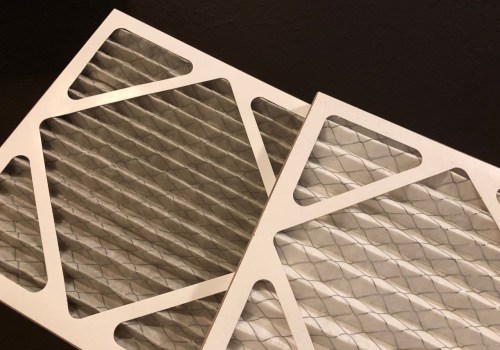
- Air Filter: The air filter prevents dirt and debris from entering the engine. A clogged air filter can restrict airflow, resulting in decreased engine performance and increased fuel consumption. Replacing the air filter during a tune-up ensures that your engine receives the clean air it needs for optimal combustion.
- Fuel Injectors: Fuel injectors are responsible for delivering fuel to the engine in precise amounts. Over time, they can become clogged with deposits, leading to poor fuel atomization and inefficient combustion.
A thorough cleaning or replacement of fuel injectors during a tune-up can significantly enhance engine performance.
- Ignition Wires: These wires connect the ignition coil to the spark plugs. Damaged or worn ignition wires can lead to weak sparks or misfires. Inspecting and replacing these wires as part of a tune-up helps ensure that your engine receives consistent ignition.
- PCV Valve: The Positive Crankcase Ventilation (PCV) valve helps regulate harmful emissions by allowing gases to escape from the crankcase. A malfunctioning PCV valve can lead to increased oil consumption and engine sludge buildup.
Checking and replacing this valve during a tune-up is crucial for maintaining engine health.
- Battery Condition: While not always included in every tune-up, checking the battery's condition is important for overall vehicle performance. A weak battery can lead to starting issues and affect other electrical components in your vehicle.
How Regular Tune-Ups Enhance Engine Performance
Regular engine tune-ups play a pivotal role in enhancing the overall performance of your vehicle. By addressing various components of the engine, these maintenance sessions can lead to significant improvements in fuel efficiency, acceleration, and the smoothness of operation.One of the primary benefits of a tune-up is the enhancement of fuel efficiency.Over time, components such as spark plugs and air filters can become dirty or worn out, leading to inefficient combustion. When these parts are replaced or cleaned during a tune-up, the engine can operate more effectively, resulting in better fuel consumption. This not only saves you money at the pump but also reduces your vehicle's carbon footprint.In addition to improved fuel efficiency, regular tune-ups contribute to enhanced acceleration. A well-maintained engine responds more quickly to the driver's commands.
For instance, fresh spark plugs ensure that the air-fuel mixture ignites at the right time, providing a smoother and more powerful acceleration. Drivers often notice a marked difference in how their vehicle accelerates after a tune-up, making for a more enjoyable driving experience.Moreover, tune-ups help maintain an overall smoother operation of the engine. This includes reducing vibrations and noise that can occur when components are not functioning optimally. A well-tuned engine runs quietly and efficiently, which not only enhances comfort for passengers but also indicates that the vehicle is in good health.Furthermore, regular tune-ups can prevent minor issues from escalating into major problems.
By identifying and addressing potential concerns early on—such as worn belts or hoses—drivers can avoid costly repairs down the line. This proactive approach not only keeps your vehicle running smoothly but also extends its lifespan.In summary, investing in regular engine tune-ups is essential for anyone looking to maximize their vehicle's performance. From improved fuel efficiency and acceleration to a smoother driving experience and long-term savings on repairs, the benefits are clear. Prioritizing this aspect of vehicle maintenance will ensure that you enjoy a reliable and efficient ride for years to come.
Preventative Maintenance: Avoiding Costly Repairs
Regular engine tune-ups are a vital aspect of preventative maintenance that can significantly reduce the likelihood of costly repairs in the future.By addressing minor issues before they escalate into major problems, drivers can save both time and money while ensuring their vehicles operate efficiently.One of the primary benefits of routine tune-ups is the early detection of potential issues. During a tune-up, mechanics inspect various components of the engine, including spark plugs, air filters, and fuel injectors. By identifying worn or malfunctioning parts early on, drivers can avoid more extensive damage that could lead to expensive repairs. For instance, a failing spark plug can cause misfires, which may eventually damage the engine if left unchecked.Moreover, regular tune-ups contribute to improved fuel efficiency.
An engine that is running optimally consumes less fuel, which translates to savings at the pump. According to studies, a well-maintained vehicle can achieve up to 10% better fuel economy compared to one that has not undergone regular maintenance. This not only helps in reducing overall operating costs but also minimizes the frequency of visits to the gas station.In addition to fuel savings, maintaining your vehicle through regular tune-ups can enhance its resale value. A car that has a documented history of consistent maintenance is often more appealing to potential buyers.
They are likely to pay a premium for a vehicle that has been well cared for and is less likely to require immediate repairs.Furthermore, preventative maintenance through tune-ups can extend the lifespan of your vehicle. Engines that are regularly serviced tend to last longer and perform better over time. This longevity means fewer replacements and repairs, ultimately leading to significant cost savings over the life of the vehicle.In conclusion, investing in regular engine tune-ups is not just about immediate performance; it’s a strategic approach to avoiding car repairs and ensuring long-term financial benefits. By prioritizing preventative maintenance, drivers can enjoy peace of mind knowing they are taking proactive steps to protect their investment.
Signs Your Vehicle Needs a Tune-Up
Understanding when your vehicle requires a tune-up is essential for maintaining its performance and longevity.Several signs can indicate that it’s time to schedule this important maintenance service. By recognizing these symptoms early, you can prevent more significant issues down the road.
- Decreased Engine Performance: If you notice a drop in your engine's power or acceleration, it may be a sign that your vehicle needs a tune-up. This can manifest as sluggishness during acceleration or difficulty maintaining speed on the highway.
- Poor Fuel Efficiency: A sudden increase in fuel consumption can indicate that your engine is not operating efficiently. If you find yourself making more frequent trips to the gas station, it might be time for a tune-up.
- Rough Idling: If your engine feels like it’s shaking or vibrating while idling, this could be a symptom of worn-out spark plugs or other ignition system issues.
A proper tune-up can help smooth out these irregularities.
- Difficulty Starting: Struggling to start your vehicle can be frustrating and may point to problems with the ignition system or fuel delivery. If you find yourself turning the key multiple times before the engine starts, consider scheduling a tune-up.
- Check Engine Light: The check engine light can illuminate for various reasons, but if it stays on consistently, it’s a clear signal that something is amiss. A professional inspection during a tune-up can help diagnose the underlying issue.
- Noisy Engine: Unusual sounds such as knocking or pinging from the engine compartment can indicate serious problems. These noises often stem from issues that a tune-up could address, such as improper fuel mixture or ignition timing.
Regularly monitoring your vehicle's performance and being proactive about maintenance will not only enhance your driving experience but also extend the life of your car.
The Frequency of Engine Tune-Ups: How Often Should You Schedule One?
Determining the right frequency for engine tune-ups is essential for maintaining your vehicle's performance and longevity. While many drivers may wonder how often to get a tune up , the answer can vary based on several factors, including mileage, driving conditions, and the specific recommendations of your vehicle's manufacturer.Mileage Recommendations
- Most manufacturers suggest that a tune-up should be performed every 30,000 to 100,000 miles. However, this range can differ significantly based on the make and model of your vehicle.
- For older vehicles or those with higher mileage, more frequent tune-ups may be necessary to ensure optimal performance.
Driving Conditions
- If you frequently drive in harsh conditions—such as heavy traffic, extreme temperatures, or on rough roads—you may need to schedule tune-ups more often. These conditions can put additional strain on your engine and its components.
- Conversely, if you primarily drive on highways with minimal stop-and-go traffic, you might find that you can extend the time between tune-ups.
Signs That Indicate a Tune-Up is Needed
- Pay attention to your vehicle's performance.
If you notice a decrease in power, poor fuel efficiency, or difficulty starting the engine, it may be time for a tune-up.
- Unusual noises or vibrations while driving can also signal that your engine requires attention.
Consulting Your Owner's Manual
Your vehicle's owner manual is an invaluable resource when it comes to understanding the recommended frequency for tune-ups. It provides specific guidelines tailored to your car's make and model. Following these recommendations can help you avoid unnecessary wear and tear on your engine.
Conclusion
In summary, while there are general guidelines for how often to schedule a tune-up, individual circumstances will dictate the best approach for your vehicle. Regular maintenance not only enhances performance but also extends the life of your engine.
By staying proactive and attentive to your car's needs, you can ensure that it runs smoothly for years to come.
DIY vs. Professional Tune-Ups: What You Need to Know
When it comes to maintaining your vehicle, one of the most debated topics is whether to perform a DIY engine tune-up or to seek the help of a professional service. Each option has its own set of advantages and disadvantages, and understanding these can help you make an informed decision that best suits your needs.Benefits of DIY Engine Tune-Ups
One of the primary benefits of a DIY engine tune-up is cost savings. By handling the maintenance yourself, you can avoid labor costs associated with professional services.Additionally, many car enthusiasts find satisfaction in working on their vehicles, as it allows them to learn more about how their engine operates.Another advantage is the flexibility that comes with DIY work. You can choose when to perform the tune-up based on your schedule, rather than relying on the availability of a shop. This can be particularly beneficial for those who enjoy hands-on projects and have some mechanical knowledge.
Challenges of DIY Tune-Ups
However, there are challenges associated with DIY engine tune-ups. For one, without proper training and experience, you may overlook critical components that need attention.This could lead to incomplete maintenance and potentially exacerbate existing issues.Moreover, modern engines are increasingly complex, often requiring specialized tools and diagnostic equipment that may not be readily available to the average car owner. This complexity can make it difficult to achieve the same level of thoroughness as a professional service.
Advantages of Professional Tune-Ups
On the other hand, opting for a professional engine tune-up comes with numerous benefits. Professionals have extensive training and experience, allowing them to quickly identify issues that may not be apparent to an untrained eye. They also have access to advanced diagnostic tools that can provide a comprehensive assessment of your engine's health.Additionally, professional services often include warranties on parts and labor, giving you peace of mind that any work done will be covered if issues arise shortly after the service.Considerations for Choosing Between DIY and Professional Services
Ultimately, the choice between a DIY engine tune-up and a professional service depends on several factors:- Your Skill Level: If you have experience working on cars and feel confident in your abilities, a DIY approach may be suitable.
- Time Availability: Consider how much time you can dedicate to performing a tune-up.
Professional services can often complete the job more quickly.
- Complexity of Issues: If your vehicle is experiencing significant problems or if you're unsure about what needs to be done, it's wise to consult a professional.
- Budget: Weigh the cost savings of doing it yourself against the potential risks of incomplete maintenance.
Environmental Benefits of Regular Tune-Ups
Regular engine tune-ups not only enhance the performance of your vehicle but also play a significant role in reducing its environmental impact. A well-maintained engine operates more efficiently, which translates to lower emissions and better fuel economy. This section delves into the environmental benefits of keeping your engine in top shape through regular tune-ups.One of the primary ways that tune-ups contribute to a healthier environment is by minimizing harmful emissions.When an engine is not functioning optimally, it can produce excess pollutants such as carbon monoxide, nitrogen oxides, and hydrocarbons. These emissions contribute to air pollution and can have detrimental effects on public health and the environment. By ensuring that components like spark plugs, air filters, and fuel injectors are in good condition, a tune-up helps to ensure that your vehicle burns fuel more completely, thereby reducing the amount of unburned fuel that escapes into the atmosphere.Moreover, a well-tuned engine can significantly improve fuel efficiency. When your vehicle consumes less fuel, it not only saves you money at the pump but also reduces the overall demand for fossil fuels.
This is particularly important in the context of climate change, as decreased fuel consumption leads to lower greenhouse gas emissions. According to studies, a properly tuned engine can improve fuel economy by as much as 4% to 10%, depending on the vehicle and its condition.In addition to reducing emissions and improving fuel economy, regular tune-ups can also extend the lifespan of your vehicle. A longer-lasting vehicle means fewer cars on the road and less waste generated from manufacturing new vehicles. This contributes to a more sustainable automotive ecosystem.To maximize these environmental benefits, consider adopting eco-friendly maintenance practices alongside regular tune-ups.
For instance:
- Use high-quality motor oil: Opt for synthetic oils that reduce friction and improve engine efficiency.
- Choose eco-friendly products: When replacing parts or fluids during a tune-up, select environmentally friendly options whenever possible.
- Practice responsible disposal: Ensure that old parts and fluids are disposed of properly to prevent environmental contamination.
Conclusion: The Importance of Regular Engine Tune-Ups for Longevity and Performance
In summary, the significance of regular engine tune-ups cannot be overstated when it comes to enhancing both the longevity and performance of your vehicle. By routinely scheduling these essential maintenance services, you are taking proactive steps to ensure that your engine operates at its peak efficiency.Throughout this article, we have explored various aspects of engine tune-ups, including:- Improved Engine Performance: Regular tune-ups help restore lost power and acceleration by addressing issues such as worn spark plugs and clogged air filters.
- Fuel Efficiency: A well-tuned engine burns fuel more efficiently, which can lead to significant savings at the pump over time.
- Prevention of Major Repairs: By identifying and resolving minor issues during a tune-up, you can prevent them from escalating into costly repairs down the line.
- Enhanced Emissions Control: Keeping your engine in optimal condition helps reduce harmful emissions, contributing to a cleaner environment.
- Increased Reliability: Regular maintenance fosters a dependable vehicle that is less likely to leave you stranded due to unexpected breakdowns.
Not only do they enhance performance and efficiency, but they also contribute to a safer driving experience. By prioritizing this aspect of vehicle maintenance, you are ensuring that your car remains reliable and enjoyable to drive for years to come.