When it comes to maintaining your vehicle, the significance of regular tune-ups cannot be overstated. These essential maintenance checks are designed to keep your car running smoothly and efficiently, ensuring that you get the most out of your investment. A tune-up typically involves a comprehensive inspection of various components, including the engine, ignition system, fuel system, and exhaust system. Additionally, it's important to be aware of the Signs You Need New Tires A Comprehensive, as addressing potential issues before they escalate into major problems not only enhances your vehicle's performance but also extends its lifespan.One of the primary reasons why When it comes to maintaining your vehicle, the significance of regular tune-ups cannot be overstated. These essential maintenance checks are designed to keep your car running smoothly and efficiently, ensuring that you get the most out of your investment. A tune-up typically involves a comprehensive inspection of various components, including the engine, ignition system, fuel system, and exhaust system. Additionally, it's important to be aware of the Signs You Need New Tires A Comprehensive, as addressing potential issues before they escalate into major problems not only enhances your vehicle's performance but also extends its lifespan.One of the primary reasons why tune-ups matter is their role in improving fuel efficiency.
Over time, components such as spark plugs and air filters can become dirty or worn out, leading to decreased engine performance and increased fuel consumption. Regular tune-ups help to identify and rectify these issues, allowing your vehicle to operate at optimal efficiency. This not only saves you money at the pump but also reduces your carbon footprint, making it a win-win situation for both your wallet and the environment.Moreover, regular car maintenance through tune-ups can significantly enhance safety on the road. A well-maintained vehicle is less likely to experience unexpected breakdowns or malfunctions that could put you and your passengers at risk.
For instance, a faulty ignition system can lead to stalling in traffic or difficulty starting the engine, both of which can be dangerous situations. By prioritizing tune-ups, you are taking proactive steps to ensure that your car remains reliable and safe for everyday use.In summary, the importance of regular tune-ups extends far beyond mere convenience; they are a critical aspect of responsible vehicle ownership. From improving fuel efficiency to enhancing safety, the benefits of routine maintenance are clear. As we delve deeper into this topic, we will explore the specific advantages of tune-ups and how they contribute to the overall health of your vehicle.
What is a Car Tune-Up?
A car tune-up is a comprehensive maintenance service designed to ensure that your vehicle operates efficiently and safely.While the term "tune-up" may evoke images of adjusting carburetors and fine-tuning engines, modern vehicles require a more holistic approach that encompasses various components and systems.At its core, a car tune-up involves a series of inspections, adjustments, and replacements aimed at optimizing engine performance and prolonging the life of the vehicle. Here are some key components typically included in a standard tune-up:
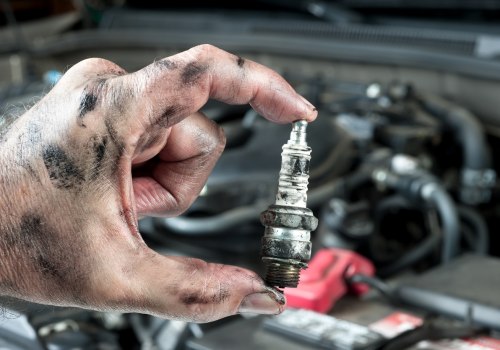
- Spark Plugs: These are crucial for igniting the air-fuel mixture in the engine. Over time, spark plugs can wear out or become fouled, leading to misfires, reduced fuel efficiency, and increased emissions. Replacing them during a tune-up can significantly enhance engine performance.
- Air Filter: A clean air filter ensures that your engine receives an adequate supply of clean air for combustion.
A clogged air filter can restrict airflow, leading to decreased power and fuel economy. Regular replacement is essential for optimal engine function.
- Fuel Filter: This component prevents contaminants from entering the fuel system. A dirty fuel filter can cause poor engine performance and stalling. Replacing it during a tune-up helps maintain fuel flow and efficiency.
- Oil Change: Fresh oil lubricates engine components, reduces friction, and helps dissipate heat.
During a tune-up, mechanics typically recommend changing the oil and oil filter to ensure the engine runs smoothly.
- Ignition System Check: This includes inspecting ignition coils, wires, and other components to ensure they are functioning correctly. A faulty ignition system can lead to starting issues and poor engine performance.
- Belt and Hose Inspection: Belts and hoses are vital for various engine functions. During a tune-up, mechanics will check for signs of wear or damage to prevent breakdowns caused by failed components.
Regular tune-ups can lead to improved performance, better fuel efficiency, and ultimately a safer driving experience.
Signs Your Car Needs a Tune-Up
Recognizing the signs that your vehicle needs a tune-up is essential for maintaining its performance and safety. Ignoring these indicators can lead to more significant issues down the line, which can be costly and inconvenient. Here are some common symptoms that suggest it’s time to schedule a tune-up:- Engine Light Activation: One of the most immediate signs that your car requires attention is when the engine light illuminates on your dashboard. This warning can indicate a range of issues, from minor sensor problems to more serious engine malfunctions.
It’s crucial to have this checked as soon as possible.
- Poor Fuel Efficiency: If you notice that you’re filling up your gas tank more frequently than usual, it could be a sign that your engine isn’t running efficiently. A tune-up can help restore optimal fuel efficiency by addressing issues like dirty air filters or worn spark plugs.
- Rough Idling: When your car shakes or vibrates while idling, it may indicate that the engine is misfiring or that there are issues with the fuel system. This symptom should not be ignored, as it can lead to more severe engine problems.
- Difficulty Starting: If your vehicle struggles to start or requires multiple attempts, it’s a clear sign that something is amiss. This could be due to a weak battery, faulty spark plugs, or other ignition system issues.
Regular tune-ups can help identify and resolve these problems before they escalate.
- Unusual Noises: Pay attention to any strange sounds coming from your vehicle, such as knocking, pinging, or grinding noises. These sounds can indicate various mechanical issues that need immediate attention.
- Excessive Exhaust Smoke: If you notice an increase in exhaust smoke or a change in its color (blue, black, or white), this could signal serious engine problems. A tune-up can help diagnose and fix these issues before they lead to costly repairs.
If you experience any of these symptoms, don’t hesitate to consult with a qualified mechanic to assess your vehicle's needs.
Common Misconceptions About Tune-Ups
When it comes to car maintenance, there are numerous misconceptions that can lead to neglecting essential services like tune-ups. Understanding these myths is crucial for every car owner who wants to keep their vehicle in optimal condition.Myth 1: Tune-Ups Are Only Necessary When Problems Arise
Many drivers believe that they only need a tune-up when they notice a problem, such as poor engine performance or strange noises. This is a dangerous misconception. Regular tune-ups are preventive measures designed to catch issues before they escalate into costly repairs.
By waiting for a problem to manifest, you risk not only your vehicle's performance but also your safety on the road.
Myth 2: Tune-Ups Are Just an Upsell by Mechanics
Some car owners think that mechanics push tune-ups as a way to increase their profits. While it’s true that some shops may recommend unnecessary services, the reality is that regular tune-ups are vital for maintaining your vehicle's health. A well-timed tune-up can enhance fuel efficiency, improve engine performance, and extend the lifespan of your car.
Myth 3: All Cars Require Tune-Ups at the Same Interval
Another common misconception is that all vehicles need tune-ups at the same mileage or time intervals. In fact, the frequency of tune-ups can vary significantly based on the make and model of your car, as well as your driving habits.
Always refer to your owner’s manual for specific recommendations tailored to your vehicle.
Myth 4: Tune-Ups Are Only About Changing Spark Plugs
While changing spark plugs is a critical component of a tune-up, it’s far from the only task involved. A comprehensive tune-up may include checking and replacing air filters, inspecting belts and hoses, adjusting fuel injectors, and ensuring that all fluid levels are adequate. Each of these elements plays a role in keeping your engine running smoothly.
Myth 5: Newer Cars Don’t Need Tune-Ups
Some drivers assume that modern vehicles equipped with advanced technology don’t require regular tune-ups. However, even newer cars benefit from routine maintenance checks.
Ignoring these services can lead to decreased performance and unexpected breakdowns.In conclusion, debunking these tune-up myths is essential for maintaining your vehicle's health and ensuring safe driving conditions. Regular maintenance not only saves you money in the long run but also enhances your overall driving experience.
The Financial Benefits of Regular Tune-Ups
When it comes to vehicle maintenance, many car owners often overlook the financial implications of regular tune-ups. However, investing in these routine services can lead to substantial cost savings over time. Here’s how.Preventing Major Repairs
One of the most significant financial benefits of regular tune-ups is the prevention of major repairs.
During a tune-up, mechanics inspect various components of your vehicle, including the engine, brakes, and transmission. By identifying and addressing minor issues early on, you can avoid the high costs associated with major repairs that could arise from neglect. For instance, a simple spark plug replacement during a tune-up can prevent engine misfires that may lead to costly engine damage if left unaddressed.
Improving Fuel Efficiency
Another way regular tune-ups save you money is by improving your vehicle's fuel efficiency. A well-maintained engine runs more smoothly and efficiently, which means it consumes less fuel.
According to the U. S. Department of Energy, proper maintenance can improve fuel economy by as much as 4%. Over time, this can translate into significant savings at the pump, especially for those who drive frequently or long distances.
Extending Vehicle Lifespan
Regular tune-ups not only enhance performance but also extend the lifespan of your vehicle.
A car that is well-maintained is less likely to experience breakdowns and will generally last longer than one that is neglected. This longevity means you can avoid the financial burden of purchasing a new vehicle sooner than necessary.
Reducing Insurance Costs
Some insurance companies offer discounts for vehicles that are regularly maintained. By keeping up with tune-ups and providing proof of maintenance, you may qualify for lower premiums. This is an often-overlooked benefit that can further enhance your savings.
Conclusion
In summary, regular tune-ups are not just about keeping your car running smoothly; they are a smart financial decision.
By preventing major repairs, improving fuel efficiency, extending your vehicle's lifespan, and potentially reducing insurance costs, you can save a significant amount of money in the long run. Prioritizing regular maintenance is an investment in both your vehicle's health and your wallet.
How Often Should You Get a Tune-Up?
Determining how often to schedule a tune-up for your vehicle is essential for maintaining its performance and longevity. While many car owners may rely on a general rule of thumb, the frequency of tune-ups can vary significantly based on several factors, including the type of vehicle, driving conditions, and individual driving habits.Manufacturer Recommendations
- Most vehicle manufacturers provide specific guidelines in the owner’s manual regarding the recommended schedule for tune-ups. Typically, this can range from every 30,000 to 100,000 miles.
- It’s crucial to follow these recommendations as they are tailored to the specific needs of your vehicle model.
Driving Conditions
- If you frequently drive in harsh conditions—such as extreme temperatures, heavy traffic, or on rough roads—you may need to schedule tune-ups more often.
- For example, stop-and-go traffic can put additional strain on your engine, necessitating more frequent maintenance.
Driving Habits
- Your personal driving style also plays a significant role.
If you tend to accelerate quickly or drive at high speeds regularly, your vehicle may require more frequent tune-ups.
- Conversely, if you primarily drive at moderate speeds and maintain a steady pace, you might be able to extend the intervals between tune-ups.
Signs That Indicate a Tune-Up is Needed
- Pay attention to your vehicle’s performance. If you notice decreased fuel efficiency, rough idling, or difficulty starting the engine, it may be time for a tune-up.
- Additionally, if your engine light illuminates on the dashboard, it’s a clear signal that something requires attention.
DIY vs.
Professional Tune-Ups: What You Need to KnowWhen it comes to maintaining your vehicle, one of the most significant decisions you’ll face is whether to perform a DIY tune-up or seek the expertise of a professional mechanic. Each option has its own set of advantages and disadvantages, and understanding these can help you make an informed choice that best suits your needs.
Pros of DIY Tune-Ups
- Cost Savings: One of the most appealing aspects of DIY maintenance is the potential for significant cost savings. By handling the tune-up yourself, you can avoid labor costs associated with hiring a mechanic.
- Learning Experience: Performing your own tune-up can be an educational experience. It allows you to gain a deeper understanding of your vehicle’s mechanics, which can be beneficial for future repairs.
- Convenience: You can choose when and where to perform the tune-up, making it easier to fit into your schedule without needing to book an appointment.
Cons of DIY Tune-Ups
- Lack of Expertise: Unless you are well-versed in automotive repair, you may not have the knowledge required to identify all potential issues during a tune-up.
This could lead to overlooking critical problems that require professional attention.
- Time-Consuming: Depending on your skill level, a DIY tune-up can take significantly longer than anticipated, especially if you encounter unexpected challenges.
- Risk of Errors: Mistakes made during a DIY tune-up can lead to further complications or even damage to your vehicle, which could end up costing more in repairs.
When to Hire a Mechanic for a Tune-Up
If you find yourself unsure about any aspect of the tune-up process or if your vehicle exhibits symptoms that suggest more serious issues, it’s wise to consult a professional. Mechanics have the training and experience necessary to diagnose problems accurately and perform repairs efficiently. Additionally, if your car is still under warranty, having a certified mechanic perform the tune-up may be required to maintain that warranty.Ultimately, whether you choose a DIY approach or opt for professional help depends on your comfort level with car maintenance and the specific needs of your vehicle. Regular tune-ups are essential for keeping your car running smoothly, so make sure to choose the option that will best ensure its longevity and performance.Conclusion: Prioritizing Your Vehicle's Health with Regular Tune-Ups
In summary, the significance of regular tune-ups cannot be overstated.As we have explored throughout this article, these essential maintenance checks play a pivotal role in ensuring your vehicle's safety, performance, and longevity. By prioritizing routine tune-ups, you are not only safeguarding your investment but also enhancing your driving experience.One of the most compelling reasons to commit to regular tune-ups is the early detection of potential issues. Many car problems can develop silently, only to manifest as costly repairs or dangerous breakdowns later on. By having a mechanic inspect your vehicle periodically, you can catch these issues before they escalate.
This proactive approach not only saves you money but also provides peace of mind knowing that your car is in optimal condition.Moreover, regular tune-ups contribute significantly to fuel efficiency. A well-maintained engine runs more smoothly and consumes less fuel, which translates to savings at the pump. In today’s economy, where fuel prices can fluctuate dramatically, ensuring that your vehicle operates efficiently is more important than ever.Additionally, a vehicle that undergoes consistent maintenance tends to have a higher resale value. Prospective buyers are often more inclined to purchase a car with a documented history of regular tune-ups, as it indicates that the previous owner took care of the vehicle.
This can be a crucial factor when it comes time to sell or trade in your car.Finally, let’s not forget the safety aspect. A well-tuned vehicle is less likely to experience mechanical failures that could lead to accidents. Regular inspections help ensure that critical components such as brakes, tires, and steering systems are functioning correctly, thereby reducing the risk of accidents caused by mechanical failure.In conclusion, making regular tune-ups a priority is an investment in your vehicle's health and your own safety. Don’t wait for warning signs or breakdowns; take charge of your car’s maintenance schedule today.
By doing so, you will enjoy a smoother ride, greater reliability, and ultimately, a safer driving experience.