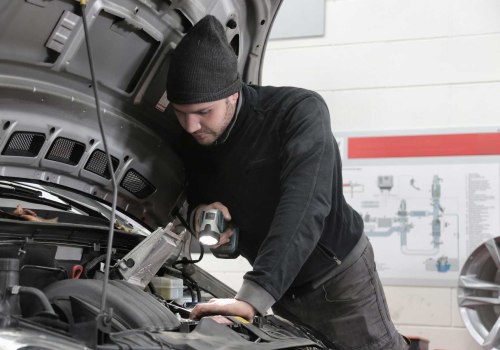
A tune-up is a vital aspect of vehicle maintenance that involves a series of checks and adjustments designed to keep your car running smoothly and efficiently. While the term may evoke images of spark plugs and engine adjustments, a tune-up encompasses much more than just these components. It is a comprehensive evaluation of your vehicle's performance, aimed at identifying potential issues before they escalate into costly repairs. Regular tune-ups are essential for ensuring that your vehicle operates at its best, providing you with peace of mind on the road.Understanding the importance of tune-ups begins with recognizing their role in overall vehicle health.
Just as regular check-ups are crucial for maintaining human health, tune-ups serve as preventative care for your car. They help to optimize fuel efficiency, reduce harmful emissions, and enhance engine performance. By addressing minor issues during a tune-up, you can prevent them from developing into major problems that could lead to breakdowns or expensive repairs down the line.Moreover, a well-maintained vehicle retains its value over time. Prospective buyers often look for cars with a documented history of regular maintenance, including tune-ups.
This not only boosts your car's resale value but also ensures that it remains reliable throughout its lifespan. In essence, investing in regular tune-ups is not just about immediate performance; it’s about safeguarding your investment and ensuring that your vehicle remains a dependable mode of transportation for years to come.
Key Benefits of Regular Tune-Ups
Regular tune-ups are a vital aspect of vehicle maintenance that can yield numerous benefits, enhancing both the performance and longevity of your car. Understanding these advantages can help you appreciate why tune-ups are not just an optional service but a necessary investment in your vehicle's health.1.Improved Performance
One of the most immediate benefits of a regular tune-up is the noticeable improvement in your vehicle's performance. During a tune-up, technicians inspect and adjust various engine components, ensuring that everything is functioning optimally.
This includes:
- Replacing worn-out spark plugs that can cause misfires and reduce engine efficiency.
- Cleaning fuel injectors to ensure a proper fuel-air mixture, which enhances acceleration and responsiveness.
- Checking and adjusting the ignition timing for smoother operation.
2.Enhanced Fuel Efficiency
Another significant advantage of regular tune-ups is improved fuel efficiency. A well-maintained engine burns fuel more efficiently, which can lead to substantial savings at the pump. Key factors contributing to better fuel economy include:
- Properly functioning spark plugs that ignite fuel more effectively.
- A clean air filter that allows for optimal airflow into the engine.
- Accurate tire pressure, which is often checked during a tune-up, reducing rolling resistance.
3.Extended Vehicle Lifespan
Regular tune-ups play a crucial role in extending the lifespan of your vehicle. By identifying and addressing potential issues before they escalate into major problems, you can avoid costly repairs down the line.
For instance:
- A simple adjustment or replacement during a tune-up can prevent engine overheating, which can lead to severe damage.
- Routine checks on belts and hoses can prevent breakdowns caused by wear and tear.
- Maintaining fluid levels ensures that all systems operate smoothly, reducing strain on the engine.
4.Safety Assurance
Tune-ups also contribute significantly to your safety on the road. Regular inspections help identify issues such as:
- Worn brake pads or low brake fluid levels that could compromise stopping power.
- Tire wear patterns that may indicate alignment issues or other problems affecting handling.
- Faulty lights or signals that could hinder visibility and communication with other drivers.
Enhancing Fuel Efficiency Through Tune-Ups
One of the most significant benefits of regular tune-ups is the enhancement of your vehicle's fuel efficiency. As vehicles age, various components can wear down or become less effective, leading to decreased gas mileage.By addressing these issues during a tune-up, you can ensure that your car operates at its optimal level, ultimately saving you money at the pump.During a typical tune-up, several key components are inspected and adjusted or replaced, all of which play a crucial role in fuel economy:
- Spark Plugs: These small but vital components ignite the air-fuel mixture in the engine. Worn or dirty spark plugs can lead to incomplete combustion, resulting in wasted fuel. Replacing them during a tune-up can significantly improve your vehicle's performance and fuel efficiency.
- Air Filters: A clean air filter ensures that your engine receives the right amount of air for combustion. Clogged filters restrict airflow, causing the engine to work harder and consume more fuel.
Regularly replacing air filters can lead to noticeable improvements in gas mileage.
- Fuel Injectors: Over time, fuel injectors can become clogged with deposits, affecting their ability to deliver the correct amount of fuel to the engine. During a tune-up, technicians often clean or replace these injectors, which helps restore proper fuel flow and enhances efficiency.
- Tire Pressure: While not always directly addressed during a tune-up, maintaining proper tire pressure is essential for optimal fuel economy. Under-inflated tires create more rolling resistance, forcing the engine to work harder and consume more gas. Technicians may check tire pressure as part of a comprehensive tune-up service.
- Engine Timing: Proper engine timing ensures that the air-fuel mixture ignites at the right moment for maximum power and efficiency.
If timing is off due to wear or adjustments needed, it can lead to poor fuel economy. Tune-ups often include checks and adjustments to ensure optimal timing.
By ensuring that critical components are functioning correctly, you can enjoy better gas mileage and contribute positively to both your wallet and the planet.
Preventing Costly Repairs with Regular Maintenance
Regular tune-ups are not just a routine chore; they are a vital component of preventive maintenance that can significantly reduce the likelihood of costly repairs. By addressing minor issues before they escalate, you can save both time and money while enhancing the safety and reliability of your vehicle.During a tune-up, skilled technicians conduct a thorough inspection of your vehicle's essential systems. This includes checking the engine, transmission, brakes, and electrical components. By identifying potential problems early on, you can avoid the stress and expense associated with major repairs down the line.Here are some common issues that regular tune-ups can help prevent:
- Worn Spark Plugs: Spark plugs play a crucial role in engine performance.
If they are worn or dirty, they can lead to misfires, reduced fuel efficiency, and increased emissions. Replacing them during a tune-up can prevent more severe engine damage.
- Fluid Leaks: Regular inspections can help detect leaks in vital fluids such as oil, coolant, and transmission fluid. Addressing these leaks promptly can prevent overheating and other serious engine issues.
- Clogged Filters: Air and fuel filters can become clogged over time, leading to poor engine performance. Replacing these filters during a tune-up ensures that your engine receives the clean air and fuel it needs to operate efficiently.
- Belt and Hose Wear: Belts and hoses are essential for various engine functions.
A worn belt can snap unexpectedly, leading to costly repairs. Regular checks during a tune-up can identify wear before it becomes a problem.
Ultimately, investing in regular tune-ups is an investment in your vehicle's longevity and performance.
By prioritizing preventive maintenance, you not only enhance your car's reliability but also ensure that it remains safe for you and your passengers.
The peace of mind that comes from knowing your vehicle is in top condition is invaluable.In conclusion, don’t wait for warning lights or strange noises to prompt action. Schedule regular tune-ups to keep your vehicle running smoothly and avoid the financial burden of unexpected repairs.
The Role of Tune-Ups in Emission Control
Regular tune-ups play a pivotal role in controlling vehicle emissions, which is increasingly important in our efforts to combat air pollution and protect the environment. As vehicles age, their engines can become less efficient, leading to increased emissions of harmful pollutants. A well-timed tune-up can significantly enhance engine performance and reduce these emissions, contributing to cleaner air for everyone.One of the primary ways that tune-ups help in emission control is through the optimization of the engine's combustion process.During a tune-up, technicians inspect and adjust various components such as spark plugs, fuel injectors, and air filters. When these parts are functioning optimally, they ensure that fuel burns more completely, which minimizes the release of unburned hydrocarbons and carbon monoxide into the atmosphere.Additionally, a tune-up often includes checking and repairing the exhaust system. This system is crucial for filtering out harmful gases before they are released into the environment. By ensuring that the exhaust system is in good condition, tune-ups help to prevent excessive emissions that can contribute to smog and respiratory problems in urban areas.
Environmental Benefits of Regular Tune-Ups
- Reduction of Greenhouse Gases: By improving fuel efficiency and reducing emissions, regular tune-ups can help lower the overall carbon footprint of your vehicle.
- Compliance with Emission Standards: Many regions have strict emission regulations.
Keeping your vehicle well-maintained through regular tune-ups can help ensure compliance with these standards, avoiding potential fines.
- Enhanced Fuel Economy: A well-tuned engine consumes fuel more efficiently, which not only saves you money at the pump but also reduces the amount of fuel burned, further decreasing emissions.
Maintaining Vehicle Value with Regular Tune-Ups
When it comes to owning a vehicle, one of the most significant considerations for many drivers is the resale value. A well-maintained car not only provides reliable transportation but also retains its worth over time. Regular tune-ups play a crucial role in preserving and even enhancing your vehicle's value, making them an essential part of responsible car ownership.One of the primary benefits of regular tune-ups is that they help keep your vehicle in optimal condition.This includes ensuring that the engine runs smoothly, the fuel system is clean, and all components are functioning as intended. When potential buyers see a car that has been well cared for, they are more likely to pay a premium price. Here are some key ways that regular tune-ups contribute to maintaining your car's value:
- Preventive Maintenance: Regular tune-ups allow for early detection of potential issues before they escalate into costly repairs. By addressing minor problems promptly, you can avoid significant damage that could negatively impact your vehicle's resale value.
- Improved Performance: A well-tuned engine operates more efficiently, which can lead to better fuel economy and overall performance.
Buyers are often attracted to vehicles that demonstrate reliability and efficiency.
- Documentation of Care: Keeping records of all maintenance performed, including tune-ups, can serve as proof of your commitment to maintaining the vehicle. This documentation can be a powerful selling point when negotiating with potential buyers.
- Aesthetic Appeal: Regular tune-ups often include checks on various systems that affect the car's appearance, such as the exhaust system and engine cleanliness. A clean and well-maintained engine bay can impress buyers and enhance perceived value.
By ensuring your car remains in excellent condition through consistent maintenance, you position yourself favorably in the market when it comes time to sell or trade-in your vehicle.
What to Expect During a Tune-Up Service
When you bring your vehicle in for a tune-up, it’s essential to understand what the process entails and what you can expect from the service. A typical tune-up is designed to enhance your vehicle's performance, improve fuel efficiency, and extend its lifespan. Here’s a detailed overview of the steps involved in a standard tune-up service.Initial Inspection
- The process begins with a thorough visual inspection of your vehicle. Technicians will check for any obvious signs of wear and tear, leaks, or damage.
- They will also assess the condition of the tires, brakes, and suspension components to ensure overall safety.
Engine Diagnostics
- Next, advanced diagnostic tools are used to evaluate the engine's performance.
This may include checking error codes from the vehicle’s onboard computer system.
- By identifying any underlying issues early on, technicians can address them before they escalate into more significant problems.
Replacement of Key Components
- One of the primary aspects of a tune-up is replacing essential components such as spark plugs and ignition wires. These parts are crucial for optimal engine performance.
- The fuel filter may also be replaced to ensure that the fuel system remains clean and efficient.
- If necessary, air filters will be changed to improve airflow to the engine, which can enhance fuel efficiency.
Fluid Checks and Changes
- During a tune-up, technicians will check all vital fluids, including engine oil, coolant, brake fluid, and transmission fluid. Any fluids that are low or contaminated will be replaced.
- This step is critical for maintaining proper vehicle function and preventing overheating or other mechanical failures.
Final Adjustments and Testing
- After all necessary replacements and checks are completed, technicians will make any required adjustments to the engine settings. This may involve tuning the idle speed or adjusting the timing.
- The final step includes a road test to ensure that everything is functioning correctly.
This allows technicians to confirm that your vehicle is running smoothly after the service.
How Often Should You Get a Tune-Up?
Determining how often you should schedule a tune-up for your vehicle is crucial for maintaining its performance and longevity. The frequency of tune-ups can vary significantly based on several factors, including the age of your vehicle, its mileage, and the specific recommendations provided by the manufacturer.Manufacturer Recommendations
Most vehicle manufacturers provide a recommended maintenance schedule in the owner’s manual. This schedule typically outlines when to perform a tune-up, which can range from every 30,000 to 100,000 miles.
For instance, older vehicles may require more frequent tune-ups, while newer models often have longer intervals due to advancements in technology and engineering.
Age of the Vehicle
As a general rule of thumb, if your vehicle is over five years old or has accumulated more than 60,000 miles, it’s wise to consider more regular tune-ups. Older vehicles may experience wear and tear on components such as spark plugs, fuel injectors, and filters, necessitating more frequent checks to ensure optimal performance.
Mileage Considerations
Mileage is another critical factor in determining when to get a tune-up. If you drive frequently or have a long daily commute, you may reach the recommended mileage for a tune-up sooner than someone who drives less. Additionally, if you notice any changes in your vehicle's performance—such as decreased fuel efficiency or unusual noises—it may be time to schedule a tune-up, regardless of mileage.
Driving Conditions
The conditions in which you drive can also impact how often you should get a tune-up.
For example:
- Frequent short trips: If you often drive short distances, your engine may not reach optimal operating temperature, leading to increased carbon buildup and requiring more frequent maintenance.
- Towing or heavy loads: Regularly towing trailers or carrying heavy loads can put additional strain on your engine and necessitate more frequent tune-ups.
- Extreme weather conditions: Driving in extreme heat or cold can affect engine performance and may require adjustments more often.
Conclusion
In summary, while there are general guidelines for how often to get a tune-up, it’s essential to consider your vehicle's specific needs based on its age, mileage, and driving conditions. Regularly consulting your owner’s manual and staying attuned to your vehicle's performance will help ensure that you schedule tune-ups at the right intervals for optimal operation.
Common Myths About Vehicle Tune-Ups Debunked
When it comes to vehicle maintenance, tune-ups are often surrounded by a cloud of myths and misconceptions. Understanding the truth behind these myths is essential for every car owner who wants to keep their vehicle in optimal condition. Here, we debunk some of the most common myths about tune-ups.- Myth 1: Tune-Ups Are Only Necessary for Older Cars
Many people believe that only older vehicles require regular tune-ups.In reality, even modern cars benefit from periodic maintenance. Newer models may have advanced technology, but they still require checks on components like spark plugs, fuel injectors, and air filters to ensure peak performance.
- Myth 2: A Tune-Up Is Just an Oil Change
While an oil change is a crucial part of vehicle maintenance, a tune-up encompasses much more. It includes a comprehensive inspection of various engine components, adjustments to the ignition system, and cleaning or replacing parts that affect engine performance. Ignoring these aspects can lead to decreased efficiency and increased emissions. - Myth 3: Tune-Ups Are a Waste of Money
Some car owners view tune-ups as an unnecessary expense.However, regular maintenance can save you money in the long run by preventing costly repairs due to neglected issues. By addressing minor problems early, you can avoid major breakdowns that could leave you stranded and facing hefty repair bills.
- Myth 4: You Can Skip Tune-Ups If Your Car Runs Fine
Just because your vehicle seems to be running well doesn’t mean it doesn’t need attention. Many issues can develop gradually without noticeable symptoms. Regular tune-ups help identify potential problems before they escalate, ensuring your car remains reliable. - Myth 5: All Tune-Ups Are the Same
Not all vehicles are created equal, and neither are their maintenance needs.A tune-up should be tailored to your specific make and model, taking into account factors like age, mileage, and driving conditions. Following the manufacturer’s recommendations is crucial for effective maintenance.
Conclusion: The Importance of Regular Tune-Ups for Your Vehicle's Health
In conclusion, the significance of regular tune-ups for your vehicle cannot be overstated. These essential maintenance procedures are not merely a suggestion; they are a vital component in ensuring your car operates at its best.By adhering to a consistent tune-up schedule, you can enhance your vehicle's performance, improve fuel efficiency, and extend its lifespan.Throughout this article, we have explored various aspects of tune-ups, including their role in:
- Preventing Major Repairs: Regular tune-ups allow for the early detection of potential issues, which can save you from costly repairs down the line. Addressing minor problems before they escalate is key to maintaining your vehicle's health.
- Enhancing Fuel Efficiency: A well-tuned engine runs more efficiently, which translates to better gas mileage. This not only saves you money at the pump but also reduces your carbon footprint.
- Maintaining Safety: Regular maintenance checks during a tune-up ensure that critical components such as brakes, lights, and steering are functioning correctly, thereby enhancing your safety on the road.
- Preserving Vehicle Value: A car that has been consistently maintained retains its value better than one that has not. This is particularly important if you plan to sell or trade in your vehicle in the future.
Each car has unique requirements that should be addressed during a tune-up. By working with qualified technicians who can tailor services to your vehicle's needs, you ensure that every aspect of your car is optimized for performance.In summary, regular tune-ups are an investment in your vehicle's future. They provide peace of mind knowing that your car is running smoothly and safely. As you consider your vehicle maintenance routine, remember that prioritizing tune-ups will lead to a more reliable driving experience and ultimately save you time and money in the long run.